





Decorative Pottery Set
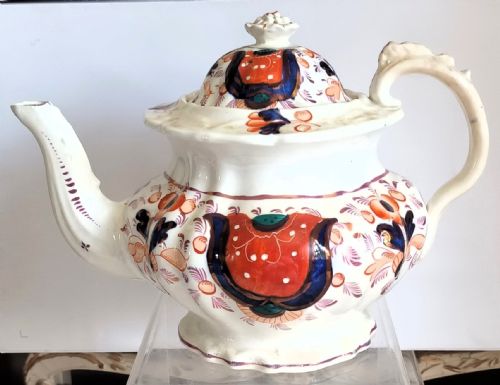
These decorative pottery set examples bring together matched vases, jugs, and figures spanning centuries of ceramic craft.
Decorative Pottery Set
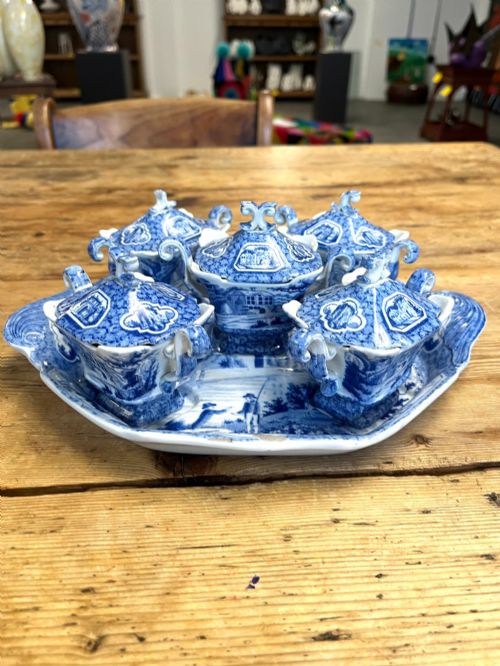
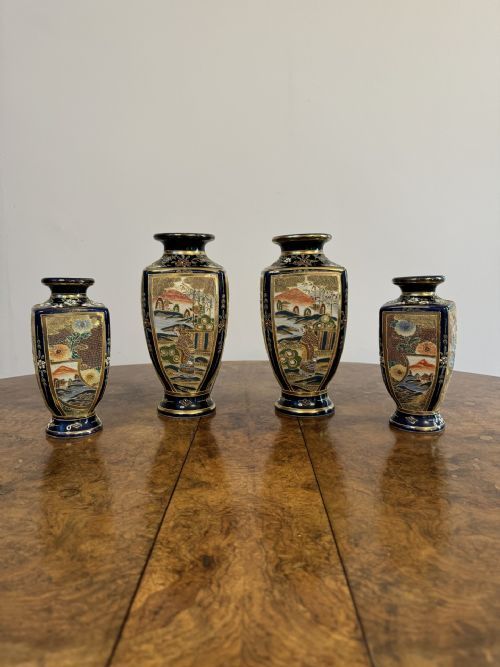
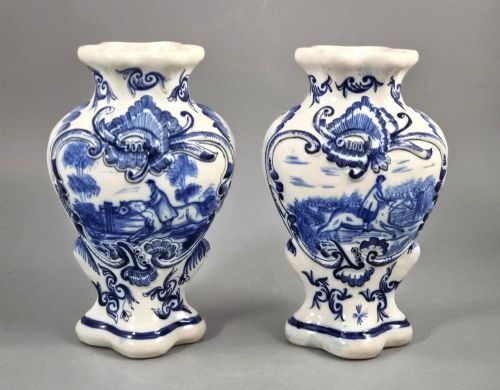
A decorative pottery set typically comprises matched pairs or graduated groupings of vases, jugs, and figures designed for display. These arrangements span periods from the eighteenth century through to the early twentieth century, taking forms such as garnitures, washstand sets, and graduated jug trios.
The materials represented across these groupings include earthenware, ironstone, stoneware, and porcelain, often enriched with enamel or glaze. Stylistic influences range from Victorian and Regency to Japanese Meiji and French Rococo Revival.
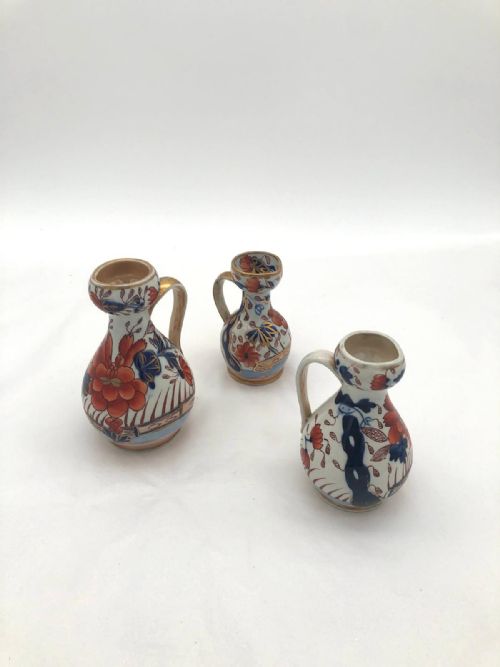
Buyers will most frequently encounter nineteenth-century ironstone jugs and Japanese satsuma or Kutani vases formed into pairs or larger matched groupings. These sets offer a cohesive visual impact derived from their coordinated scale and decorative scheme.
Assessing quality in ceramic groupings
Quality rests upon the crispness of the moulding and the precision of hand-painted detail across every piece in the set. Consistency between individual items in a matched group is vital, as variations in scale or glazing diminish the unity of the arrangement.
The sophistication of the enamel work, the depth of the glaze, and the preservation of any applied gold leaf distinguish finer examples from standard production. Maker attribution, visible in specific ironstone, stoneware, or earthenware signatures, further elevates a set's standing.
Decorative Pottery Set Retail Price Guide 2026
Typical asking prices for decorative pottery set among the pieces listed under this phrase on Sellingantiques today, from the lower quarter to the upper quarter. They describe what is for sale here now, not the wider market.
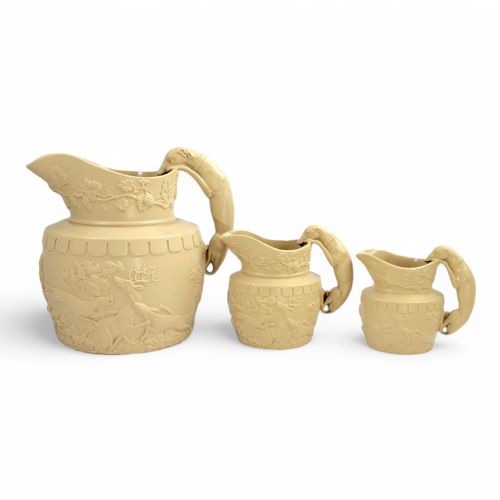
Several antique pitchers feature hound handles, where the ceramic dog grips the rim with its teeth.
Mason's·Fourmaintraux-Courquin·Doulton Lambeth·Kinkozan·Phillips and Bagster
The Decorative Pottery Set Glossary
- Ironstone
- A dense, durable type of earthenware patented in the nineteenth century to imitate Chinese porcelain. It provides a sturdy body well-suited for heavily decorated jugs and tableware.
- Garniture
- A set of matching vases or ornamental vessels designed to be displayed together on a mantelpiece or sideboard. They typically consist of three or five graduated pieces.
- Staffordshire flatback
- A type of ceramic figure produced in the English Midlands, designed with a decorated front and a flat, unglazed back meant to face a wall. These figures often depict historical events, animals, or popular personalities.
- Gilt
- A thin layer of gold applied to the surface of ceramic pieces for ornamentation. This technique highlights rims, handles, and painted motifs.
Decorative Pottery Set: Frequently Asked Questions
What is a ceramic garniture set?
A garniture set consists of multiple matching or graduated vases designed to be arranged together as a decorative centrepiece. These arrangements were popular in the nineteenth century for display on mantelpieces.
They usually comprise three or five pieces sharing identical decorative motifs, glazes, and forms to create visual symmetry in a room.
How do I care for antique pottery sets?
Antique ceramics require gentle handling, keeping them away from direct sunlight and sudden temperature changes that might craze the glaze. Dust them regularly with a soft, dry cloth rather than using harsh cleaning agents.
Washstand sets and decorative jugs should be hand-washed in lukewarm water only if necessary, ensuring no moisture lingers in unglazed areas.
How are graduated jug sets arranged?
Graduated jug sets feature two or more vessels of identical design scaling down in size, allowing them to nest or sit neatly in a row. In nineteenth-century domestic spaces, these served both decorative and functional washing purposes.
When displaying them today, arranging the jugs from largest to smallest highlights the proportional craft of the potter.
What defines a Staffordshire flatback?
Staffordshire flatbacks are earthenware figures moulded with detailed fronts and flat, unpainted rears designed to sit against a wall. This manufacturing method saved materials and kept production costs lower for domestic mantelpiece ornaments.
Collectors prize them for their naive charm and the snapshot they provide of Victorian popular culture.