




Decorative Pottery Jars
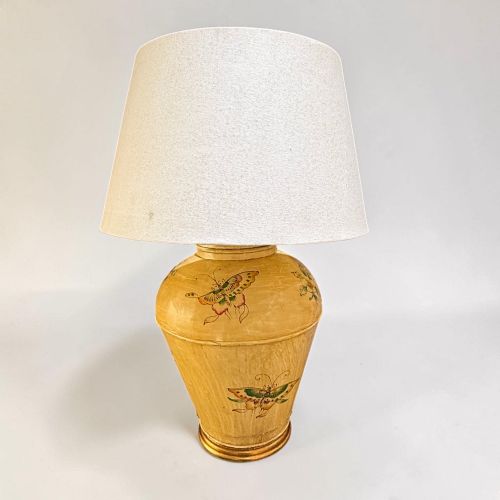
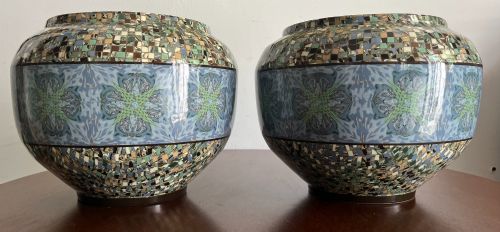
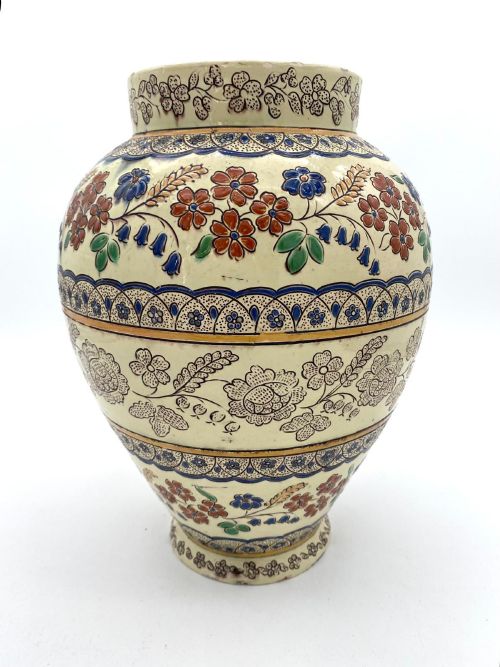
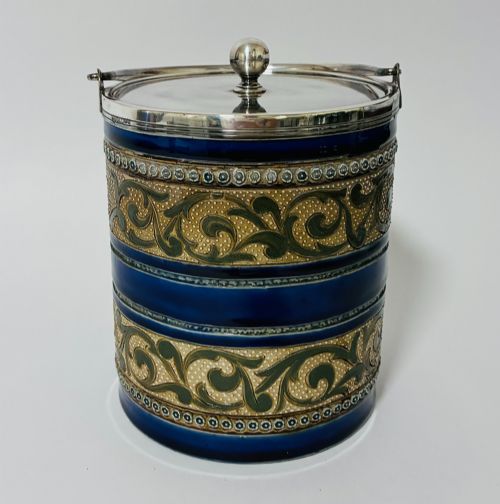
These decorative pottery jars bring colour and texture into a room, spanning periods from the Song Dynasty to the 1930s.
Decorative Pottery Jars
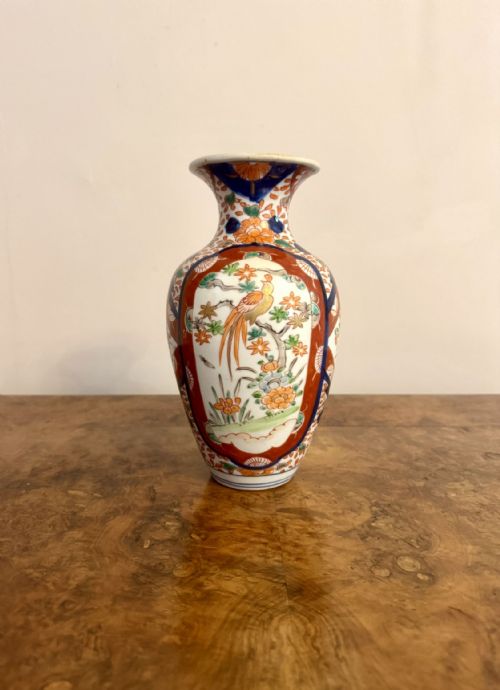
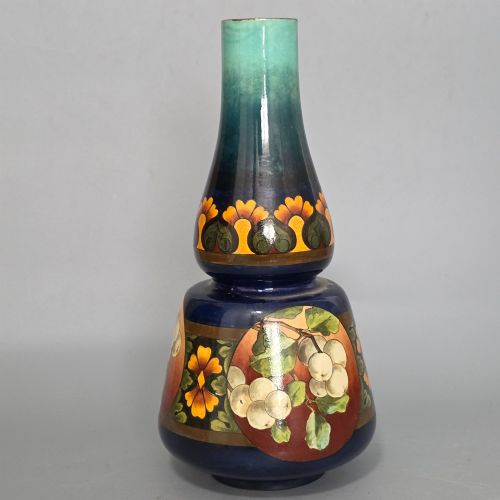
Decorative pottery jars encompass a wide variety of ceramic vessels, lidded containers, and pots designed primarily for display rather than utility. When searching for decorative pottery jars, a buyer encounters everything from nineteenth-century Japanese Satsuma and Imari pieces to twentieth-century English earthenware and continental majolica.
The selection on this page leans heavily toward nineteenth-century works, alongside eighteenth-century famille-rose wares and twentieth-century Art Deco designs. Forms range from lidded ginger jars and biscuit barrels to large baluster vases and garlic-head vessels.
Origins stretch across Europe and Asia, uniting English potteries, Italian maiolica, Moroccan terracotta, and Japanese export ceramics. Each region brings distinct glazing traditions and ornamental motifs to these decorative vessels.
How they were made
Makers shaped these vessels from earthenware, stoneware, terracotta, and porcelain, applying glazes and enamels to seal and colour the body. Many pieces receive hand-painted decoration, sometimes enhanced with gold leaf or silver mounts.
Techniques varied by workshop and period, from the intricate underglaze blue and polychrome enamels of Chinese and Japanese pottery to the rich lead glazes of European majolica and faience. Kiln firing methods determined the depth of the glaze and the permanence of the surface colours.
Decorative Pottery Jars Retail Price Guide 2026
Typical asking prices for decorative pottery jars among the pieces listed under this phrase on Sellingantiques today, from the lower quarter to the upper quarter. They describe what is for sale here now, not the wider market.
Listings feature earthenware, porcelain, and terracotta ceramics decorated with enamels, gold leaf, and cobalt blue glazes.
What varies in quality
Quality rests in the crispness of the hand-painted detail, the control of the glaze during firing, and the balance of the vessel's form. Superior pieces display precise brushwork and well-defined motifs rather than hurried or muddy execution.
The reputation of the maker or pottery influences the standing of a piece, with signed works by known artists or established factories commanding greater attention. Preservation of the original enamel, glaze, and any metal mounts also separates finer examples from standard production.
Alice Euphemia Thatcher·Gallilleo Chini for Mugello·Charlotte Rhead·Albert Carrier
The Decorative Pottery Jars Glossary
- Earthenware
- Porous pottery fired at lower temperatures, requiring a glaze to hold liquids. It forms the body of many nineteenth-century and slip-decorated vessels.
- Famille-rose
- A Chinese palette introduced in the eighteenth century, dominated by opaque pink enamel derived from colloidal gold. It appears frequently on export porcelain and jars.
- Majolica
- Tin-glazed earthenware produced in Italy and later adopted across Europe. The technique allows for vibrant polychrome painting directly onto the opaque white glaze.
- Imari
- Japanese export porcelain decorated in underglaze blue, iron red, and gold. This style gained immense popularity in Europe during the nineteenth century.
- Baluster
- A vase form with a rounded body that tapers toward the base and swells near the lower middle. It is a common silhouette among Chinese and European jars.
- Pot pourri
- A decorative lidded jar designed to hold dried scented plant material. Perforations in the lid allow fragrance to diffuse into a room.
Decorative Pottery Jars: Frequently Asked Questions
How were decorative jars used originally?
These vessels served to store dry goods, display dried botanicals, or simply stand as ornamental objects in domestic interiors.
Many lidded pots and jars held provisions, while larger porcelain and earthenware vases occupied prominent spaces in reception rooms.
How do I clean an antique ceramic jar?
Dust the surface gently with a soft, dry cloth to remove everyday accumulation. Avoid liquid cleaners, abrasive pads, or immersion in water, especially on pieces with enamel, gold leaf, or silver mounts.
Delicate painted surfaces and older glazes can suffer damage from moisture or modern chemical solvents.
How can I tell a nineteenth-century jar from an earlier one?
Examine the base, the consistency of the glaze, and the style of decoration for clues regarding the period of production. Nineteenth-century Japanese and English pieces often display specific factory marks or registration numbers that help narrow down the date.
Earlier pieces, such as those from the Song or Ming dynasties, exhibit distinct potting characteristics, weight, and wear patterns unique to their era.
Where should I place a large decorative jar at home?
Position larger floor vases and heavy lidded jars in secure corners or on sturdy side tables away from heavy household traffic. Ensuring a stable surface protects these ceramic and porcelain pieces from accidental knocks.
Matching pairs look striking when placed symmetrically on mantelpieces or flanking a sideboard.