


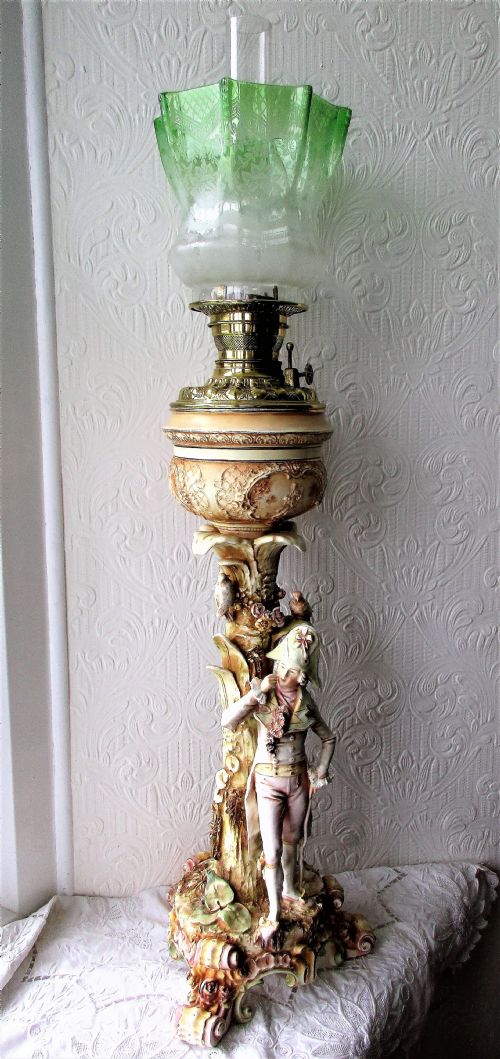


Decorative Porcelain Lamp
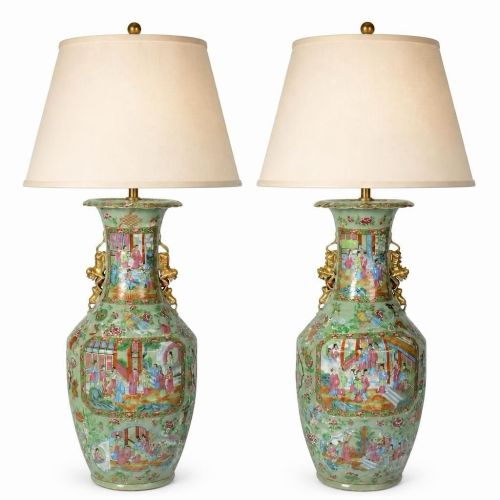
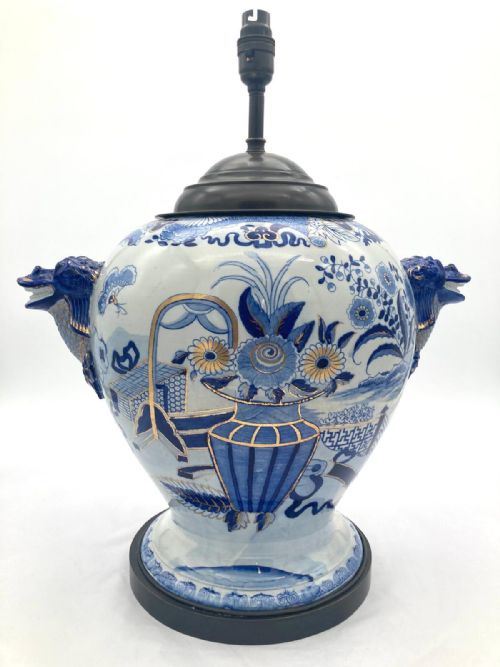
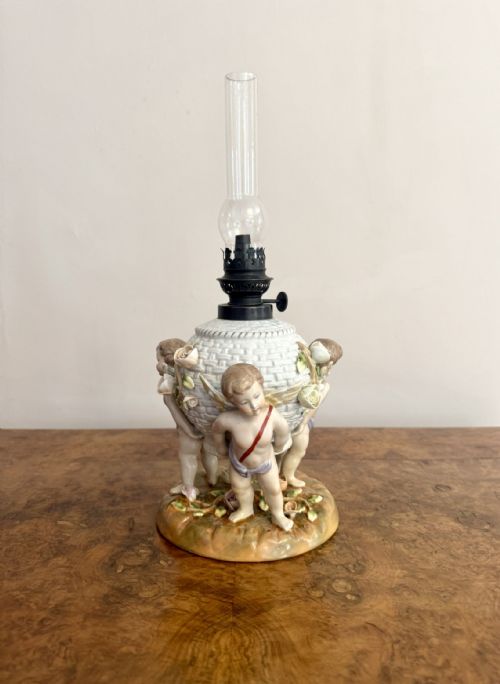
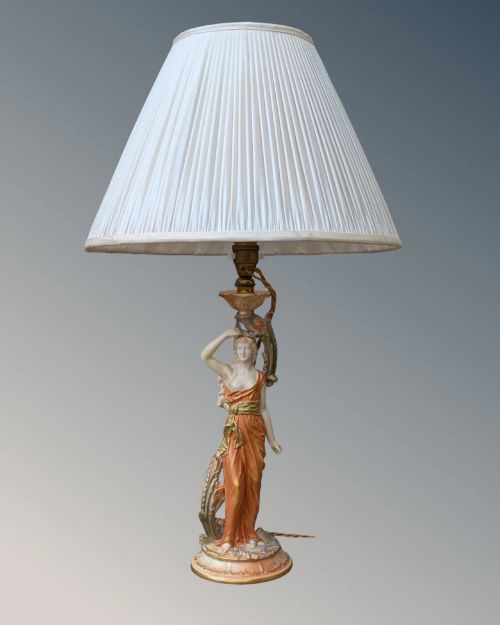
These decorative porcelain lamp examples bring form and illumination together, drawing the eye with painted surfaces and metal mounts.
Decorative Porcelain Lamp
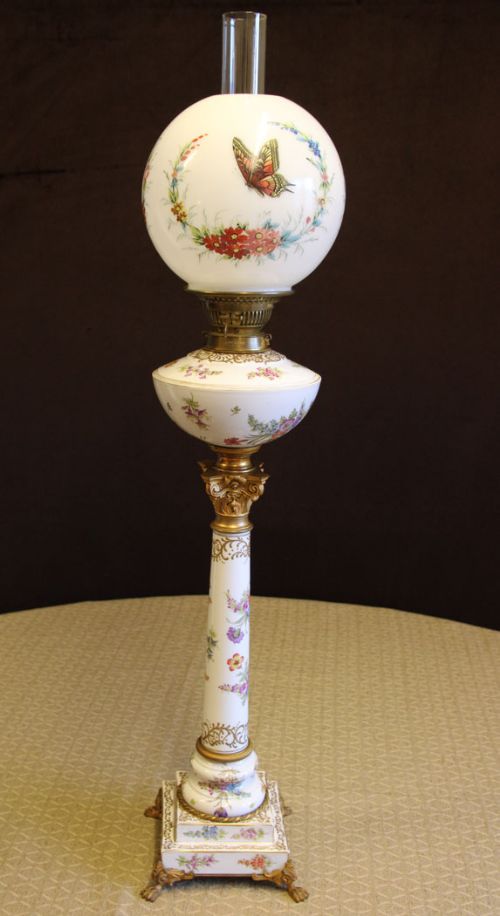
A decorative porcelain lamp combines fired ceramic bodies with fittings for lighting, taking the form of converted vases, oil lamps or dedicated table lamps. These pieces originate from the nineteenth and early twentieth centuries, spanning periods from the Regency era through to the 1930s.
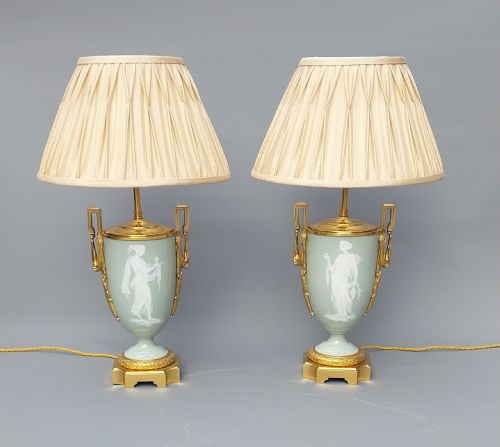
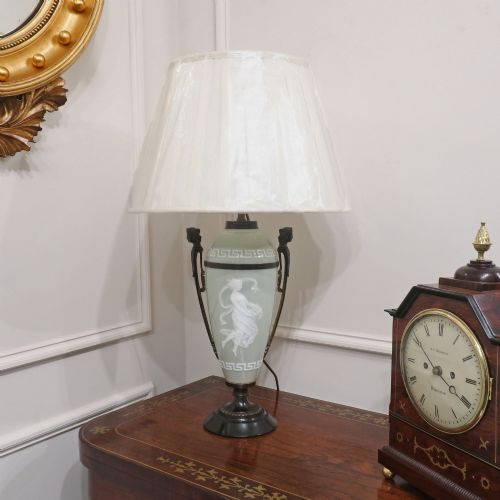
The styles found in this group range from Victorian and French Neoclassical to Japanese Satsuma, Chinoiserie and Chinese export wares like Famille Rose and Rose Medallion. Buyers most frequently encounter pairs and single columns utilising porcelain bodies paired with brass or gilt bronze.
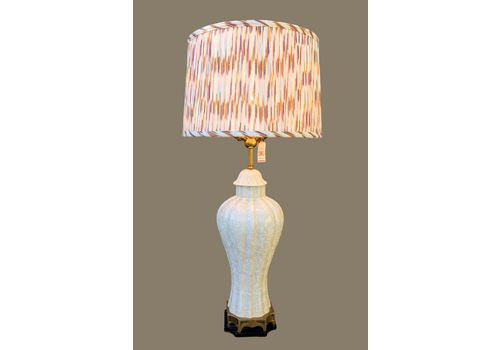
Many examples begin life as vases, oil lamps or jars before later conversion into table lamps with the addition of electrical fittings and fabric shades. This adaptation preserves historical ceramics while serving modern domestic interiors.
Materials and construction
The foundational body consists of hard-paste or soft-paste porcelain, ceramic or ironstone, frequently embellished with hand-painted enamels, gilding, pate-sur-pate or blue and white pigments. Makers shape these clays into vases, columns and figural subjects before firing and glazing.
Metal components such as brass and gilt bronze provide structural mounts, bases, collars and burner assemblies for oil variants. Fabric elements supply the shades that complete the lighting configuration.
Decorative Porcelain Lamp Retail Price Guide 2026
Typical asking prices for decorative porcelain lamp among the pieces listed under this phrase on Sellingantiques today, from the lower quarter to the upper quarter. They describe what is for sale here now, not the wider market.
Listings feature nineteenth-century and early twentieth-century examples, incorporating materials such as porcelain, gilt bronze, brass, fabric and enamel.
Assessing quality in execution
Quality rests upon the crispness of the porcelain body, the precision of hand-painted figural or floral decoration, and the weight of the metal mounts. Finer examples display intricate brushwork, such as detailed Japanese Satsuma or French pate-sur-pate, combined with substantial gilt bronze rather than lighter brass.
The integrity of the conversion also plays a part, distinguishing between pieces that retain their original proportions and mounts and those altered with lesser hardware. Pairs show the highest consistency when both ceramic bodies match precisely in scale, glaze tone and decorative detail.
Hicks and Meigh·Royal Worcester·Sitzendorf
The Decorative Porcelain Lamp Glossary
- Pate-sur-pate
- A ceramic technique where wet porcelain slip is built up in successive layers to create a low relief cameo effect against a contrasting ground. This method demands great skill from the artist.
- Satsuma
- Japanese earthenware or porcelain decorated with fine polychrome enamels and gilding, often depicting figural scenes. These wares were widely exported during the Meiji period.
- Gilt bronze
- Copper alloy treated with a layer of gold to produce a durable, decorative surface finish. It appears frequently on French mounts and fittings.
- Famille rose
- A Chinese ceramic palette dominated by opaque pink enamel, introduced during the Qing dynasty. It allows for subtle shading of floral and figural subjects.
- Ironstone
- A heavy, durable type of British ceramic developed as a robust alternative to porcelain. It takes glazes and enamels readily.
Decorative Porcelain Lamp: Frequently Asked Questions
How are vases converted into lamps?
Vases are adapted for lighting by drilling the base or running a cord through existing apertures to fit internal wiring and lamp holders. Metal collars and bases are often added to secure the electrical components.
This process allows antique ceramic vessels to function safely as modern table lamps while preserving the original decorative body.
How do I care for these lamps?
Dust the porcelain and metal mounts gently with a soft, dry cloth to prevent the accumulation of dirt. Avoid harsh chemical cleaners that can damage delicate gilding and enamelled surfaces.
Check the electrical wiring periodically or have a qualified professional inspect older components to ensure safe domestic use.
What distinguishes French Neoclassical style?
French Neoclassical design draws inspiration from classical antiquity, featuring symmetrical forms, architectural columns and restrained ornamentation. Gilt bronze mounts and biscuit porcelain are common elements in these pieces.
This aesthetic emphasises elegance, balance and refined craftsmanship across nineteenth-century Paris wares and decorative lamps.