






Decorative Plant Tables
Decorative plant tables bring botanical displays indoors upon carved wood, gilt bronze, and fine porcelain.
Decorative Plant Tables
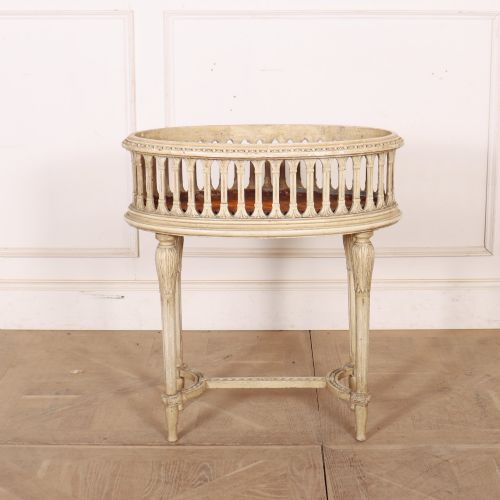
Decorative plant tables encompass jardiniere stands, planter tables, torchueres, and garden seats designed to elevate flora within domestic spaces. You encounter pieces spanning the nineteenth century through the Edwardian era, reflecting diverse European and Asian origins.
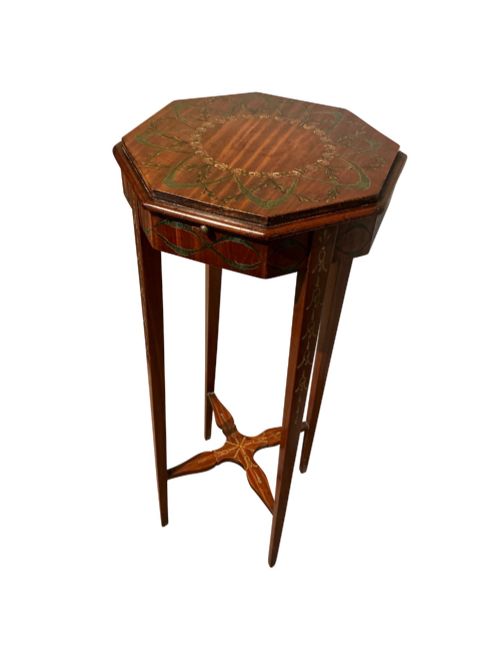
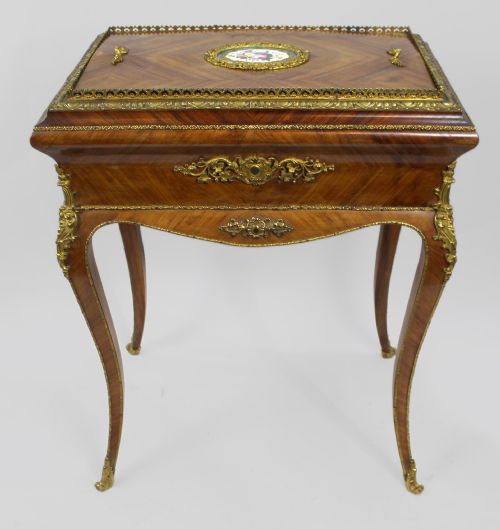
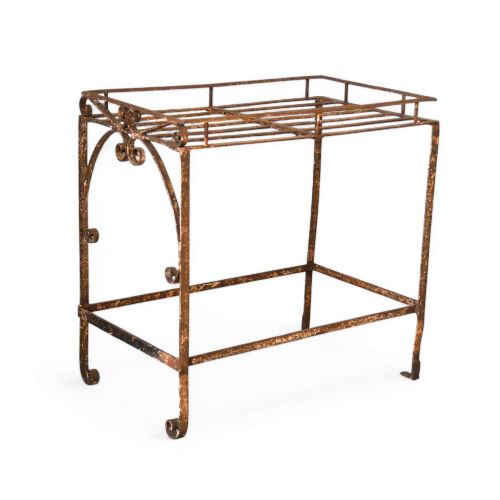
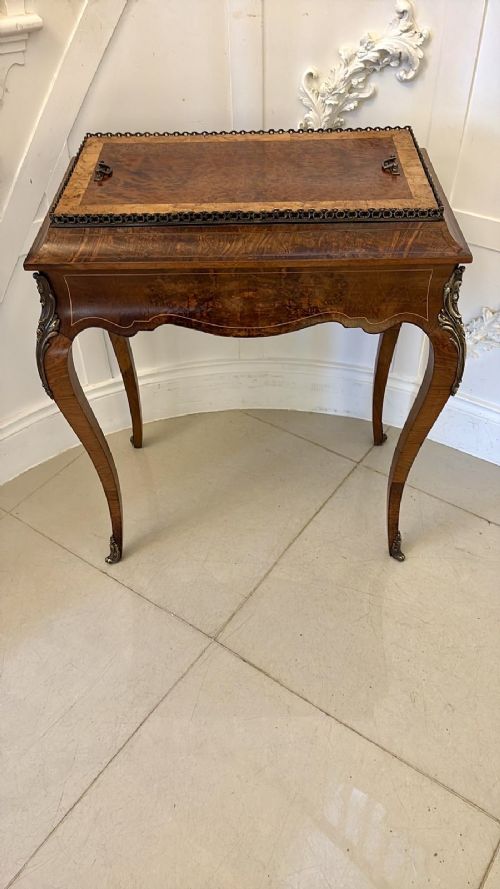
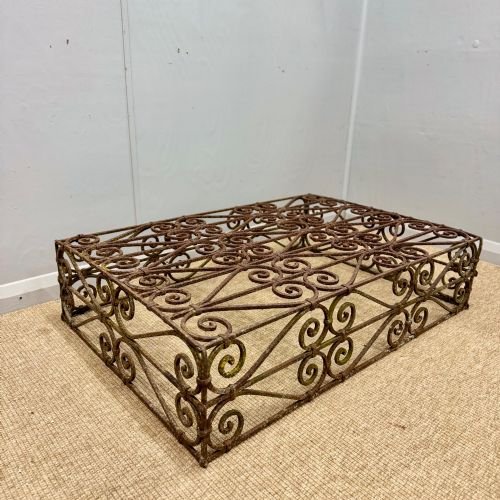
French nineteenth-century examples frequently feature ormolu mounts and inlaid kingwood or walnut, while Edwardian pieces often utilise mahogany and satinwood. Alongside these, you find Italian carved stands, Chinese porcelain garden seats, and wrought iron garden racks.
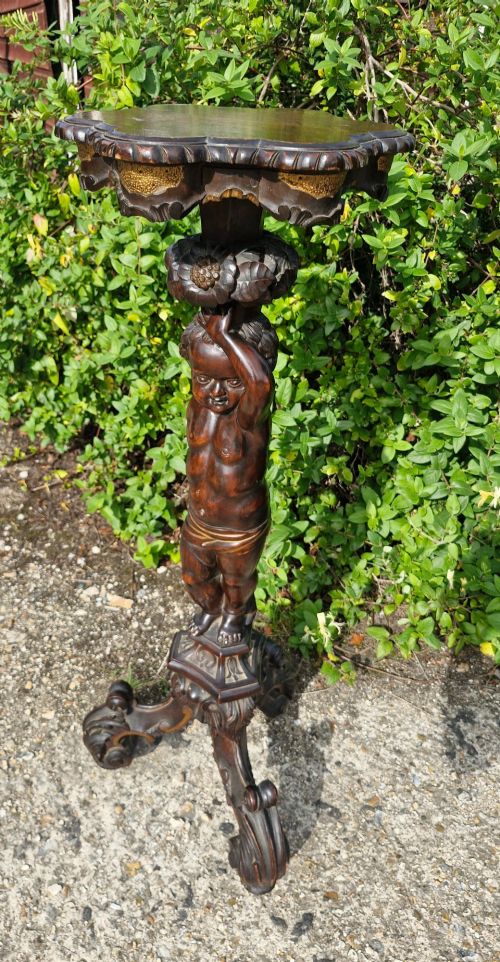
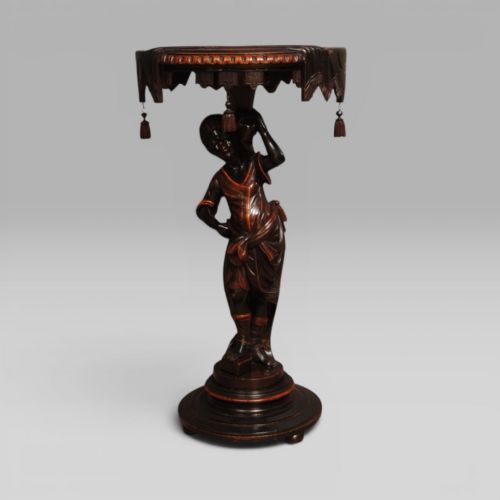
The selection ranges from elaborate Venetian baroque forms to simpler oak barley twist planters and wire work conservatory stands. These items combine practical vessel support with ornamental carving, painting, and metalwork.
Materials and technique
Carpenters and cabinetmakers utilised woods such as walnut, mahogany, kingwood, burr walnut, and satinwood, often incorporating marquetry and intricate carving. Structural elements frequently employ turned columns, brass mounts, and gilt bronze ormulu.
Metalwork forms another core technique, visible in cast and wrought iron garden tables, brass stands, and tôleware planters. Many pieces integrate ceramic components, including Royal Worcester pots, porcelain plaques, and Chinese blue and white porcelain barrel seats.
Decorative Plant Tables Retail Price Guide 2026
Typical asking prices for decorative plant tables among the pieces listed under this phrase on Sellingantiques today, from the lower quarter to the upper quarter. They describe what is for sale here now, not the wider market.
The listings span the nineteenth century through the 1930s, featuring walnut, mahogany, porcelain, ormolu, and wrought iron.
Craftsmanship and materials
Superior examples display crisp, hand-carved detailing and precise joinery, whereas lesser items rely on simpler, machine-cut construction. The quality of materials dictates much of the standing, from solid burr walnut and fine satinwood to basic painted softwoods.
Finishing touches separate standard production from exceptional pieces, particularly the weight and chasing of ormolu mounts, the integrity of porcelain plaques, and the depth of marquetry inlay. Original surfaces and retained gilding command greater regard than later repainting.
Royal Worcester·Liberty and Co
The Decorative Plant Tables Glossary
- Jardiniere
- A decorative pot or stand for holding flowers and plants. They often take the form of footed bowls or dedicated pedestal tables lined with metal inserts.
- Ormolu
- Gilded bronze mounts applied to furniture and decorative objects. This technique was widely utilised by French cabinetmakers during the nineteenth century.
- Torchere
- A tall, slender stand designed to support a lamp, vase, or plant. These pieces usually feature a single central column resting on a stable base.
- Marquetry
- Decorative veneer work arranged in pictorial patterns on wooden furniture surfaces. Craftsmen cut thin slices of various coloured woods to create intricate geometric or floral designs.
Decorative Plant Tables: Frequently Asked Questions
What is a jardiniere table?
A jardiniere table is a specialised piece of furniture featuring a built-in container or well for holding growing plants and flowers. These tables allow greenery to be displayed at standing height within living areas and reception rooms.
Cabinetmakers constructed them in various styles, frequently equipping the plant compartment with a removable metal liner to protect the surrounding wood from water damage.
How do I use a plant stand?
Plant stands elevate potted greenery to create varying heights and focal points within interior spaces. They suit corners, hallways, and conservatories where floor space is limited.
Beyond holding plants, many sturdy examples function effectively as occasional tables for lamps, decorative bowls, or small sculptures.
How do I date a wooden plant table?
Dating relies upon observing construction methods, timber choices, and stylistic cues present in the piece. Nineteenth-century examples often display hand-cut joinery and denser native or exotic hardwoods.
Edwardian and later pieces frequently show lighter satinwood or mahogany veneers alongside machine-assisted manufacturing details that emerged towards the twentieth century.
Are garden seats suitable for indoor use?
Ceramic and wooden garden seats function effectively inside the home as decorative side tables or independent sculptural elements. Glazed porcelain barrels and carved wooden figures add texture and colour to interior rooms.
Their robust construction originally intended for outdoor placement makes them durable enough for high-traffic indoor locations.