



Decorative Pill Box
These decorative pill box examples offer compact historical charm, combining fine metals and enamels to hold small keepsakes on a dressing table.
Decorative Pill Box
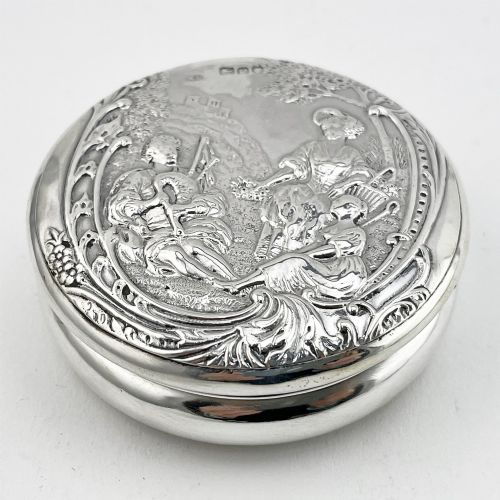
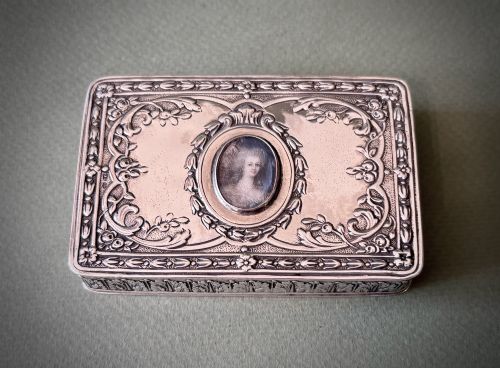
A decorative pill box represents a compact container designed for pocket or table use, spanning Georgian, Victorian, and 19th century periods. Buyers encountering this selection find small receptacles traditionally utilised for snuff, patches, or trinkets rather than modern pharmaceuticals.
The objects appear in diverse forms including snuff boxes, patch boxes, and trinket boxes. Origins range from English workshops in South Staffordshire and Bilston to French, Continental, Chinese Beijing, and Russian makers.
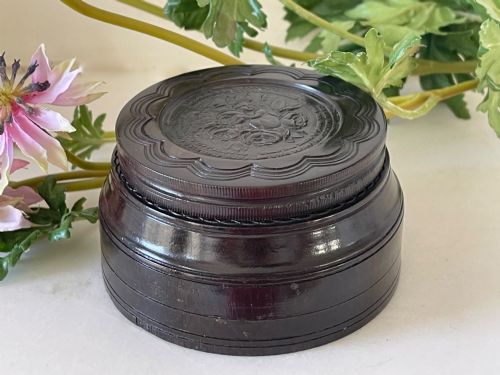
Materials vary from solid gold and sterling silver to copper, porcelain, brass, gilt metal, and pressed horn. Styles stretch from Rococo Revival and French Provincial to Qing Dynasty and Anglo-Indian designs.
How they were made
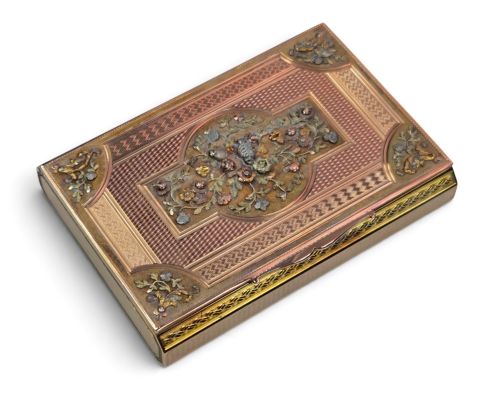
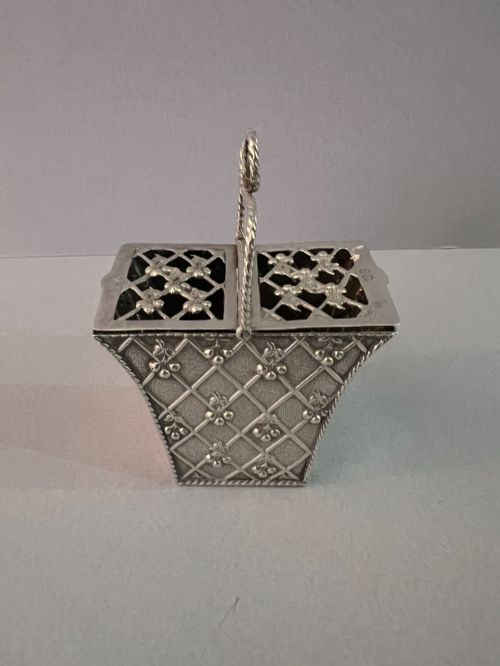
Silversmiths and goldsmiths shaped precious metals using techniques such as engine turning, chasing, and gilding to create textured exterior surfaces. Solid gold, sterling silver, and 950 silver provide the structural foundation for many containers.
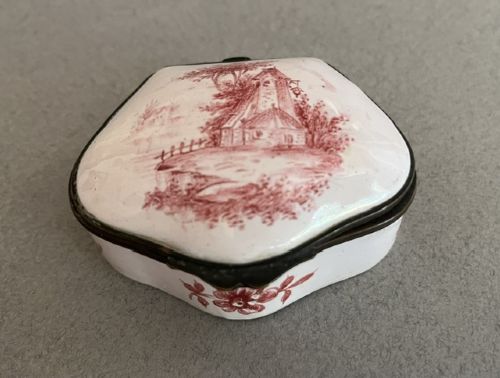
Enamellers applied opaque and translucent glass pastes onto copper or metal bases, firing them in kilns to produce smooth, colourful scenes. Bilston and South Staffordshire pieces often rely on this technique, alongside Chinese Beijing enamel and Russian shaded enamel work.
Decorative Pill Box Retail Price Guide 2026
Typical asking prices for decorative pill box among the pieces listed under this phrase on Sellingantiques today, from the lower quarter to the upper quarter. They describe what is for sale here now, not the wider market.
Some boxes include hidden mirrors inside their lids, originally meant for checking cosmetic patches during carriage rides.
What varies in quality
The refinement of the surface decoration separates standard containers from superior examples, particularly in hand-painted enamel scenes and chased metal motifs. Skilled execution of engine turning and the depth of gilding indicate higher workshop standards.
The inclusion of named makers, such as Louis-François Tronquoy or Khlebnikov, and documented geographic origins distinguish exceptional items from unmarked provincial wares. Material weight and the precision of the hinge and closure mechanism further define the manufacturing standard.
Louis François Tronquoy·Khlebnikov
The Decorative Pill Box Glossary
- Snuff box
- A small container used for holding finely ground tobacco inhaled through the nose. These items often feature hinged lids and elaborate interior and exterior decoration.
- Patch box
- A small receptacle designed to hold cosmetic fabric patches popular in the eighteenth century. They frequently include an interior mirror fitted inside the lid.
- Bilston enamel
- Enamelwork produced in the Staffordshire town of Bilston during the eighteenth century. These pieces typically combine painted copper bodies with hinged brass mounts.
- Engine turning
- A mechanical decoration technique that cuts precise geometric patterns into metal surfaces. This method creates repetitive lines and textures using a specialised lathe.
- Silver gilt
- Silver objects coated with a thin layer of gold applied through chemical or fire gilding methods. This finish provides the visual warmth of gold while utilising silver underneath.
Decorative Pill Box: Frequently Asked Questions
What were decorative pill boxes used for originally?
These small containers historically held substances like dry snuff or cosmetic patches used by fashionable society.
Over time, owners adapted them to store other personal items such as tiny trinkets, tokens, or medicinal pills.
How do I tell an 18th-century enamel box apart from a 19th-century one?
Eighteenth-century examples often feature copper bodies with opaque white enamel coatings and hand-painted pastoral scenes typical of Bilston or Staffordshire production.
Nineteenth-century pieces frequently display brighter chemical colours, machine-assisted metalwork, or distinct Continental silver hallmarks.
How should I clean silver and enamel boxes?
Silver surfaces require gentle wiping with a soft, non-abrasive cloth to remove tarnish without disturbing the underlying metal texture.
Enamel sections must avoid harsh chemical dips entirely, as liquids can seep into hairline fractures and damage the painted surface.
Where were most antique enamel boxes manufactured?
English production centred around Staffordshire workshops in towns like Bilston, known for specialised copper and enamel fabrication.
Continental European makers in France and Russia also produced significant quantities using porcelain and shaded enamel techniques.