

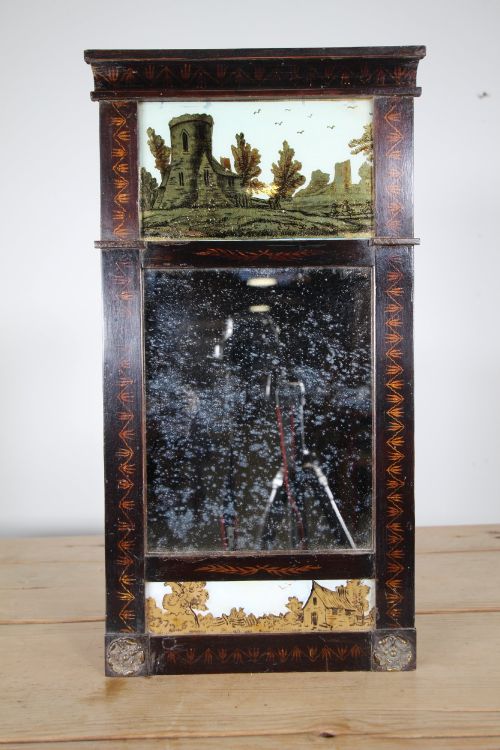
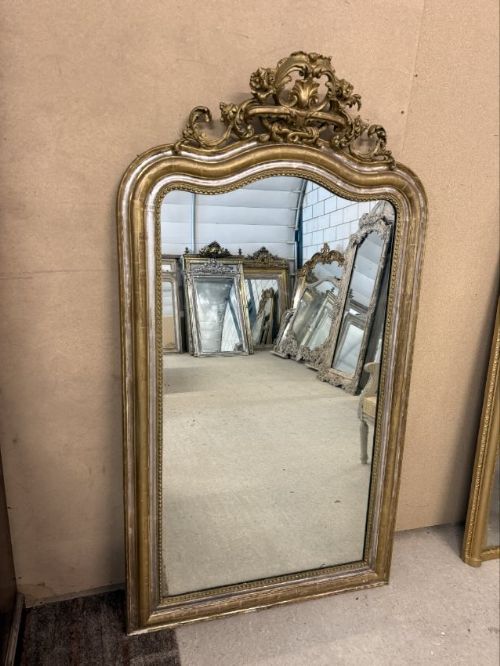
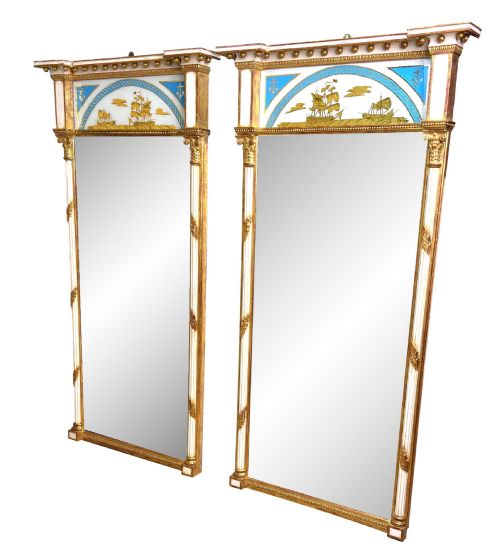
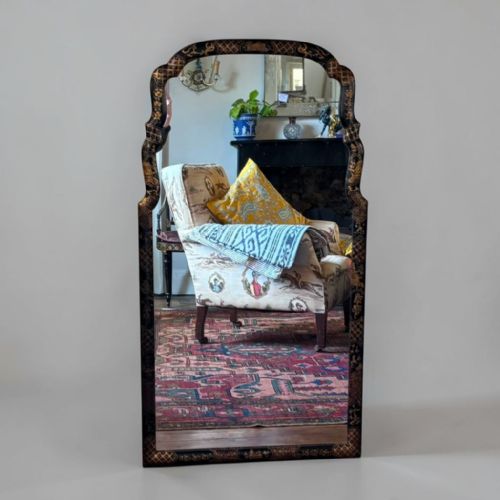
Decorative Pier Mirror
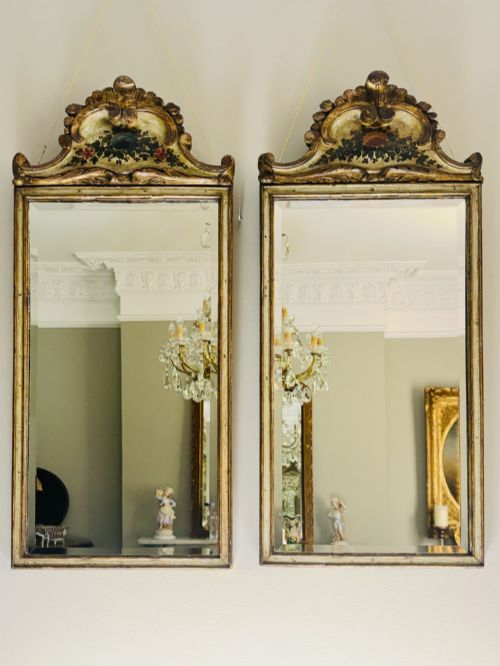
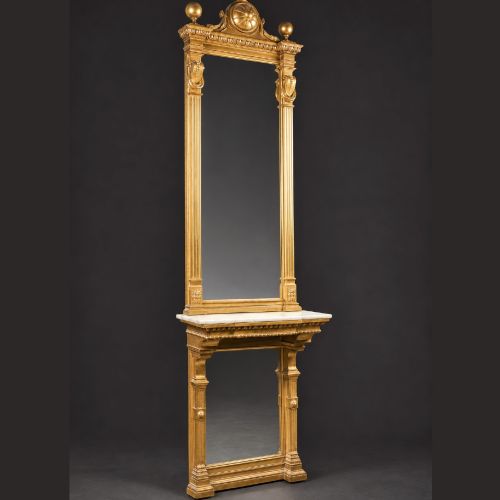
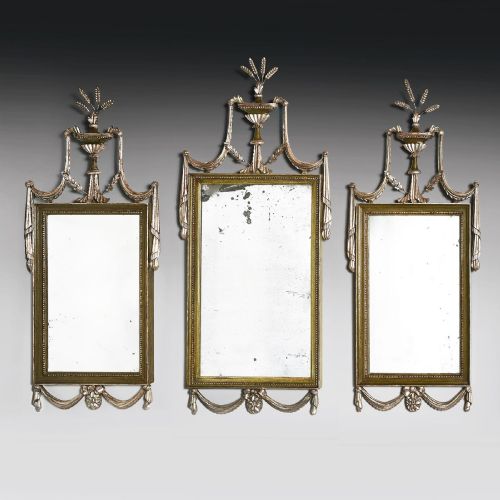
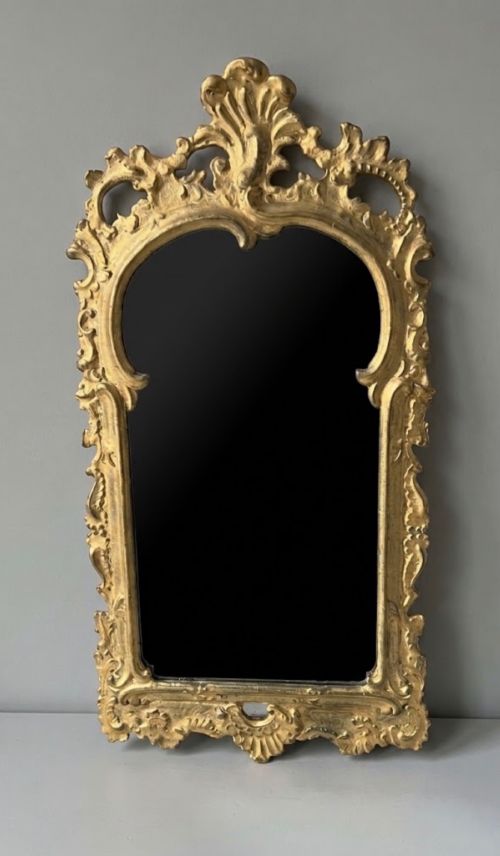
These decorative pier mirror examples span eighteenth-century craftsmanship to the early twentieth century, offering grand wall presence and reflective light.
Decorative Pier Mirror
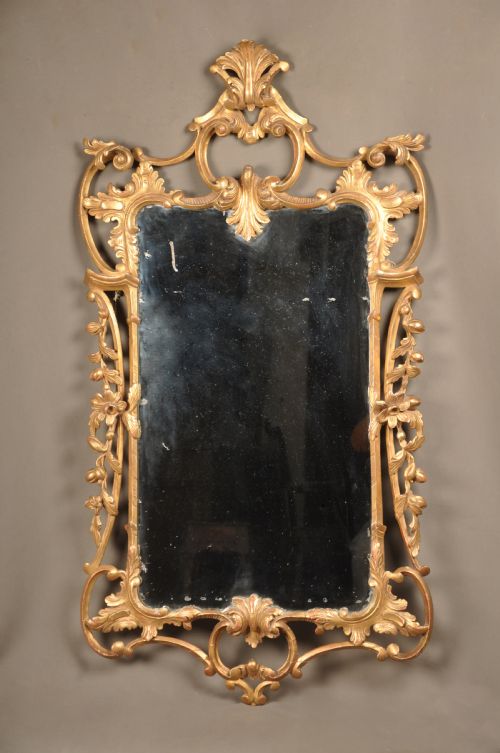
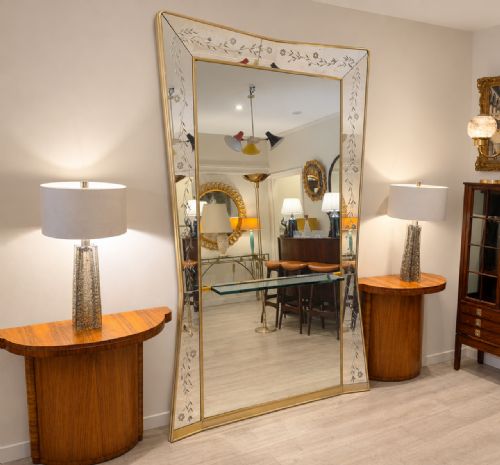
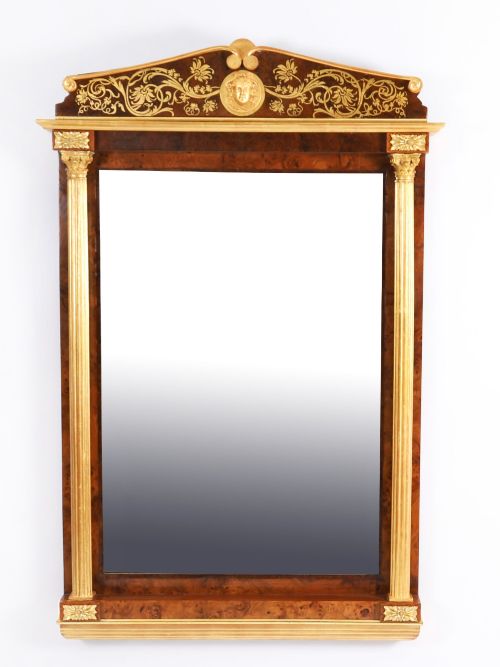
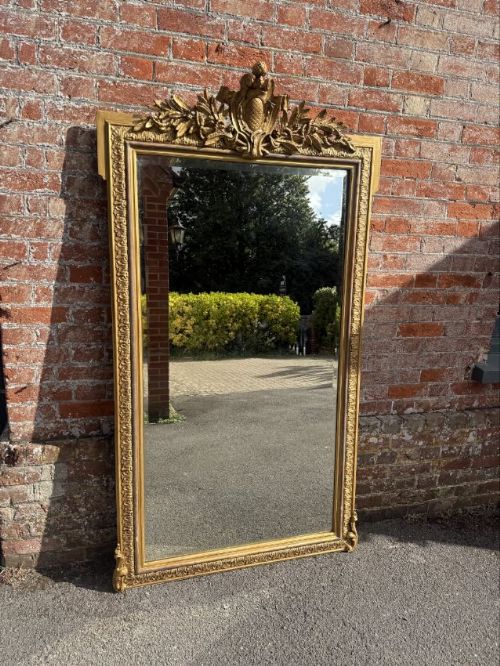
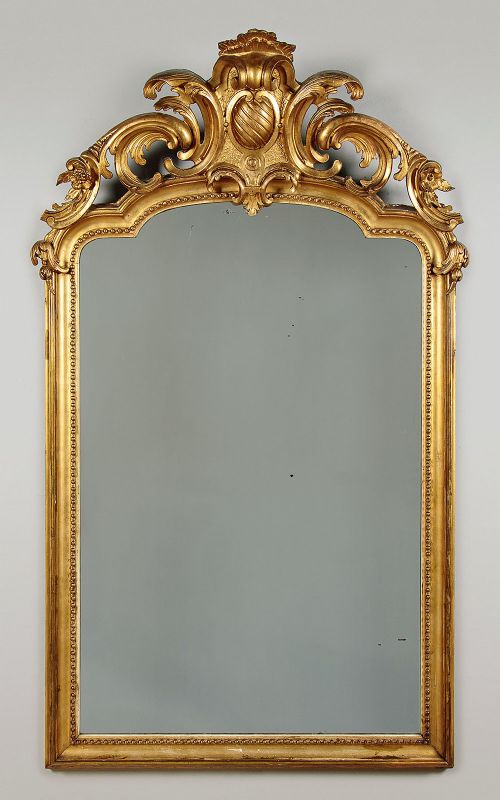
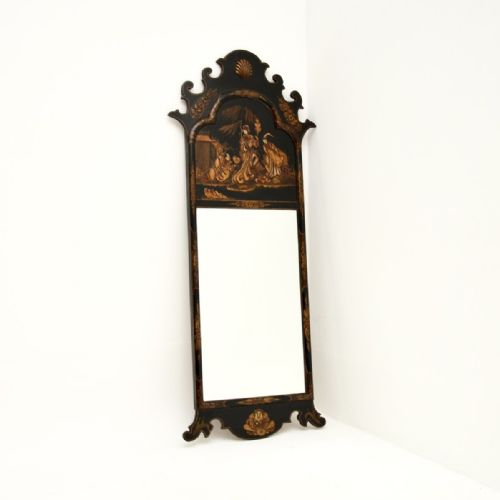
A decorative pier mirror sits between windows on a wall pier, bringing light and symmetry into a reception room or hallway. The pieces gathered here range from eighteenth-century George II and Chippendale designs to nineteenth-century French, Italian, and English forms.
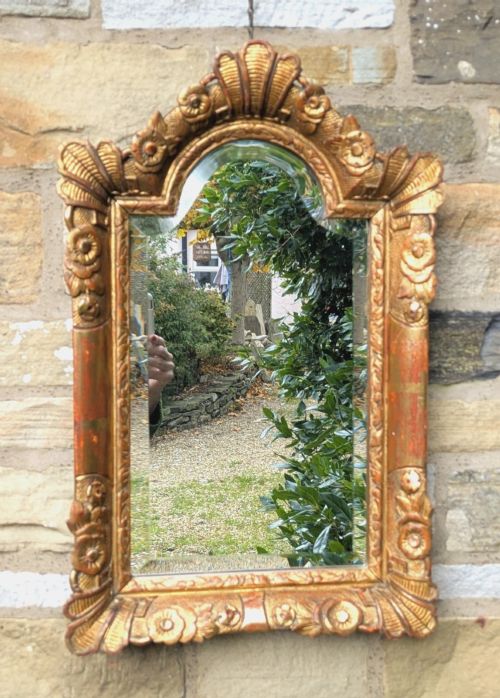
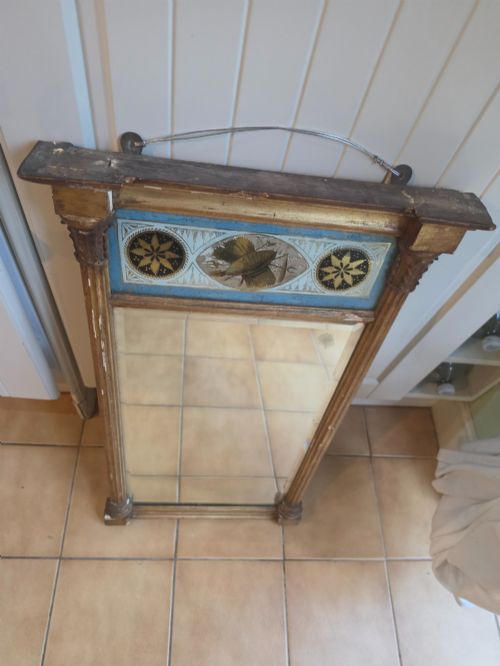
Most examples originate in the nineteenth century, encompassing Regency, Victorian, and Empire styles alongside revival periods. Buyers frequently encounter giltwood and carved gesso frames shaped to hang between architectural openings or above matching consoles.
How They Were Made
Craftsmen shaped these frames from wood, applying layers of gesso to carve intricate details before finishing the surface with gold leaf, paint, or parcel-gilt. Carved wood and giltwood dominate the construction, providing the structural foundation for ornate Rococo, Neoclassical, and Baroque ornamentation.
Mirror glass panels are fitted into these decorative surrounds, sometimes featuring etched designs or distinct bevelling. Many frames utilise traditional joinery methods paired with applied moulded ornamentation to achieve deep relief and architectural presence.
Decorative Pier Mirror Retail Price Guide 2026
Typical asking prices for decorative pier mirror among the pieces listed under this phrase on Sellingantiques today, from the lower quarter to the upper quarter. They describe what is for sale here now, not the wider market.
What Varies in Quality
The depth and crispness of the hand-carved detail separate standard production from superior work. Relief work in gesso and carved wood shows varying degrees of sharpness, with finer examples retaining clean definition in scrollwork, foliage, and crestings.
The integrity of the original gilding and surface finish dictates the character of the piece. Retaining untouched gold leaf, original paint, or authentic patination on the wood elevates the historical value against later or heavy-handed overpainting.
Gillows Of Lancaster
The Decorative Pier Mirror Glossary
- Pier glass
- A tall mirror specifically designed to hang on the wall space between two windows. It often pairs with a matching pier table or console beneath it.
- Gesso
- A plaster-like mixture applied to wood frames and carved or moulded into intricate decorative motifs before gilding. This technique allows for sharp, durable relief ornamentation.
- Giltwood
- Timber, frequently pine or gesso-coated wood, covered with thin sheets of gold leaf. It defines the opulent finish seen across many eighteenth and nineteenth-century frames.
- Trumeau
- A decorative wall mirror incorporating a painted panel or oil painting above the glass plate. This French interior feature often matches wall panelling.
- Parcel-gilt
- A decorative treatment where parts of a wooden or painted object are highlighted with gold leaf while other areas show the exposed wood or base paint colour.
Decorative Pier Mirror: Frequently Asked Questions
Where should a pier mirror hang?
These mirrors were historically placed on the narrow wall space between two windows to reflect natural daylight back into the room.
Today, they function effectively above mantelpieces, in grand hallways, or as central accent pieces on large blank walls.
How do I identify a Regency mirror?
Regency frames often incorporate neoclassical motifs, convex plates, ebonised details, and architectural framing influences from the early nineteenth century.
Look for classical restraint balanced with bold decorative elements such as rope twists, balls, and pilasters.
What is a trumeau mirror?
A trumeau is a distinct style featuring a mirror glass paired with an integrated painted panel or decorative artwork positioned above it.
Originating largely from French interior design traditions, these pieces served as architectural wall decorations rather than simple looking-glasses.
Are eighteenth-century mirrors different?
Eighteenth-century examples showcase period-specific carving techniques associated with George II, Chippendale, and Rococo aesthetics.
They display hand-carved wooden frames, early glass manufacturing traits, and distinct proportional balance characteristic of the Georgian era.