



Decorative Picture Easel
These decorative picture easel examples offer a refined way to display treasured portraits across Victorian, Edwardian, and nineteenth-century interiors.
Decorative Picture Easel
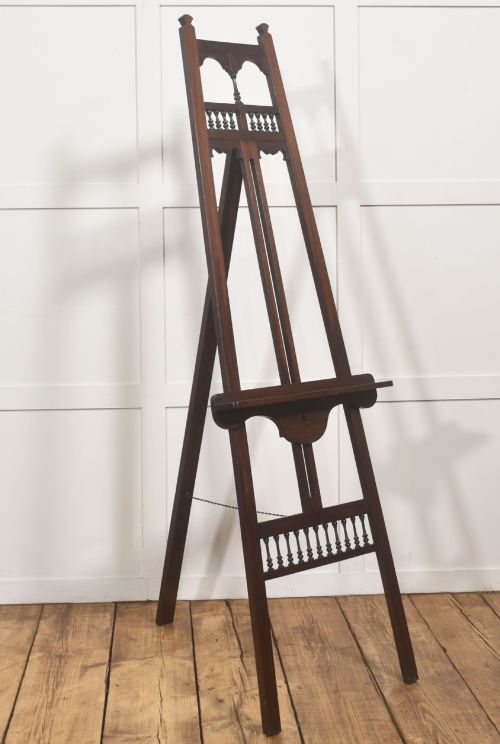
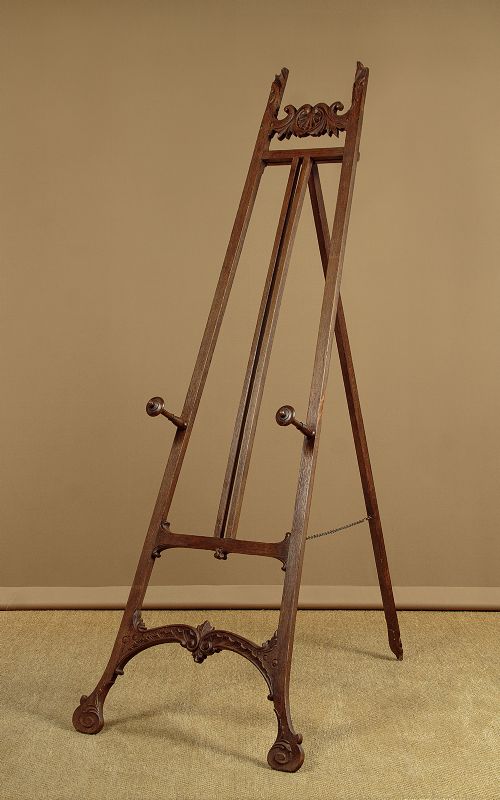
A decorative picture easel supports photographs and portraits upon desks, mantels, and side tables with distinct architectural presence. When searching for a decorative picture easel, buyers encounter freestanding display stands alongside combined frames featuring hinged backing supports.
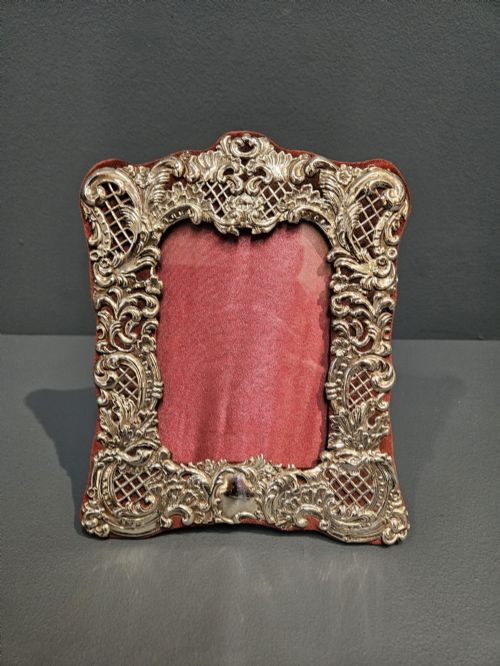
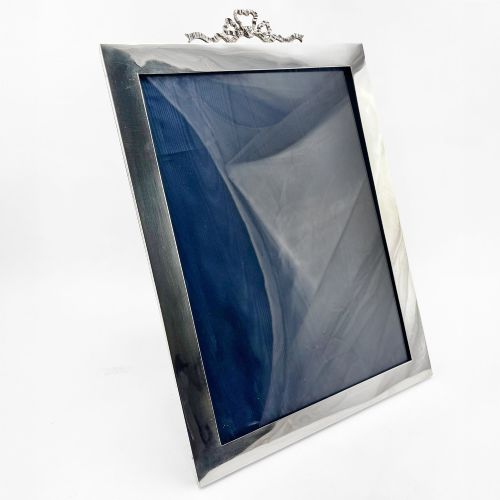
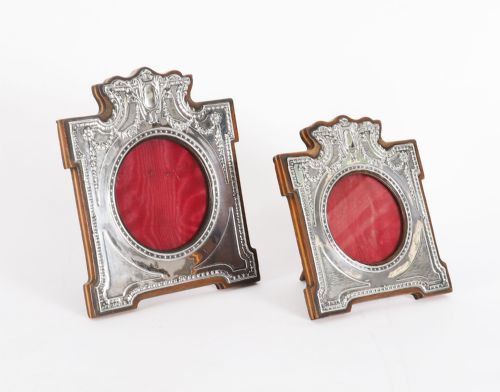
The selections span distinct historical eras, ranging from Victorian Gothic Revival specimens to delicate Edwardian sterling silver mountings. Walnut, carved oak, and ebony-veneered woods appear alongside French ormolu, gilded bronze, and mounted paste stones.
Many surviving examples function primarily to exhibit framed photographic plates and miniature canvases rather than supporting artists during active painting. These pieces bring domestic elegance into sitting rooms, utilising velvet backing panels and ivory inlay details.
Materials and construction methods
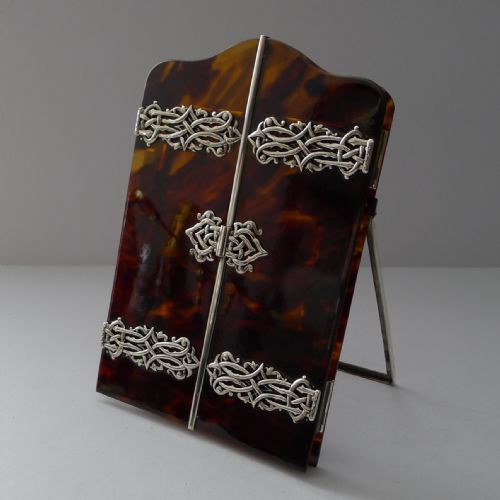
Cabinetmakers utilised dense timbers such as walnut, oak, and ebony, frequently enhancing surfaces with intricate carving, ivory inlay, or tortoiseshell mounting. Metalwork components involved cast ormolu, gilded bronze, and sterling silver applied to structural frames and easel legs.
Backing structures relied upon supportive folding struts, often lined with tactile fabrics like blue velvet or silk to secure the photographic plate safely. Glazed viewing windows protected delicate paper and card photographs from dust and environmental wear.
Decorative Picture Easel Retail Price Guide 2026
Typical asking prices for decorative picture easel among the pieces listed under this phrase on Sellingantiques today, from the lower quarter to the upper quarter. They describe what is for sale here now, not the wider market.
Some nineteenth-century display easels incorporate whimsical swan designs to hold up family portraits.
Assessing craftsmanship and finish
The distinction between standard commercial output and superior craftsmanship lies in the depth of hand-carved ornamentation and the weight of metal castings. Finely executed pieces display crisp detailing in ormolu mounts, secure hinge mechanisms, and precisely fitted precious metal overlays.
Material selection dictates overall durability and visual impact, where solid walnut or heavy sterling silver naturally surpasses simpler veneered alternatives. The integration of decorative elements, such as mounted agate stones or intricate paste work, elevates standard frames into ornamental display centerpieces.
Mappin Bros
The Decorative Picture Easel Glossary
- Ormolu
- Gilt bronze ornamentation applied to furniture, frames, and decorative metalwork during the eighteenth and nineteenth centuries. This technique involved coating a bronze base with a finely ground mercury and gold amalgam before heating.
- Sterling silver
- An alloy consisting of ninety-two point five percent silver and seven point five percent other metals, typically copper, chosen for durability. This standard material dominates late nineteenth and early twentieth-century photographic frames.
- Gothic Revival
- An architectural and decorative style drawing inspiration from medieval forms, prevalent throughout Victorian design. Pieces feature pointed arches, trefoils, and heavy carved wooden tracery.
- Art Nouveau
- An international style prominent around nineteen hundred characterised by organic, flowing lines and natural motifs. Objects from this movement often incorporate sinuous plant tendrils and stylized floral elements.
- Gallery easel
- A small display stand traditionally utilised within exhibition spaces or private homes to showcase cabinet paintings. These structures prioritise decorative presence and adjustable display angles.
Decorative Picture Easel: Frequently Asked Questions
What is a decorative picture easel used for?
These stands and frames serve to display portrait photographs, miniatures, and small paintings upon desks or mantels rather than functioning as working studio furniture. They elevate ordinary photographs into prominent decorative ornaments within domestic reception rooms.
Collectors often select them to complement period interiors or to create curated tabletop displays utilising contrasting materials such as silver, wood, and gilded bronze.
How do I date an antique easel frame?
Dating relies heavily upon stylistic indicators, hallmarking on silver components, and the structural materials employed in construction. Victorian examples frequently display heavier Gothic or revivalist motifs, whilst Edwardian pieces lean toward lighter sterling silver mountings and refined proportions.
Backing materials, hinge designs, and glass bevelling also provide reliable clues regarding the exact decade of manufacture.
Are these pieces made of solid silver?
Many frames feature heavy sterling silver mounts enclosing wooden or velvet-backed structures rather than being constructed entirely from solid metal. Makers stamped hallmarks onto the silver portions to indicate the metal purity and the assay office responsible for testing.
Timber examples utilise solid walnut or oak frameworks, sometimes enhanced with decorative veneers and contrasting inlay work.
How should I clean my antique metal easel?
Maintenance requires gentle dusting with a soft cloth to prevent accumulation within carved crevices and decorative ormolu mounts. Avoid aggressive silver polishes that might wear away thin plating or damage delicate backing fabrics like silk and velvet.
Preserving the original patina ensures the object retains its historical character and long-term visual depth.