

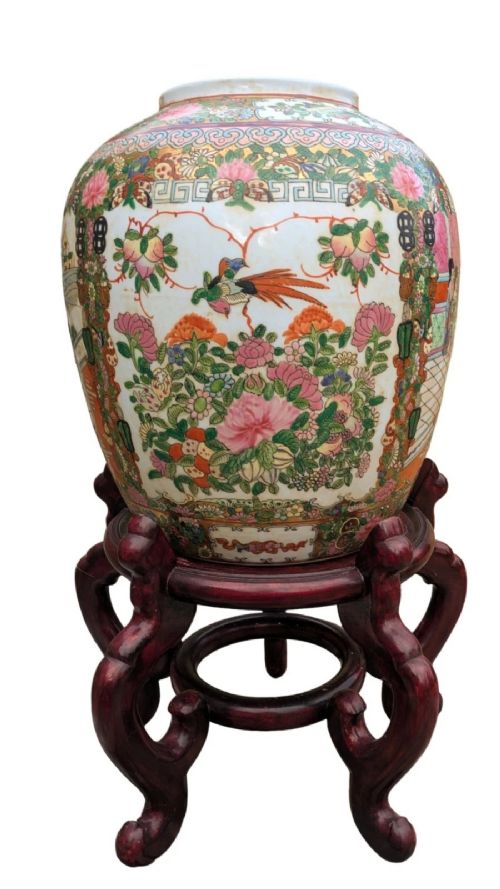
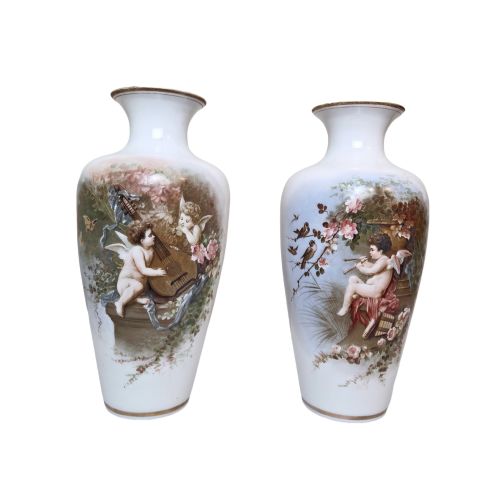
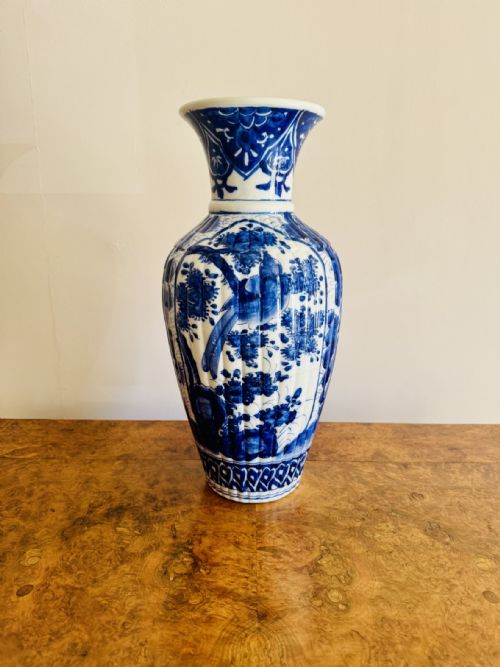
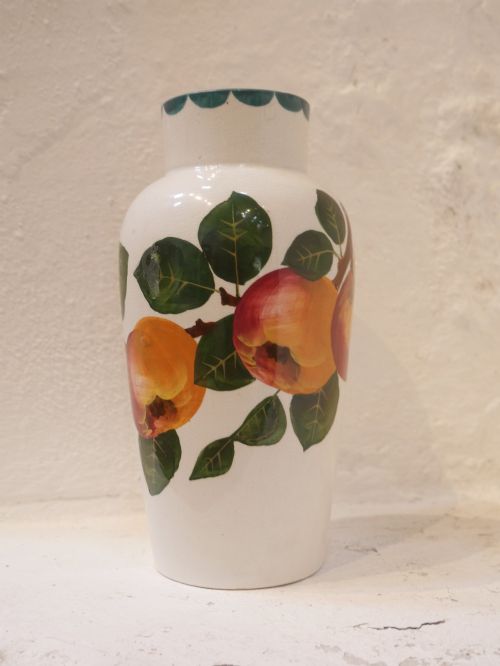
Decorative Painted Vessels
Decorative painted vessels bring colour and narrative to a room through centuries of ceramic, glass, and enamel craftsmanship.
Decorative Painted Vessels
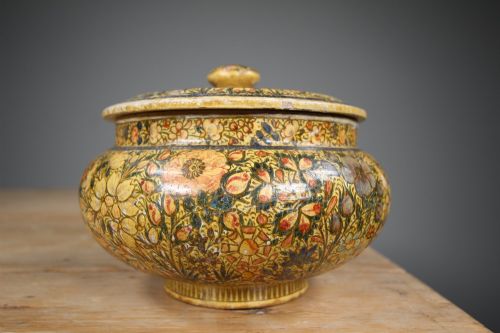
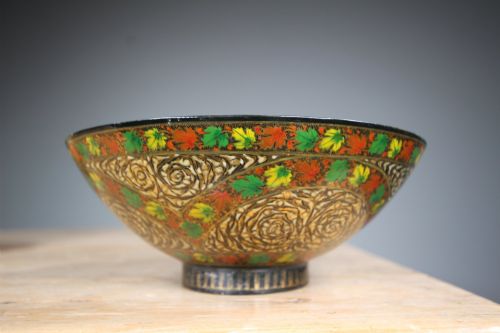
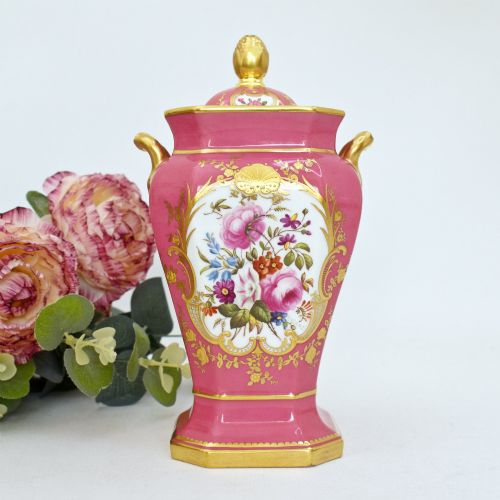
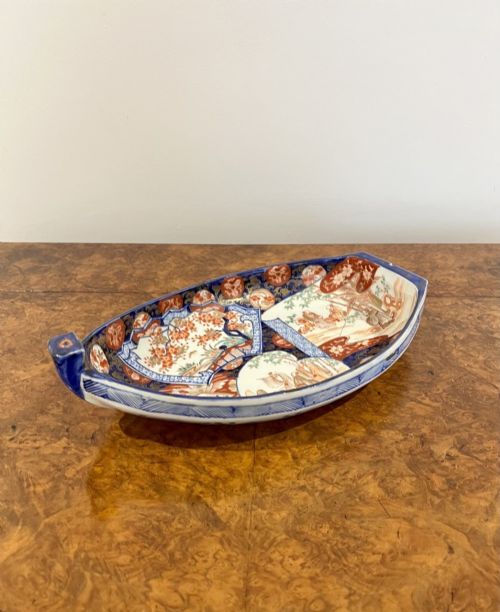
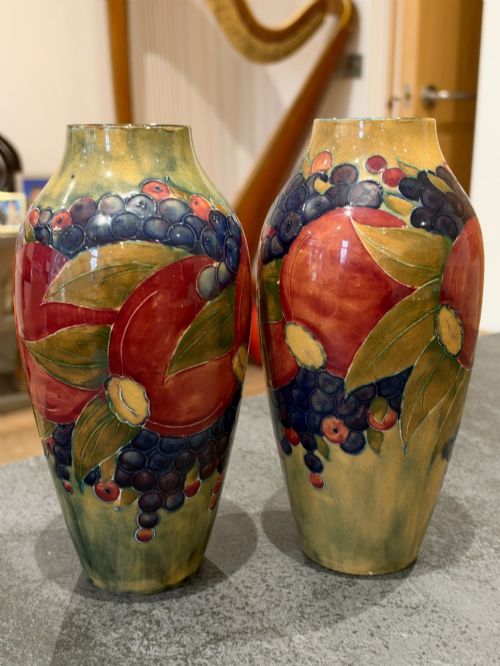
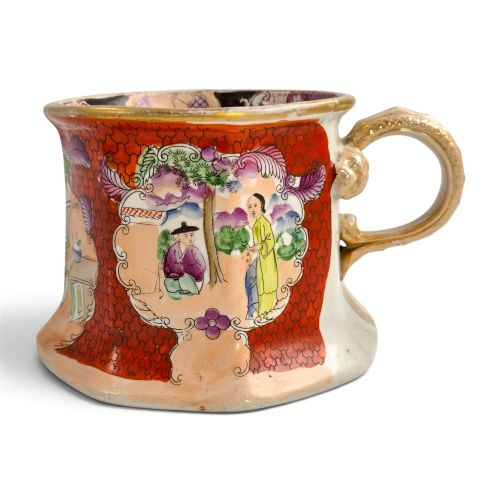
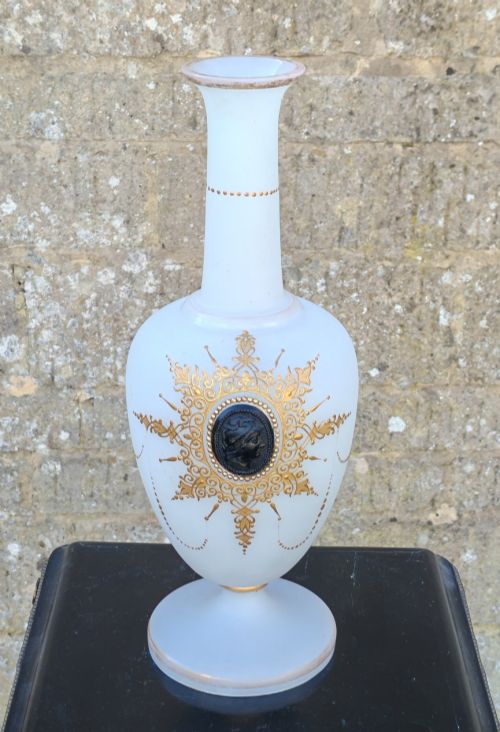
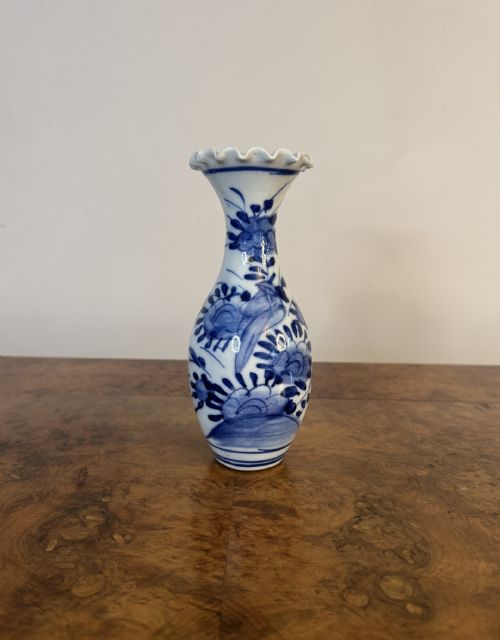
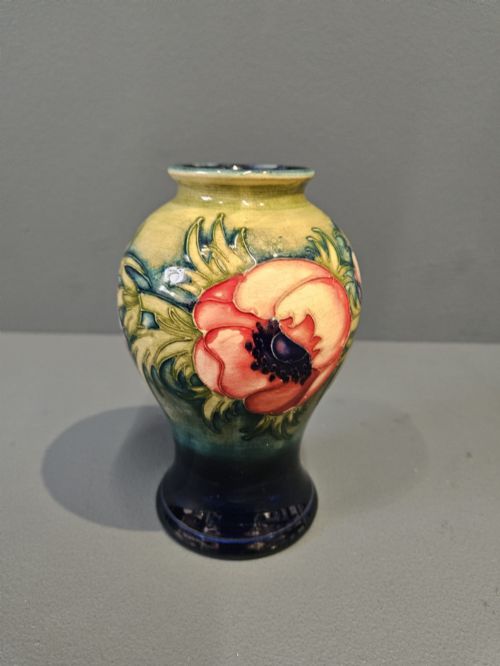
Decorative painted vessels encompass items such as vases, bowls, urns, flasks, and teapots created across various historical periods. When searching for decorative painted vessels, buyers encounter everything from Georgian porcelain and Victorian earthenware to Meiji period ceramics and Art Deco pottery.
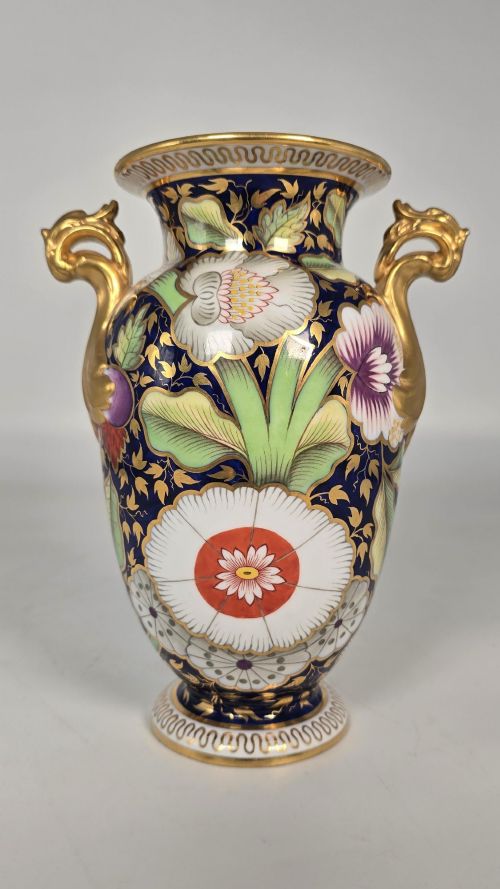
The selections span international traditions, incorporating Chinese Canton and famille rose pieces alongside European porcelain from factories like Worcester, Chelsea, and Coalport. Forms range from monumental urns and moon flasks to delicate miniature vases and bowls with hand-painted scenes.
Materials and techniques
The creation of these pieces relies heavily on ceramic bases such as porcelain, earthenware, and faience, alongside glass and copper substrates. Makers applied glazes and pigments directly onto the surface before firing.
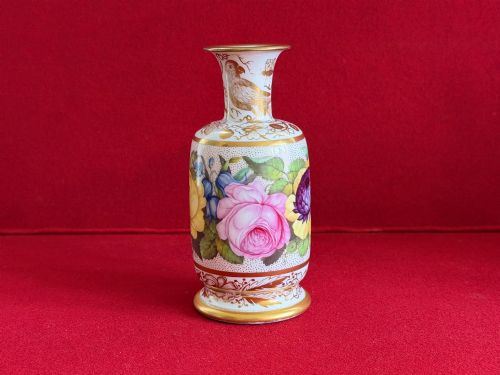
Detailing often involved hand-painted enamels combined with gold leaf or gilding to highlight specific motifs like figures, botanicals, and narrative scenes.
Decorative Painted Vessels Retail Price Guide 2026
Typical asking prices for decorative painted vessels among the pieces listed under this phrase on Sellingantiques today, from the lower quarter to the upper quarter. They describe what is for sale here now, not the wider market.
Listings feature vessels spanning the 18th century, Regency period, Victorian era, and Art Deco movement, utilising porcelain, earthenware, enamel, and gold leaf.
Evaluating craftsmanship
Quality rests in the precision and complexity of the hand-painted decoration, where controlled brushwork and fine detail elevate an object. The integration of gilding and the clarity of the enamel pigments distinguish standard production items from distinguished studio or factory pieces.
Spode·Flight, Barr and Barr·Doulton Lambeth·Helena Wolfsohn·Royal Worcester·Coalport·Minton·Kinkozan
The Decorative Painted Vessels Glossary
- Famille-rose
- A palette of Chinese porcelain enamels dominated by opaque pink or rose colours, introduced in the Qing dynasty. It allowed artists to achieve subtle tonal gradations in floral and figural designs.
- Imari
- A style of Japanese export porcelain characterised by underglaze blue and overglaze red, gold, and green. These pieces traditionally display intricate brocade patterns.
- Moon flask
- A flat, circular ceramic vessel with a narrow neck and small handles, often supported on a low foot. This form draws inspiration from traditional leather nomadic flasks.
- Faience
- Tin-glazed earthenware produced in various European traditions. The opaque white glaze provides a smooth surface for painted decoration.
- Gilding
- The application of gold leaf or powdered gold onto the surface of ceramic, glass, or metal. It accentuates rims, handles, and framing elements.
Decorative Painted Vessels: Frequently Asked Questions
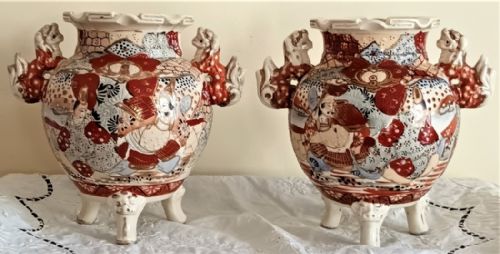
What defines Japanese Satsuma ware?
Satsuma ware consists of earthenware ceramics with a characteristic ivory-coloured, crackled glaze. They are traditionally decorated with finely detailed polychrome enamel and gold.
Many examples from the Meiji period bear signatures from distinguished artists and studios operating in Kyoto and surrounding regions.
Where were moon flasks used?
Moon flasks served primarily as ornamental display objects rather than functional containers for liquids. Their balanced proportions and flat surfaces made them ideal canvases for painted landscapes and floral motifs.
European and Asian potteries both adopted this distinctive form during the nineteenth century.
How do I care for painted glass and enamel?
Display painted glass and enamel vessels away from direct sunlight to preserve the stability of the pigments and gold leaf. Dust them gently with a soft, dry cloth without applying liquid cleaners.
Avoiding sudden temperature changes protects fragile nineteenth-century glass and ceramic bodies from thermal shock.