





Decorative Painted Furniture
Decorative painted furniture brings colour and narrative into a room through surface art applied to wood, metal and lacquer.
Decorative Painted Furniture
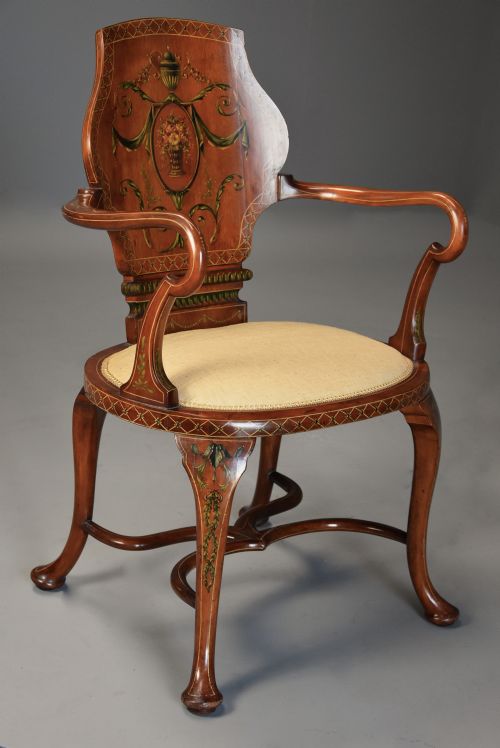
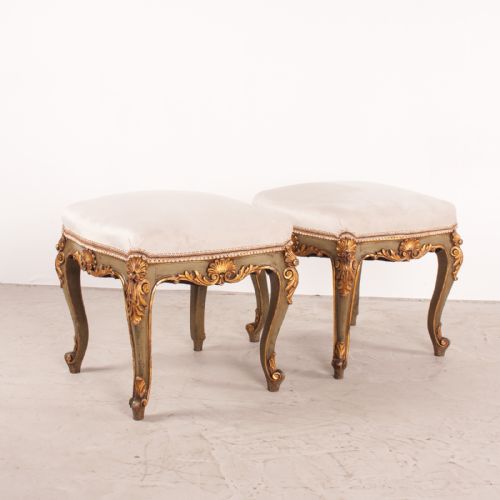
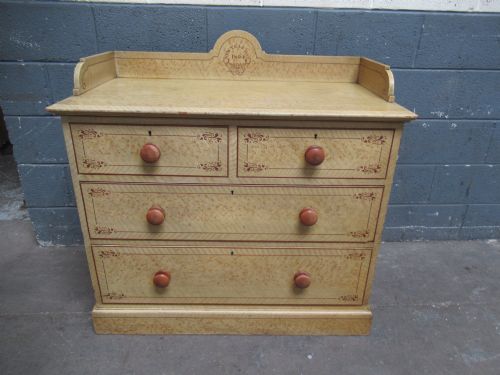
Buyers seeking decorative painted furniture encounter a diverse selection spanning the eighteenth, nineteenth and early twentieth centuries. The pieces range from substantial chests of drawers and cabinets to occasional tables, chairs and wall shelves originating from English, French, Italian and Asian workshops.
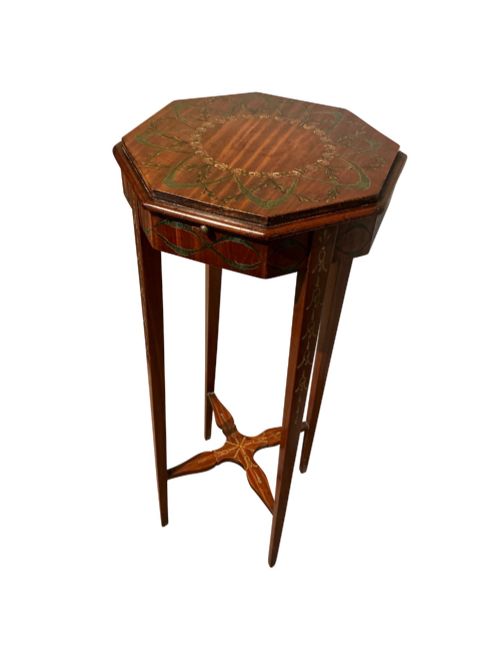
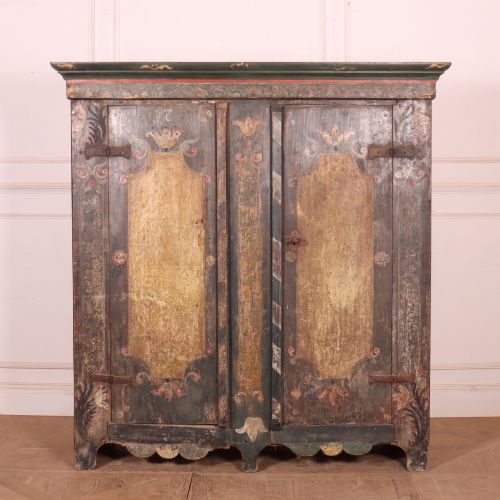
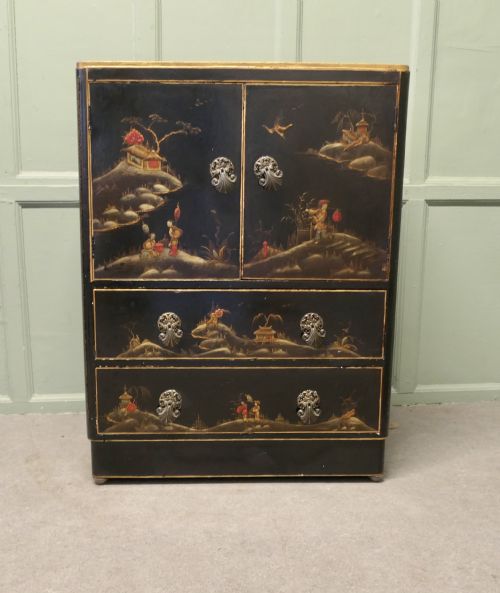
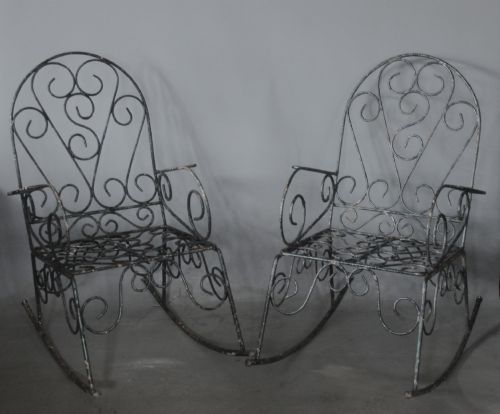
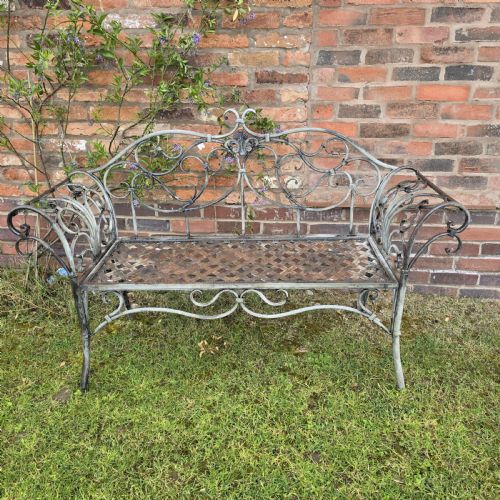
Domestic storage forms like pine commodes, satinwood demi-lune tables and lacquer cupboards sit alongside garden benches and iron seating. These items combine practical function with ornate surface decoration, drawing on styles such as Chinoiserie, Louis XVI, Continental Rococo, Folk Art and the Edwardian Georgian revival.
Materials and construction methods
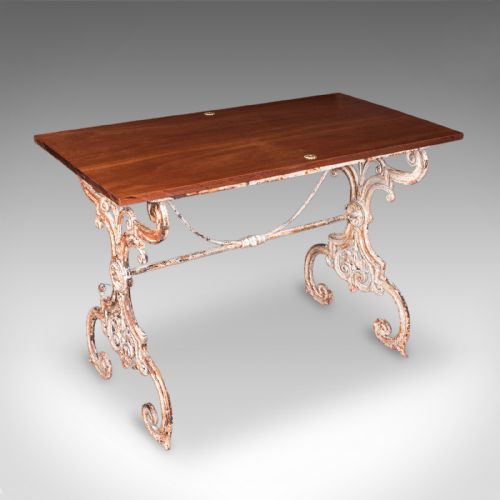
Makers utilised solid timbers such as pine, satinwood and oak alongside metals including cast iron, wrought iron and brass as foundations for painted finishes. Surfaces received layers of pigment, lacquer or gilding, sometimes incorporating hand-painted floral panels, polychrome details or mother of pearl inlay.
Construction techniques balanced structural joinery with skilled surface artistry. Cabinetmakers built chests, cabinets and tables to house elaborate japanning, Chinoiserie scenes and decorative motifs applied by painters and lacquerers.
Decorative Painted Furniture Retail Price Guide 2026
Typical asking prices for decorative painted furniture among the pieces listed under this phrase on Sellingantiques today, from the lower quarter to the upper quarter. They describe what is for sale here now, not the wider market.
Listings feature items spanning the 18th Century to the 1930s, constructed from painted wood, cast iron, wrought iron, brass and fabric.
Quality differences in painted surfaces and structure
The standard of decorative painted furniture rests upon the execution and preservation of the surface finish. Fine examples display masterly brushwork, intricate lacquer or detailed gilding that has survived without heavy loss, while lesser pieces show crude over-painting or worn decoration.
Structural integrity and the originality of the painted surface dictate worth. Pieces retaining their genuine nineteenth or early twentieth-century finish hold greater artistic merit than those subjected to later repainting.
Melissa White
The Decorative Painted Furniture Glossary
- Chinoiserie
- European decorative style reflecting Chinese artistic traditions, typically executed in lacquer with raised motifs and gilt figures. It appeared frequently on cabinets, commodes and tables during the eighteenth and nineteenth centuries.
- Japanning
- European imitation of Japanese and Chinese lacquerwork created using layered varnishes and resin finishes. Artisans baked and polished these coats to achieve a hard, glossy surface on chests and cupboards.
- Polychrome
- Decoration executed in multiple colours. This technique appears on Italian tables, children's pushchairs and folk art objects.
- Commode
- Low cabinet or chest of drawers designed for domestic use. French and English examples often feature decorative painted surfaces or lacquer work.
- Satinwood
- Hard, yellowish timber native to India and Sri Lanka used for fine cabinet-making. It provided a pale, smooth ground for painted and gilt ornamentation.
Decorative Painted Furniture: Frequently Asked Questions
What is decorative painted furniture?
Decorative painted furniture encompasses items finished with applied pigments, lacquer, gilding or floral panels rather than exposed wood grain. These pieces range from functional storage items like chests of drawers to display tables and seating.
Craftsmen and artists transformed utilitarian wooden and metal objects into vibrant focal points using various international design traditions. The category spans diverse aesthetic movements from eighteenth-century style Chinoiserie to Edwardian painted satinwood.
How do I care for painted furniture?
Protect painted and lacquered surfaces from direct sunlight to prevent fading and cracking of the pigments. Dust gently with a dry, soft cloth and avoid chemical cleaning agents.
Maintain stable room humidity to protect the underlying timber and metal from expansion and contraction. Proper placement ensures the delicate brushwork and gilt details remain intact.
How do I identify the period?
Dating relies on construction methods, timber types and stylistic indicators associated with specific eras such as the Victorian period or the Edwardian years. Examination of drawer joints, fixings and the wear patterns on the paint surface helps establish age.
Stylistic cues like Louis XVI curves, Aesthetic Movement motifs or Pre-Raphaelite painted details offer further chronological markers. Original labels, stamps or dated inscriptions provide definitive evidence when present.
Where were these pieces used?
Historical pieces served various roles within polite drawing rooms, bedrooms, boudoirs and garden spaces. Indoor items functioned as commodes for storage, occasional tables for display and cabinets for precious objects.
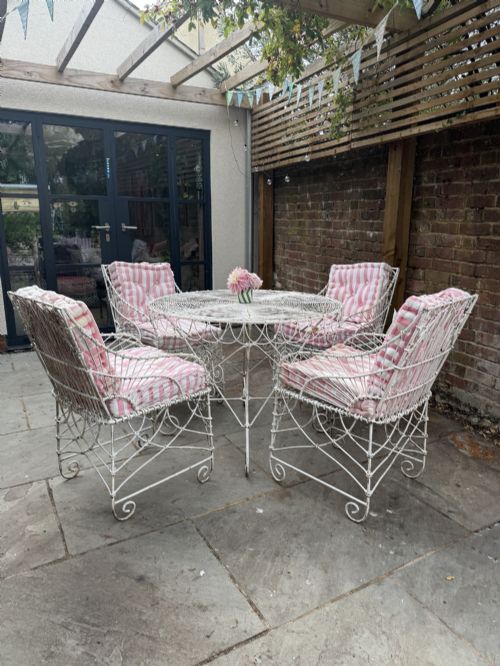
Outdoor variants including cast iron garden benches, rocking chairs and dining sets adorned nineteenth and twentieth-century lawns and glasshouses. Their dual nature combined practical utility with decorative display.