




Decorative Overmantle
A decorative overmantle brings architectural weight and reflected light to a chimney breast, shaped by nineteenth and early twentieth-century makers.
Decorative Overmantle
A decorative overmantle serves as a substantial focal point designed to sit directly above a fireplace mantelpiece. The pieces gathered here draw primarily from nineteenth-century Victorian workshops, alongside Regency, Edwardian, and later twentieth-century iterations.
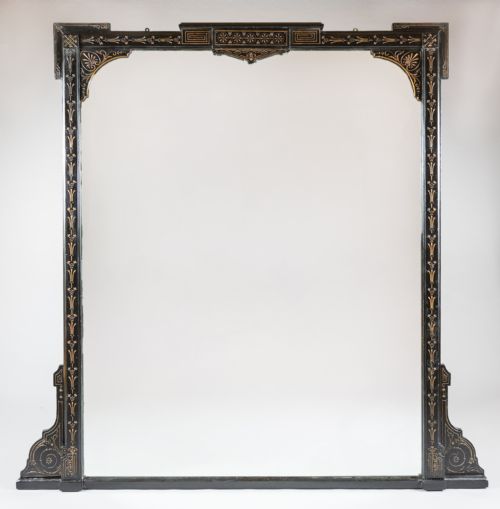
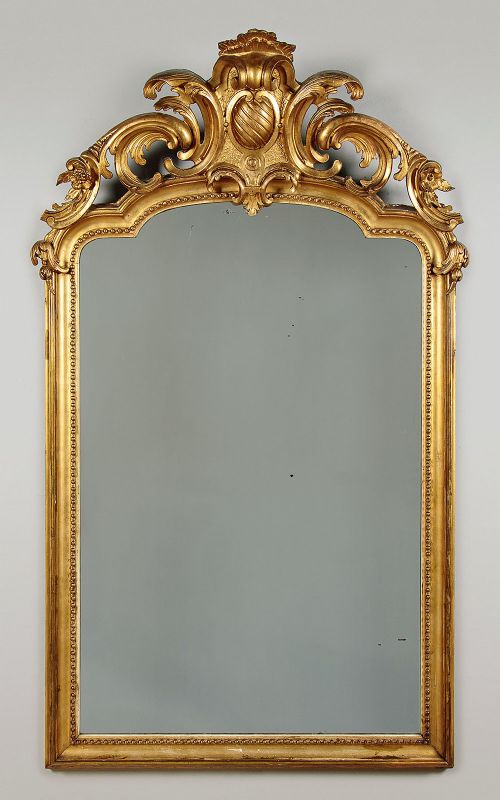
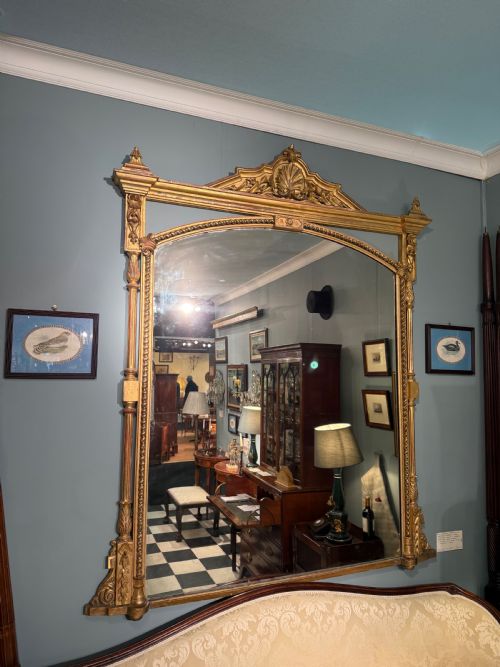
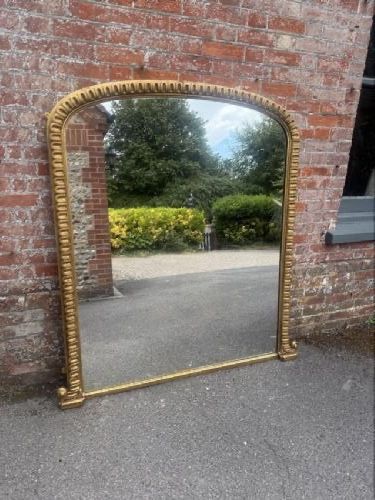
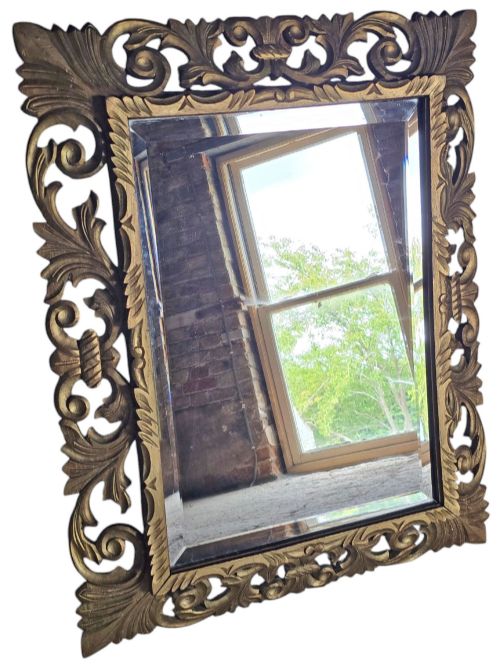
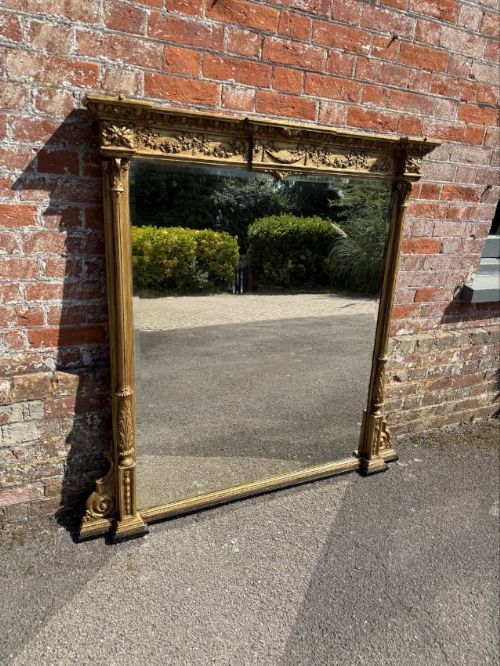
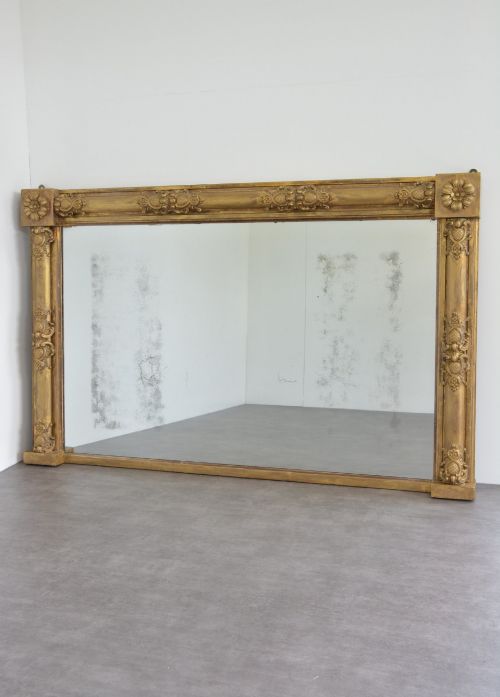
Most examples encountered on this page take the form of large wall mirrors, often distinguished by arched tops, column frames, or ornate pediments. Makers constructed these mirrors to expand the visual proportions of period rooms by capturing and reflecting natural light across the interior.
Materials and construction
Craftsmen built the structural frames of wood, frequently employing carved timber or applied composition ornament moulded over gesso grounds. Artisans then finished these surfaces with gold leaf, paint, or ebonised treatments to achieve rich decorative contrasts.
Mirrors utilised standard glass plates, sometimes appearing with triple plates, marginal plates, or lightly foxed surfaces that indicate age. Carved wood and gesso frames provided the necessary rigidity to support heavy glass panels within domestic chimney settings.
Decorative Overmantle Retail Price Guide 2026
Typical asking prices for decorative overmantle among the pieces listed under this phrase on Sellingantiques today, from the lower quarter to the upper quarter. They describe what is for sale here now, not the wider market.
Watch for cheeky cherubs and Bacchus hiding within the decorative relief panels of nineteenth-century frames.
Factors of quality
The distinction between standard and superior pieces rests upon the crispness of the carved wood and the depth of the gesso relief. Intricate mouldings and refined surface gilding indicate higher workshop standards during the Victorian and Regency periods.
Original glass condition also influences the integrity of the piece, particularly where subtle foxing or hand-etched details remain intact. The harmony between the decorative pediment and the primary frame geometry dictates the overall success of the design.
The Decorative Overmantle Glossary
- Giltwood
- Wood that has been coated with a thin layer of gold leaf. This finish provides a bright reflective quality across period frames.
- Gesso
- A plaster-like mixture applied to wood frames to create smooth surfaces for carving or moulding. Artisans use this material to build up intricate relief ornament.
- Overmantle
- A mirror or decorative fixture made specifically to hang above a fireplace mantel. These large items anchor the wall space above hearths.
- Foxed glass
- Mirror glass displaying small dark spots or discoloration resulting from age and chemical breakdown behind the silvering. Collectors often value this natural patina.
- Pediment
- The decorative architectural structure surmounting the top of a mirror frame. It adds height and stylistic character to the piece.
Decorative Overmantle: Frequently Asked Questions
Where should an overmantle mirror be hung?
These mirrors traditionally anchor the wall directly above a fireplace mantel, where their scale balances the hearth below. They also function successfully on main salon walls to reflect light.
Install the piece securely into wall studs using appropriate hardware, given the substantial weight of carved wood and glass frames.
How do I care for antique gilt frames?
Dust the carved wood and gilded surfaces gently with a dry, soft brush to protect delicate gesso and gold leaf. Avoid liquid cleaners or chemical agents that can strip historical finishes.
Keep the mirrors away from direct moisture and extreme temperature fluctuations to prevent the wood frame from warping over time.
What defines a Victorian overmantle?
Victorian examples frequently feature arched wooden tops, elaborate gesso mouldings, and heavy gilt frames designed to dominate nineteenth-century interiors. They often incorporate columnar supports or detailed decorative relief panels.
Subtle variations include ebonised wood finishes and triple plate configurations that reflect the evolving tastes of the period.
Are these mirrors suitable for modern rooms?
The substantial scale and reflective glass plates of these pieces provide a strong focal point in contemporary minimalist or eclectic interiors. Their traditional craftsmanship contrasts effectively against plain walls.
Ensure the wall structure can support the considerable weight of timber, gesso, and glass before mounting.