



Decorative Outdoor Planters
These decorative outdoor planters bring architectural presence to a garden, offering the weight and classical form that collectors seek.
Decorative Outdoor Planters
Decorative outdoor planters encompass garden urns, troughs, and plant stands designed to hold flora while adding formal structure to grounds and patios. When you examine this selection, you encounter vessels rooted primarily in the nineteenth century, including Victorian pieces and French designs.
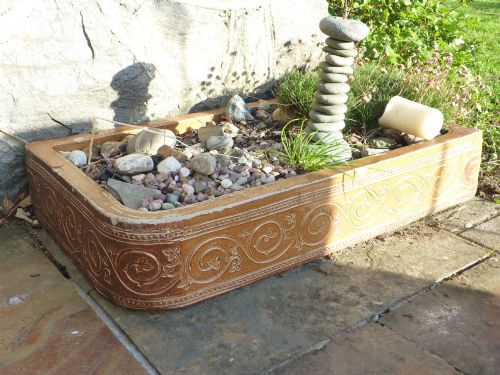
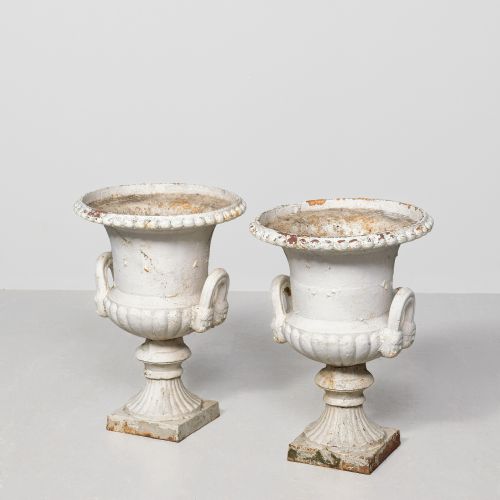
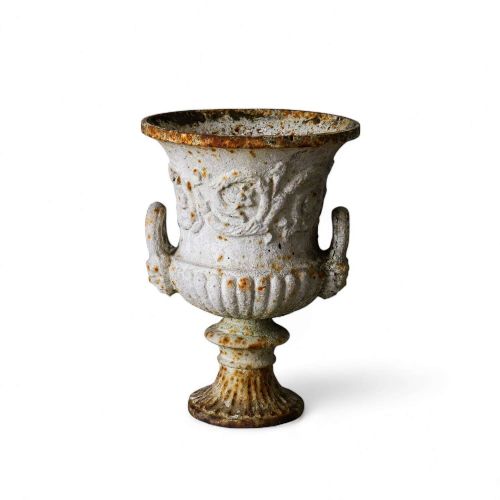
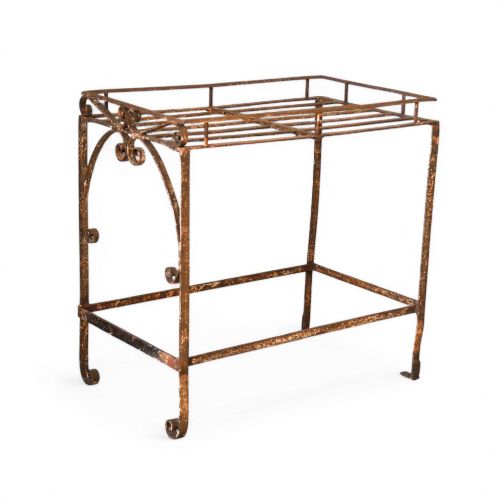
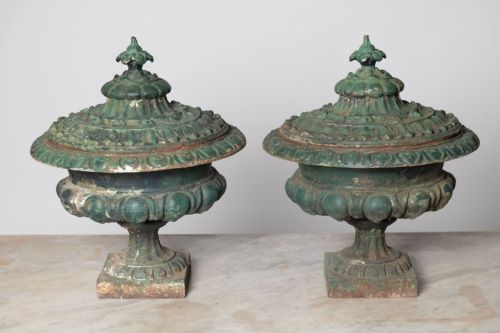
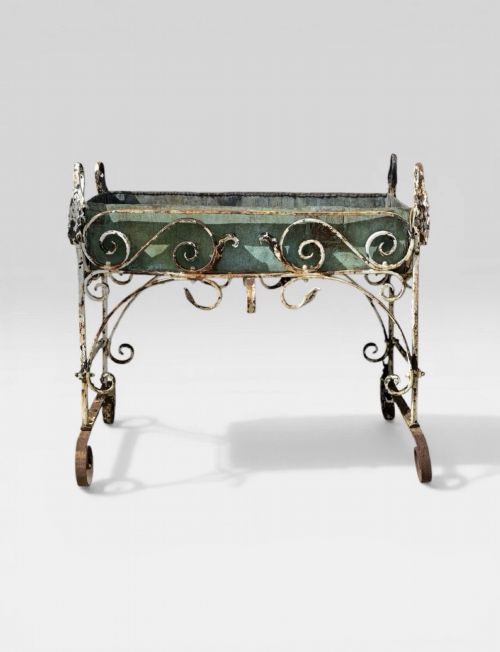
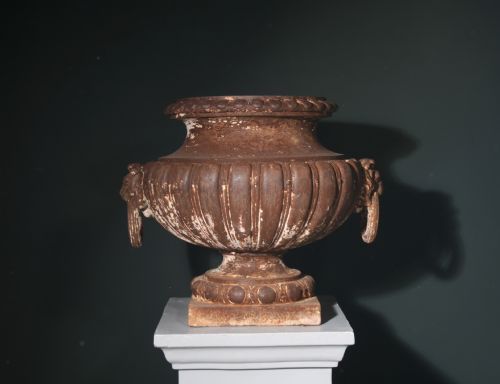
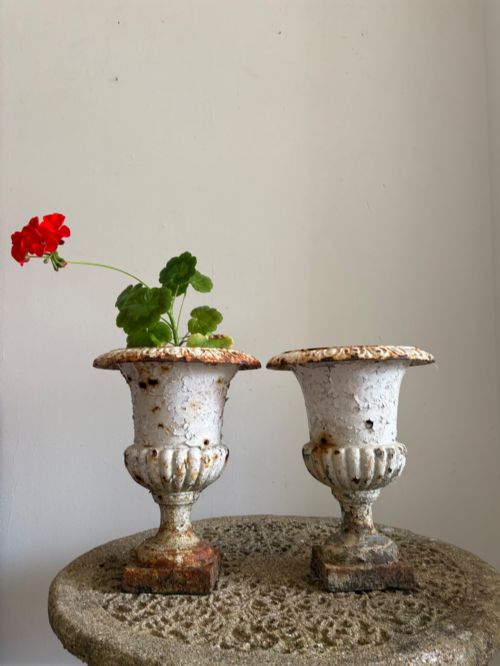
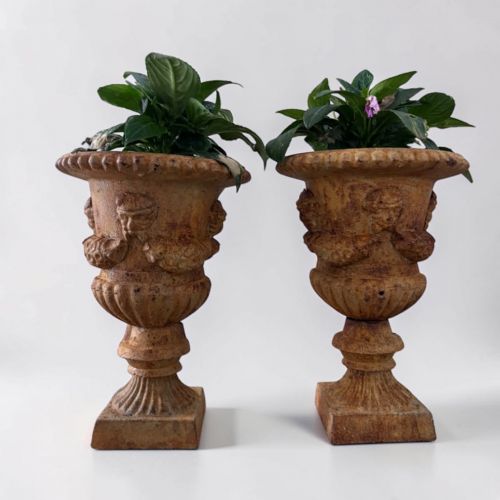
The most frequent forms met on this page are cast iron garden urns, often presented as symmetrical pairs with classical motifs. Alongside these stand salt-glazed stoneware window troughs and wrought iron garden racks, reflecting the varied requirements of period gardens.
Origins span British and French workshops, utilising robust materials intended to weather the elements gracefully over decades. Buyers selecting these pieces typically aim to anchor a terrace or pathway with substantial, time-worn vessels.
What varies in quality
Quality rests in the crispness of the casting detail and the integrity of the original material, distinguishing master foundry work from simpler utilitarian output. Pieces bearing clear foundry stamps or attributed to notable makers command greater interest among collectors.
Proportion and the presence of matching original components, such as pedestals or lids, elevate the standing of an urn or planter. The depth of patination and the survival of early painted surfaces also influence the overall character of the piece.
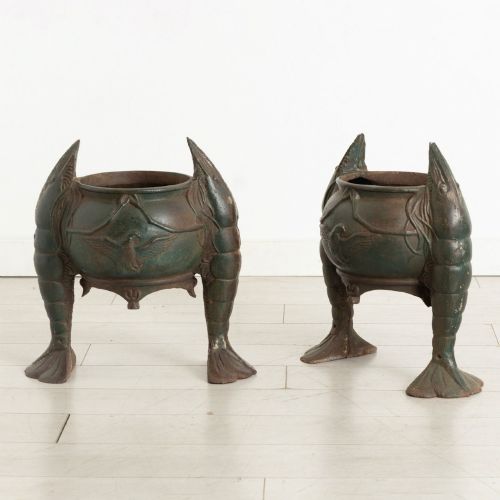
The selection includes French Art Nouveau and Victorian classical revival styles alongside estate-made wrought iron garden racks.
Andrew Handyside·Val D Osne Foundry·Guichard Carriès
The Decorative Outdoor Planters Glossary
- Campana urn
- A bell-shaped garden vessel with a flared rim, popular in classical and Victorian landscape design. This form provides a balanced silhouette suited to pedestals.
- Tazza
- A shallow, cup-shaped ornamental vessel raised on a stem and foot, frequently utilised for planting trailing flora. These pieces offer a wide receptacle for display.
- Salt-glazed stoneware
- Pottery fired at high temperatures where salt is introduced to the kiln, creating a dense, glossy finish. This material resists frost and moisture.
- Jardinere
- A large ornamental pot or stand specifically intended for holding plants or flowers. They serve as focal points within formal gardens and conservatories.
- Wrought iron
- Iron beaten into shape while hot by a blacksmith, creating strong, fibrous structures. It is utilised for garden racks and plant stands.
Decorative Outdoor Planters: Frequently Asked Questions
How do I care for cast iron planters outdoors?
Cast iron planters withstand outdoor conditions well, though monitoring for moisture accumulation helps preserve the metal integrity. Applying protective coatings can also slow down active oxidation if desired.
Ensuring proper drainage prevents water from freezing inside the vessel during winter months, which protects the structural walls from cracking.
Can these antique planters stay outside in winter?
Most iron and stoneware pieces remain outdoors year-round, as their heavy materials handle seasonal changes. Stoneware benefits from being emptied or covered if severe frost threatens the ceramic.
Positioning vessels on small feet prevents them from freezing directly to damp ground, reducing the risk of moisture absorption and subsequent damage.
How do I identify a Victorian garden urn?
Victorian pieces frequently display classical revival motifs such as acanthus leaves, egg-and-dart moulding, and heavy pedestal bases. Foundry marks or registration numbers stamped into the iron often confirm the period.
The weight and depth of the casting provide further clues, as nineteenth-century foundries utilised thick iron matrices to achieve enduring garden ornaments.
What is the difference between an urn and a trough?
Urns feature a vertical, often pedestal-mounted design with a circular, flared opening intended for central focal points. They project height and formal symmetry within a garden layout.
Troughs present a linear, rectangular profile suited for windowsills, walls, or narrow pathways. They allow for planting multiple specimens in a row.