

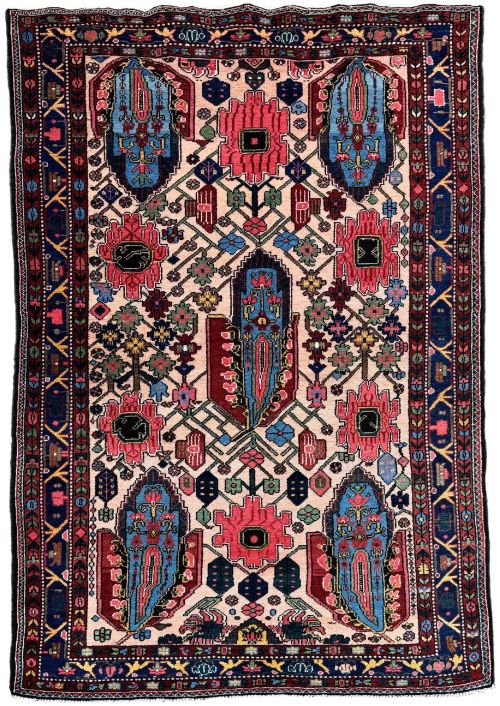


Decorative Oriental Runner
These decorative oriental runner examples are woven floor coverings that bring warmth and traditional pattern to a hallway or narrow space.
Decorative Oriental Runner
A decorative oriental runner brings traditional pattern and rich colour to narrow domestic spaces like hallways and landings. These woven floor coverings range from village pieces to finer city rugs.
The selection here includes pieces from various origins such as Persia, Turkey, and Anatolia. You will encounter room accents spanning the late nineteenth century into the early twentieth century.
Makers and weavers utilised traditional formats, creating elongated floor coverings designed to handle foot traffic while displaying intricate geometric and floral compositions.
How they were made
Weavers constructed these long carpets using wool and cotton foundations, knotting or weaving the pile by hand. Natural dyeing traditions provided the deep reds, blues, and earthy tones seen across the examples.
Techniques varied between workshop productions in cities like Kayseri or Ferahan and nomadic tribal methods seen in Turkoman tent bands and kilims. Each piece reflects the regional traditions of its origin.
Decorative Oriental Runner Retail Price Guide 2026
Typical asking prices for decorative oriental runner among the pieces listed under this phrase on Sellingantiques today, from the lower quarter to the upper quarter. They describe what is for sale here now, not the wider market.
The listings span from the late nineteenth century through to the 1930s, featuring wool and cotton materials across Persian and Ottoman styles.
What varies in quality
Quality rests on the density of the weave and the precision of the design execution. Finer knots and carefully balanced colour palettes distinguish workshop carpets from simpler village output.
The integrity of the wool and the preservation of the edges and ends dictate the structural success of each piece. Superior examples maintain their pile depth and structural crispness despite decades of use.
Tuduc
The Decorative Oriental Runner Glossary
- Pile
- The vertical tufts of wool that form the soft surface of a carpet. This layer bears the direct wear of foot traffic.
- Kilim
- A flat-woven carpet or rug produced without a pile. These pieces are lighter and rely entirely on the interweaving of warp and weft threads.
- Warp
- The vertical threads stretched tightly on the loom before weaving begins. The fringe of a rug is typically formed from these remaining foundation threads.
- Weft
- The horizontal threads passed across the warp to hold the knots or flat weave in place. They give the textile its structural firmness.
- Prayer rug
- A textile featuring a specific niche design known as a mihrab, traditionally oriented towards Mecca during daily devotions.
Decorative Oriental Runner: Frequently Asked Questions
Where should I place a runner?
These long formats suit narrow spaces such as corridors, hallways, and entrance lobbies where floor warmth and pattern add character.
They also function effectively alongside long dining tables or beside bedroom furniture to soften wooden floorboards.
How do I care for wool rugs?
Regular gentle vacuuming without a rotating brush bar helps remove grit from the wool pile without damaging the foundation.
Professional cleaning is advisable when deep dust accumulates, ensuring the natural dyes remain stable and protected.
Are these runners hand-knotted?
The selection includes traditional hand-knotted pile carpets as well as flat-woven kilim constructions from various weaving centres.
Each construction method reflects the specific regional heritage and practical requirements of the makers.
How do I identify different origins?
Specific motifs, knot densities, and colour combinations point toward particular weaving regions like Persia, Anatolia, or the Caucasus.
Comparing structural details such as end finishes and side cord bindings often reveals the geographic roots of the textile.