


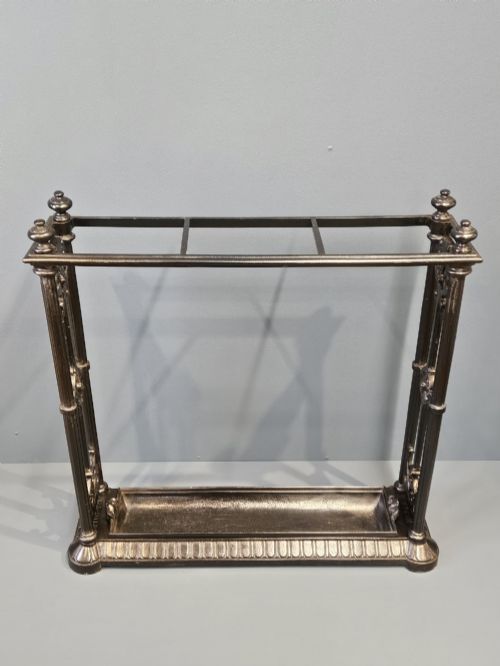

Decorative Metal Stand
A decorative metal stand brings practical form and sculptural presence to a room, ranging from plant supports to umbrella holders.
Decorative Metal Stand
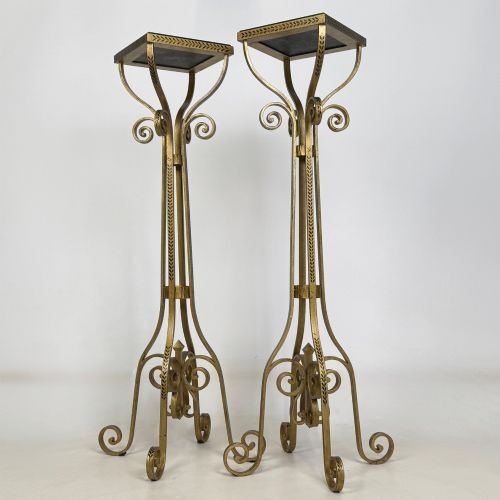
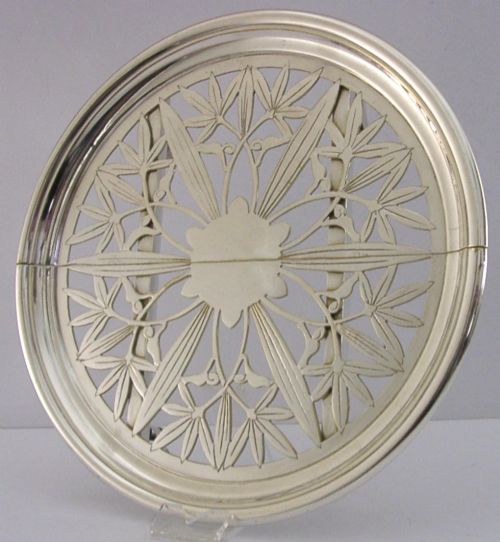
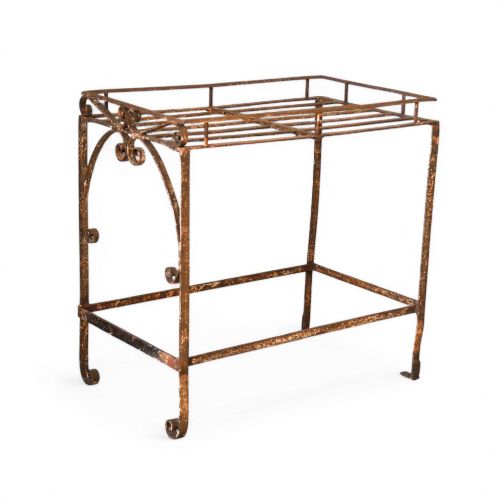
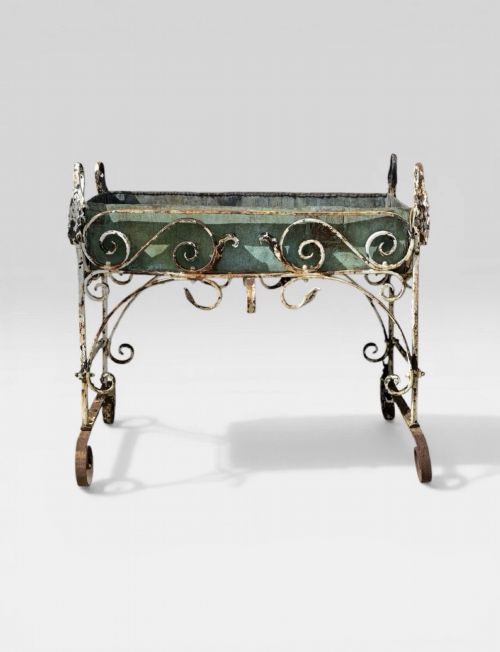
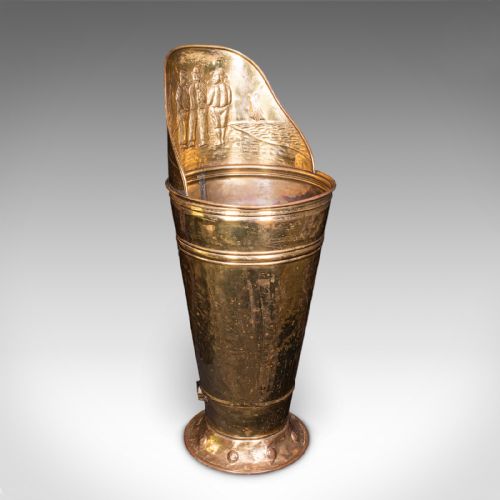
A decorative metal stand serves various functions in a domestic interior, appearing as plant stands, stick stands, trivets, and small tables. Buyers searching for a decorative metal stand encounter utilitarian items elevated by ornamental design, such as umbrella holders and jardiniere pedestals.
The selections span from the nineteenth century through the Art Deco and Edwardian eras, reflecting periods of diverse aesthetic output. Victorian cast iron and Edwardian wire work represent the utilitarian side of these objects, while gilt bronze and ormolu pieces demonstrate refined interior ornamentation.
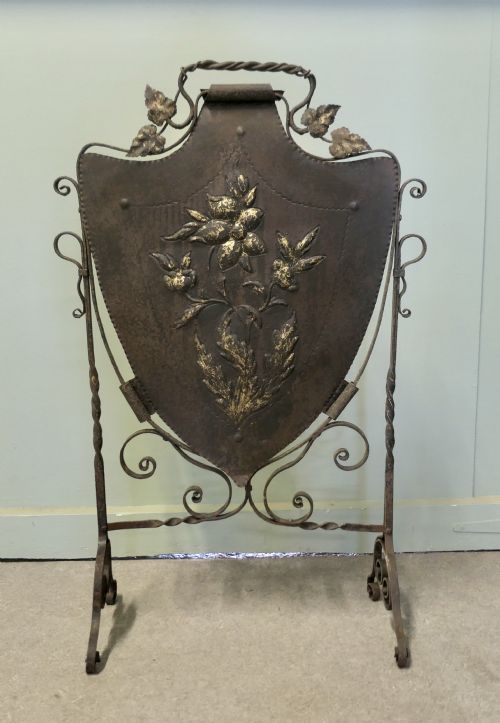
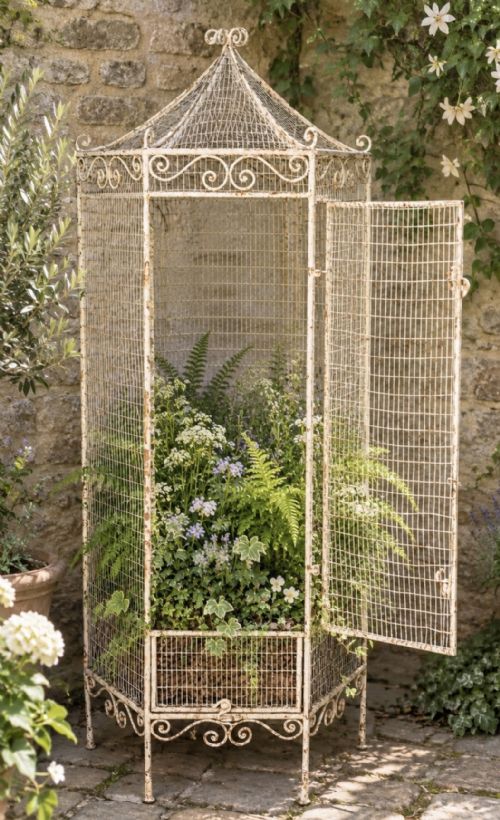
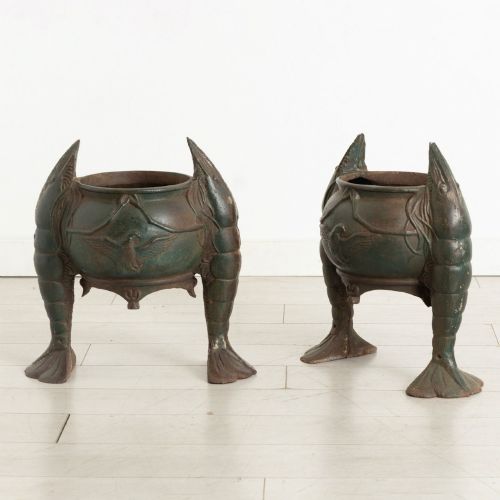
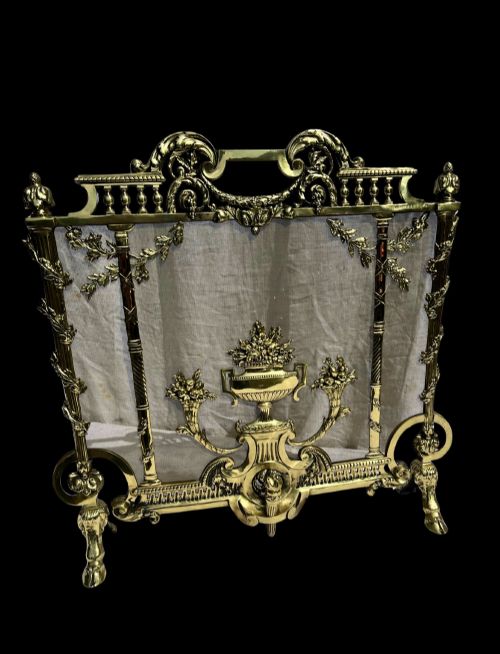
Forms include plant pedestals, fire screens, bird cages, and serving dish stands originating from French, British, and Dutch workshops. These objects combine metalworking techniques with specific regional styles like Art Nouveau, Neoclassical, and Gothic Revival.
How they were made
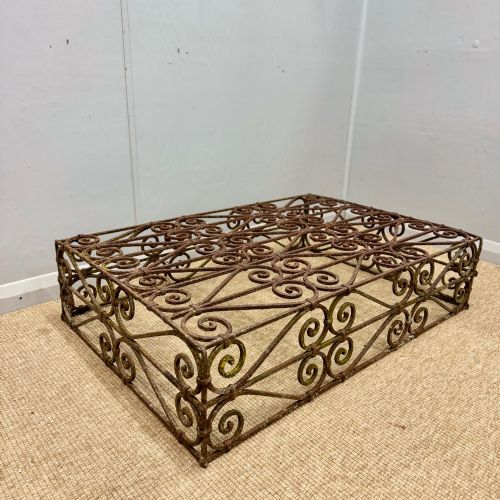
Makers utilised casting, forging, and pressing techniques to shape metals such as brass, cast iron, wrought iron, and copper. Cast iron allowed for intricate moulded details on umbrella stands and garden urns, whereas wrought iron involved manual heating and hammering for garden racks and plant holders.
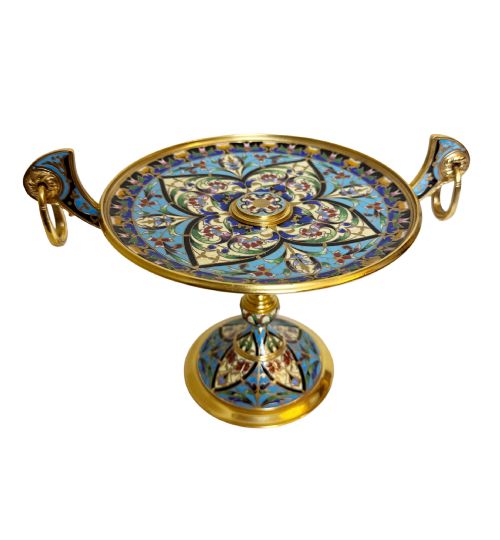
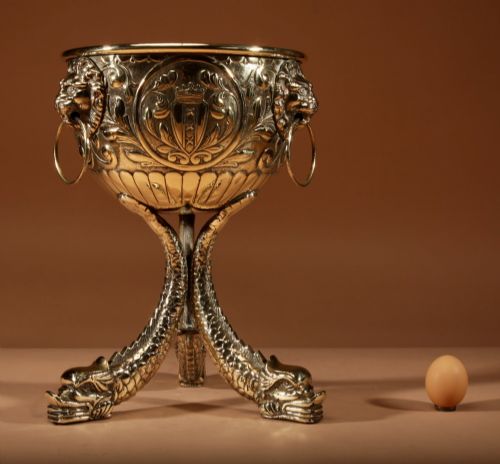
Surface treatments included silver plating, painting, and fire gilding, alongside dinanderie work involving embossed brass. Ormolu mounts and champleve enamel added colour and textural contrast to bronze and wooden structures.
Listings feature items spanning the 19th century, Edwardian era, and the 1920s, constructed from brass, wrought iron, cast iron, and copper.
What varies in quality
Quality resides in the crispness of the casting and the depth of the chased or embossed detail. Heavy cast bronze and ormolu pieces show sharper definition in acanthus leaves and figural elements than lighter, mass-produced items.
The integrity of construction distinguishes utilitarian pieces, seen in the robust joining of wrought iron garden frames and the secure mounting of marble tops on brass and iron stands. Superior items maintain structural stability alongside decorative ambition.
Christofle
The Decorative Metal Stand Glossary
- Ormolu
- Gilded bronze applied as a decorative mount on furniture and decorative objects. This technique was widely utilised in French eighteenth and nineteenth-century pieces.
- Jardiniere
- An ornamental pot or stand for holding plants or flowers. These vessels often appear in brass, copper, or ceramic with metal mounts.
- Dinanderie
- A term for various objects made of brass, copper, or bronze, particularly those involving beaten or embossed decoration. The designation originates from the Belgian town of Dinant.
- Champleve
- An enamelling technique where troughs or cells are carved into the metal surface and filled with vitreous enamel before firing. It appears frequently on nineteenth-century decorative metalwork.
- Tazza
- A shallow cup or vase on a pedestal, often cast in bronze or silver plate. These objects served as ornamental centrepieces on tables.
Decorative Metal Stand: Frequently Asked Questions
What is a decorative metal stand used for?
These pieces served practical roles in the home, holding umbrellas, plants, coal, or serving dishes. Their dual purpose combined utility with ornamental design for domestic interiors.
Over time, objects like stick stands and plant pedestals became focal points in hallways and conservatories, reflecting the tastes of their period.
How do I identify a Victorian metal stand?
Victorian pieces often feature heavy cast iron or brass construction with Gothic, Neoclassical, or ornate floral motifs. Look for robust frames designed for utilitarian domestic tasks.
Makers of this era favoured durable metals and functional forms such as umbrella stands, fire screens, and plant pedestals.
What metals are common in antique stands?
Brass, cast iron, wrought iron, and copper appear frequently across nineteenth and early twentieth-century pieces. Silver plate and gilt bronze were also utilised for more formal drawing room objects.
Each metal dictated the manufacturing technique, from forged ironwork to moulded cast iron and beaten dinanderie brass.
How do I style a metal stand at home?
Place plant stands in conservatories or near windows to support greenery, echoing Edwardian and Victorian room layouts. Stick stands find a natural home in entrance hallways.
Smaller items like trivets and brass objects work well on tabletops or as decorative accents in period or contemporary interiors.