




Antique Japanned Metal
These antique japanned metal objects bring durable utility and hand-painted decorative charm into domestic spaces.
Antique Japanned Metal
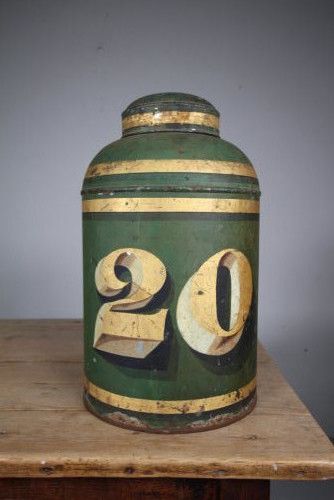
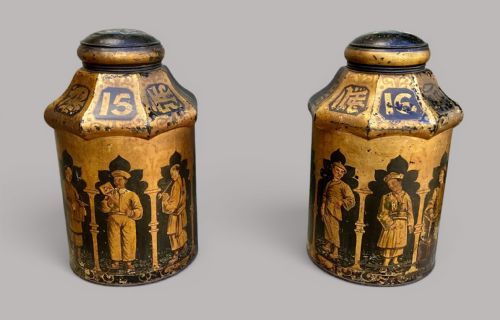
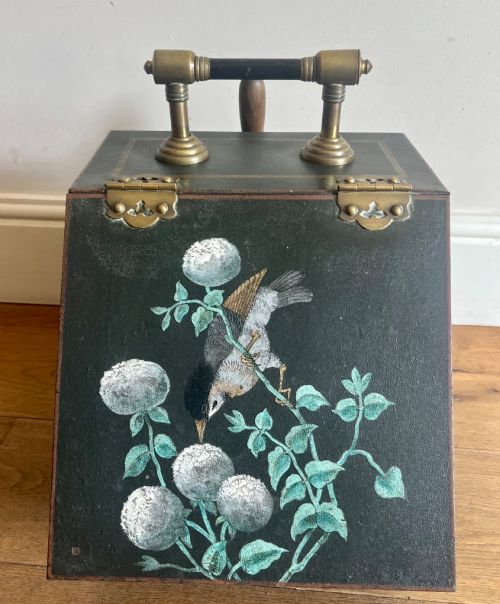
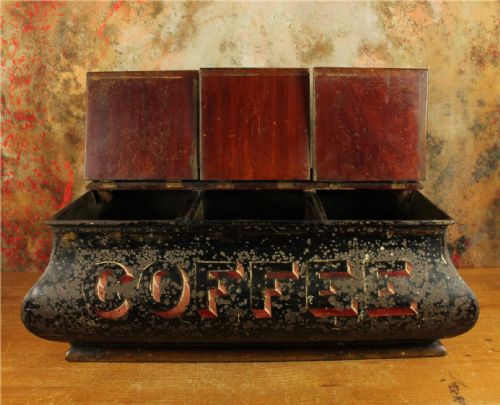
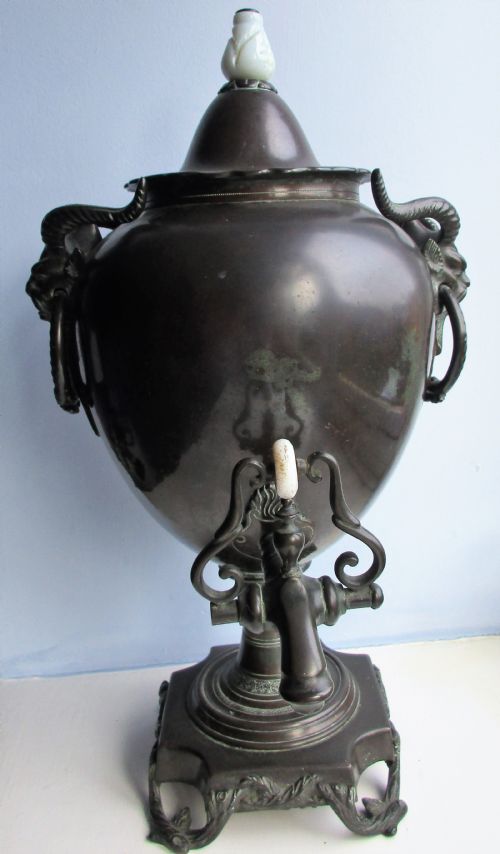
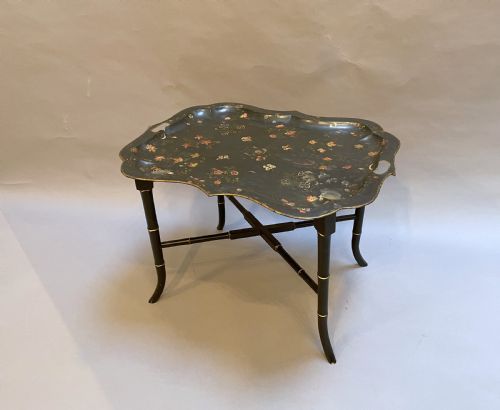
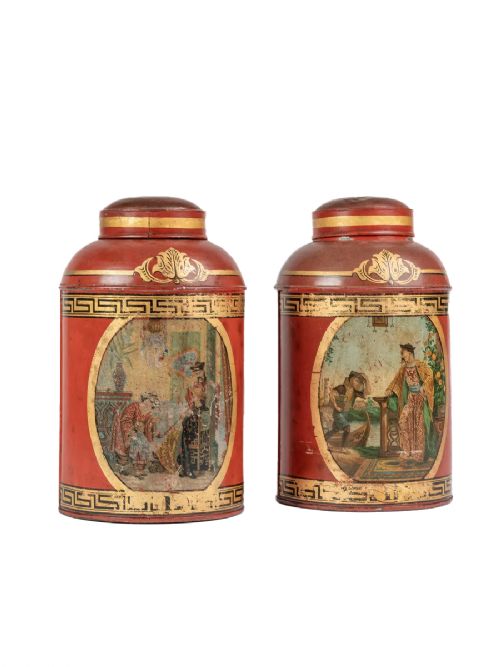
When searching for antique japanned metal, buyers encounter functional household containers and decorative furnishings finished with simulated oriental lacquer. The selection spans tea canisters, coal scuttles, trays, coffee urns, and legal wig cases.
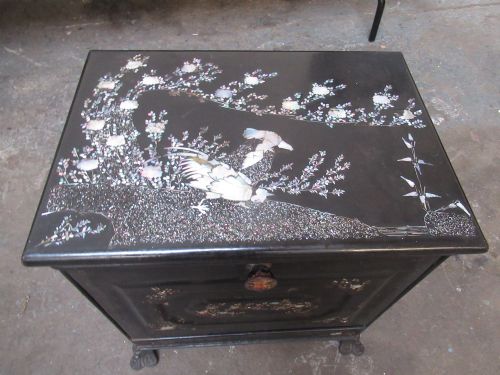
The material surface frequently displays black and gold lacquer decoration, often styled with Chinoiserie motifs or floral patterns. Pieces originate primarily across the nineteenth century, encompassing Regency, Victorian, and early twentieth-century periods.
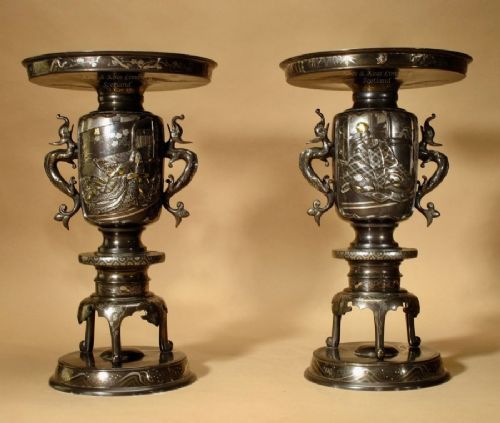
Domestic utilitarian objects dominate the selection, including coal scuttles, log boxes, spice boxes, and hot water cans. Alongside these utilitarian items appear decorative urns, table lamps, and architectural trays.
How they were made
Tinsmiths shaped sheet iron and tinplate into rigid forms before applying multiple coats of dark paint or varnish. This base layer was baked and polished to mimic traditional Asian lacquerware.
Artisans embellished the hardened surfaces using paint, gold leaf, and brass fittings. Specialised centres like Pontypool developed distinct regional methods for applying these durable japanned finishes.
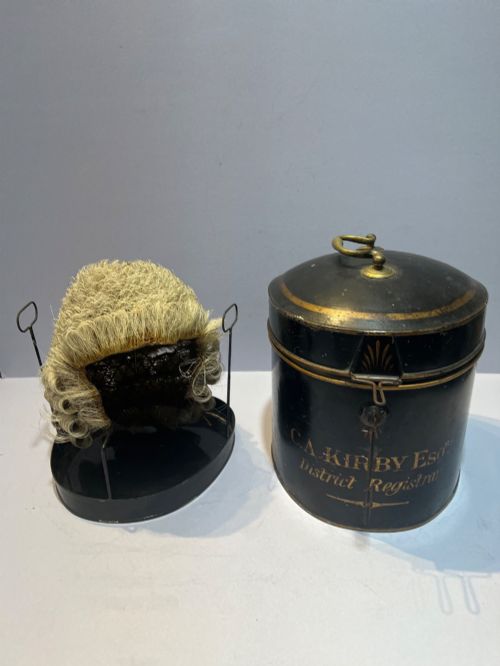
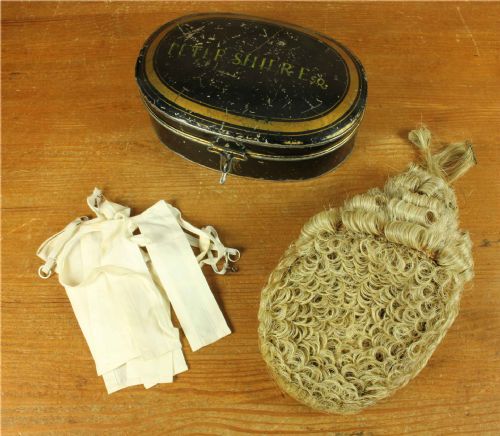
An eighteenth-century legal wig case stands ready to store formal courtroom attire with unexpected dignity.
What varies in quality
Quality rests upon the execution of the hand-painted decoration and the preservation of the original japanned surface. Superior examples display intricate Chinoiserie detailing and well-preserved gilding on stable metal foundations.
Construction methods and structural integrity also divide standard utilitarian boxes from master-painted display items. Maker attribution and regional origin further elevate the standing of individual pieces.
Eade and Son·Ravenscroft Law·Benetfink and Co·H Meeson·Kibundo
The Antique Japanned Metal Glossary
- Japanned metal
- Metalware finished with European lacquer designed to imitate Asian lacquerware. This technique protected the underlying iron and tinplate while providing a glossy decorative surface.
- Toleware
- Painted or japanned metalware produced in Europe, particularly tin-plated steel. The craft flourished during the eighteenth and nineteenth centuries for domestic utility items.
- Chinoiserie
- European artistic style reflecting Chinese motifs and decorative themes. Craftsmen applied these designs extensively to furniture, trays, and tea canisters.
- Pontypool ware
- Japanned metal originating from the Welsh town of Pontypool. It is known for high-gloss finishes and skilled application of gold leaf.
- Okimono
- Japanese decorative sculpture designed for display. These objects are often cast in bronze or mixed metals.
Antique Japanned Metal: Frequently Asked Questions
What is antique japanned metal?
It refers to iron and tinplate objects treated with a dark, baked-on lacquer finish designed to imitate Asian lacquerware. Makers decorated these surfaces with hand-painted motifs, gold leaf, and brass hardware.
Items range from large tea canisters and coal scuttles to table trays, document boxes, and decorative urns. The style reflects European interpretations of Eastern aesthetics popular across the eighteenth and nineteenth centuries.
How were these metal pieces used?
They served primarily as durable household containers for tea, spices, coal, and legal documents. Their sealed metal construction protected contents from moisture and pests.
Decorative versions also functioned as table lamps, wine coolers, and serving trays for domestic interiors. Their robust build suited everyday use in busy Victorian and Regency households.
How do I care for japanned metal?
Keep these items away from direct sunlight, excessive heat, and moisture to preserve the delicate lacquer surface. Dust gently with a dry, soft cloth without applying harsh chemical polishes.
Handle painted trays and tea canisters carefully to prevent chipping the original japanned finish and gold leaf decorations. Stable indoor environments prevent the underlying metal from corroding.
How can I tell periods apart?
Regency pieces often feature refined gilt embellishments and classical urn forms on painted trays. Victorian examples tend to include varied domestic utility items such as legal wig tins, coal scuttles, and heavily patterned Chinoiserie tea canisters.
Later nineteenth-century and 1900 items incorporate utilitarian military hat boxes and specialised document tins. Examining the hardware, construction seams, and painting style helps determine the era of manufacture.