



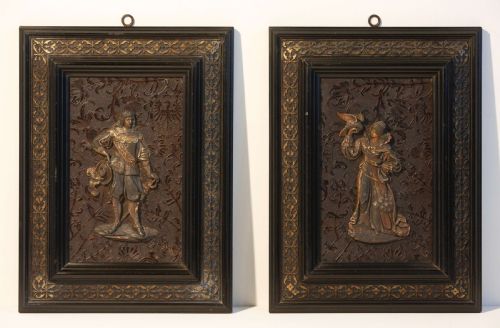


Decorative Metal Sculpture
Decorative metal sculpture brings form and weight to a room through cast bronze, spelter, and iron shaped across the nineteenth and twentieth centuries.
Decorative Metal Sculpture
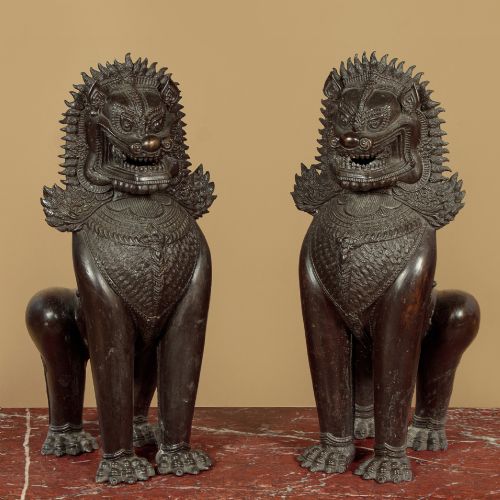
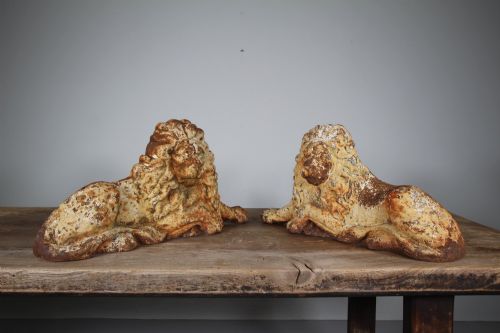
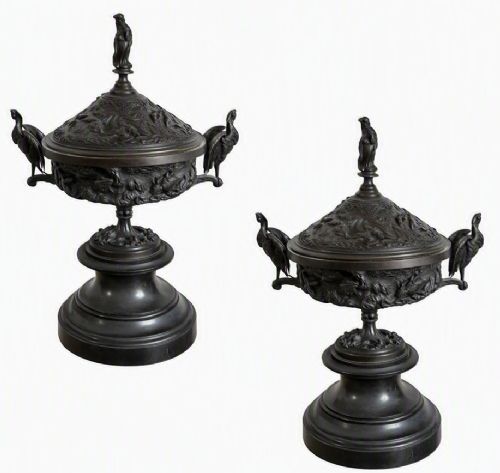
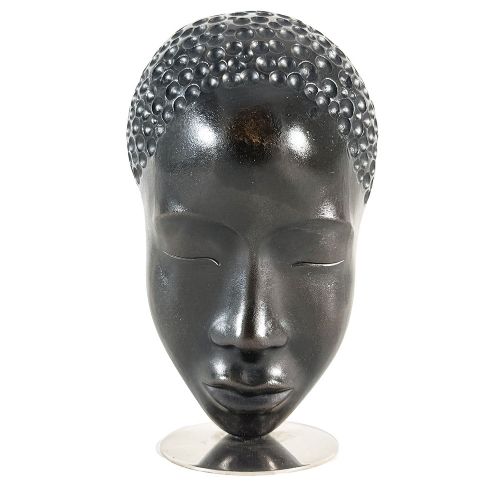
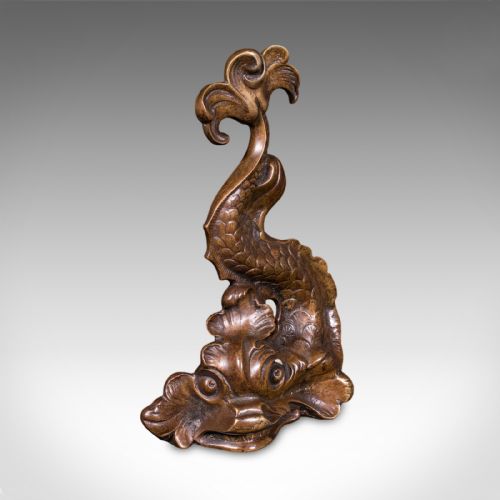
A decorative metal sculpture takes many forms, ranging from tabletop busts and animal figures to architectural doorstops, vases, and wall plaques.
Buyers meet pieces spanning the nineteenth century through the mid-twentieth century, encompassing Victorian, Art Nouveau, and Art Deco aesthetics.
Origins stretch across Britain, France, Austria, Russia, China, and Africa, using metals cast and finished in distinct regional traditions.
Materials and methods of creation
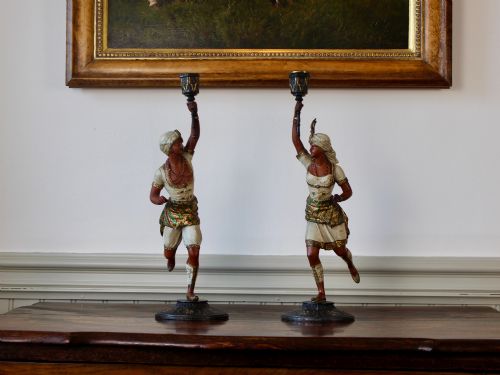
Foundries utilised bronze, brass, cast iron, and spelter, often applying patination, cold-painting, or gilding to enhance the surface detail.
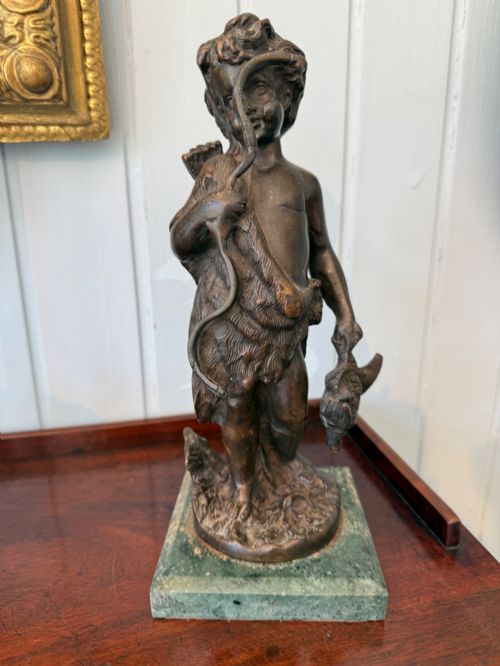
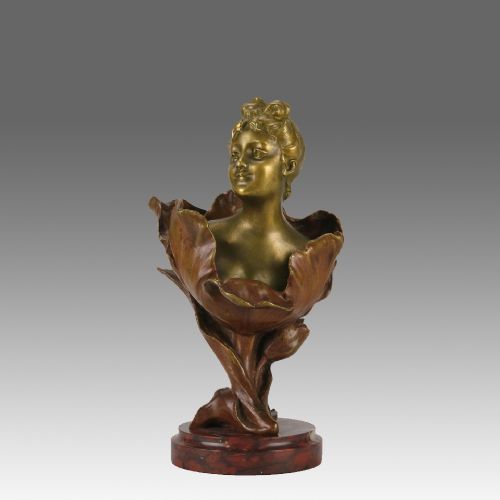
Many works combine metal with marble bases, olive wood mounts, or hand-painted highlights to contrast textures within a single object.
Decorative Metal Sculpture Retail Price Guide 2026
Typical asking prices for decorative metal sculpture among the pieces listed under this phrase on Sellingantiques today, from the lower quarter to the upper quarter. They describe what is for sale here now, not the wider market.
Distinctions in quality and finish
Surface treatments range from durable patinas and careful gilding to applied paint that shows varying degrees of handling and age.
Jules Moigniez·Hagenauer·Henri Godet·Fabergé·Charles Korschann·Jean Dunand·Georges Van De Voorde·Barbedienne
The Decorative Metal Sculpture Glossary
- Spelter
- A zinc alloy commonly used as a cost-effective alternative to bronze in nineteenth-century figural casting. It typically receives a painted or bronzed finish.
- Patination
- The chemical colouring applied to the surface of metal to create depth and simulate age. It protects the metal while defining contours.
- Cold-painted
- A technique where paint is applied to metal after casting without firing. It appears frequently on Austrian and European cabinet bronzes.
- Animalier
- A nineteenth-century artistic focus on the realistic depiction of animals. Sculptors in this tradition studied anatomy closely through movement and repose.
Decorative Metal Sculpture: Frequently Asked Questions
How do I clean a bronze sculpture?
Dust gently with a soft dry brush to prevent particle accumulation in crevices.
Avoid chemical polishes that strip original patinas and alter the metal surface.
What is the difference between bronze and spelter?
Bronze is a robust copper alloy that accepts detailed chasing and holds deep patinas over centuries.
Spelter is softer, lighter, and more brittle, requiring careful handling to prevent damage.
Where were most of these sculptures made?
European foundries in France, Britain, and Austria produced the majority of nineteenth-century figural and decorative pieces.
Asian and African workshops also contributed cast bronzes and brasses spanning similar periods.
How can I date an Art Deco metal piece?
Art Deco works often feature stylized geometry, streamlined human forms, and materials characteristic of the interwar decades.
Signatures, foundry marks, and accompanying bases frequently help narrow down the production era.