



Decorative Metal Relief
Decorative metal relief spans centuries of skilled casting and chasing, bringing textured historical scenes and floral motifs into domestic interiors.
Decorative Metal Relief
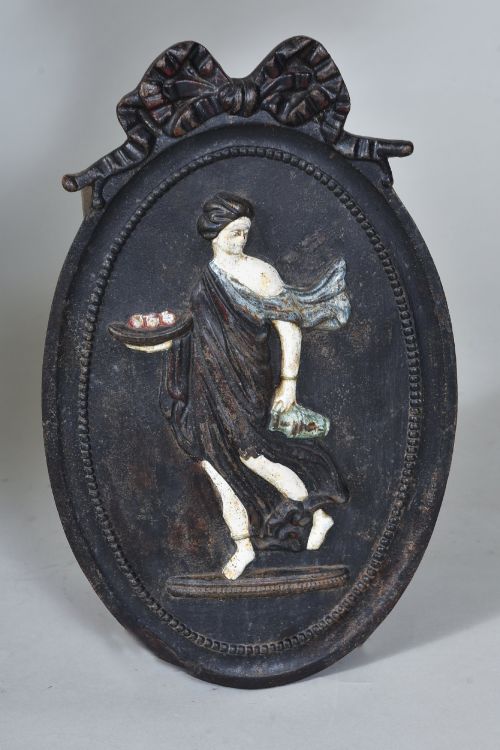
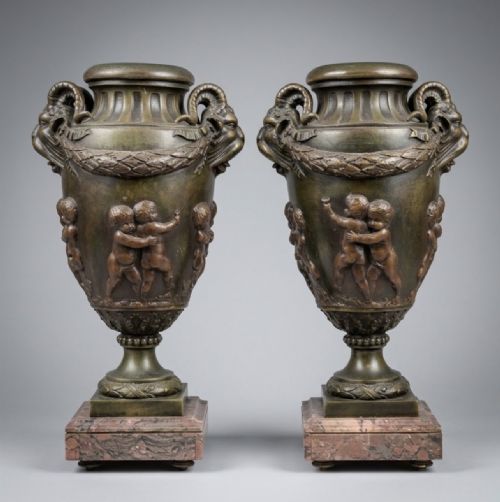
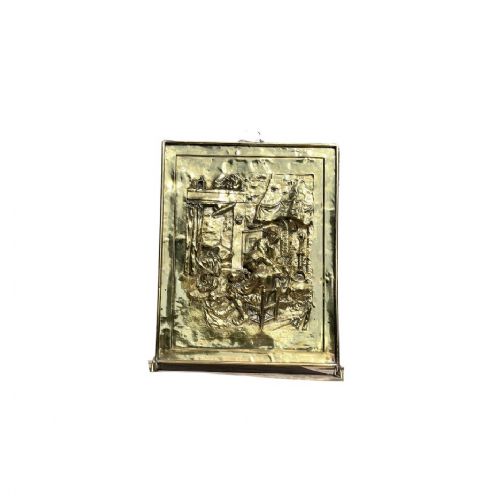
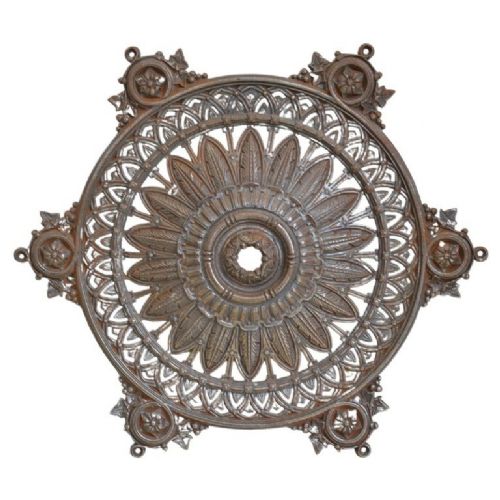
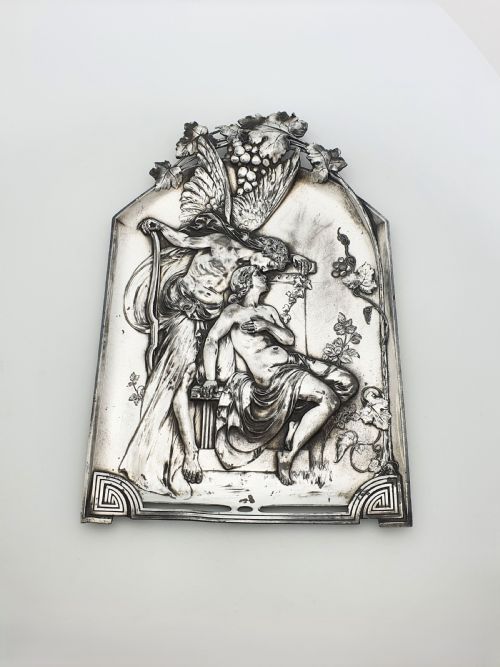
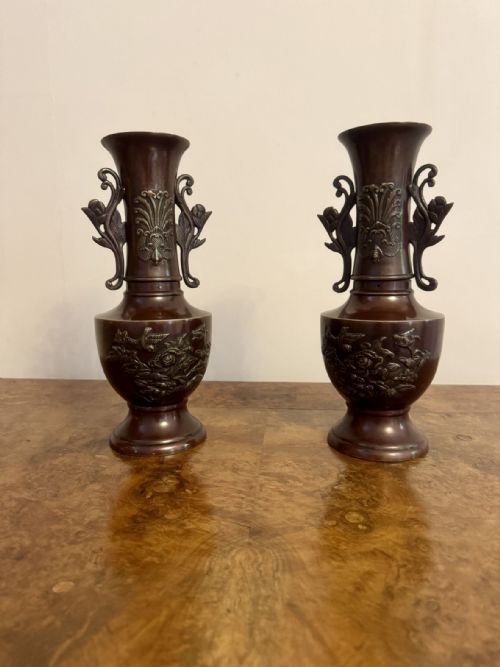
Decorative metal relief encompasses a diverse array of objects designed to adorn spaces through raised surface ornamentation. When exploring decorative metal relief, buyers commonly encounter items ranging from cast iron fire backs and wall plaques to bronze vases, urns, and jardinieres.
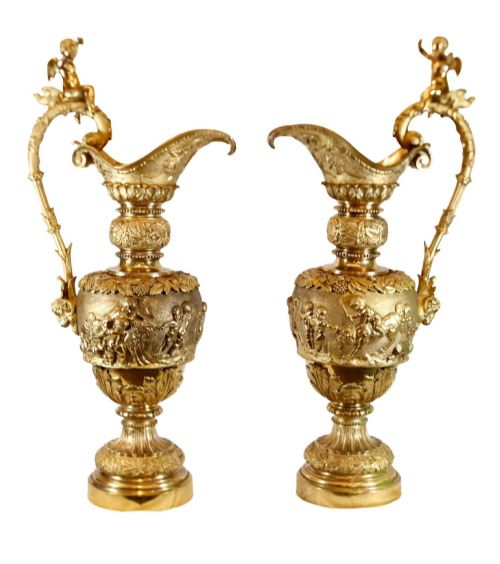
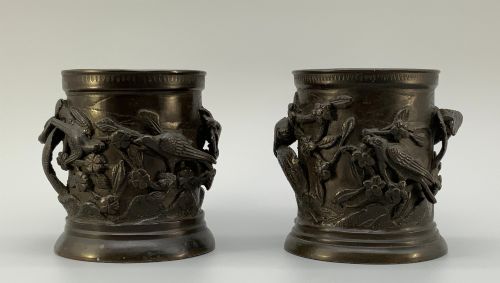
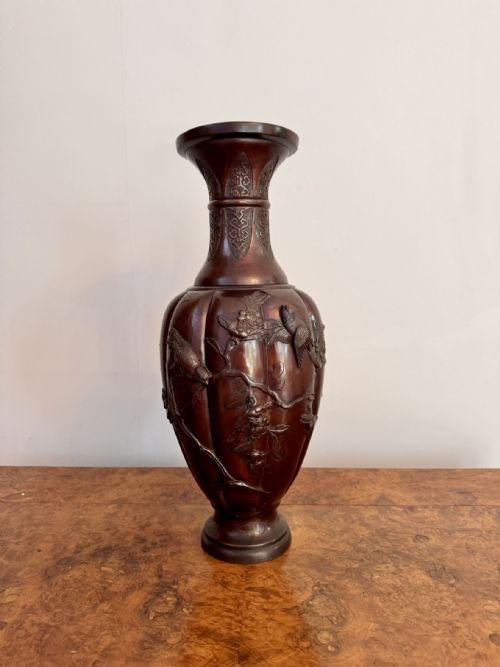
The pieces on this page originate from various cultural traditions and eras, notably including Japanese Meiji period bronzes, French neoclassical ewers, and Victorian British cast iron work. Domestic and ceremonial vessels sit alongside architectural elements like ceiling roses and wall chargers.
Stylistic influences stretch across the Grand Tour aesthetic, Art Nouveau organic curves, and Qing dynasty motifs. Each object displays meticulous hand-finishing or casting designed to create depth and shadow on metal surfaces.
Materials and Casting Techniques
The creation of decorative metal relief relies heavily on durable metals such as bronze, brass, copper, and cast iron, often enhanced with gilt bronze or silver plate. Artisans poured molten metal into moulds or shaped sheet metal from the reverse side to push designs forward.
Chasing and engraving followed the initial casting process to sharpen details in hair, foliage, and facial expressions. Patination treatments were applied chemically to age the metal surfaces, creating rich brown, green, or dark tones that accentuate the raised sculptural elements.
Decorative Metal Relief Retail Price Guide 2026
Typical asking prices for decorative metal relief among the pieces listed under this phrase on Sellingantiques today, from the lower quarter to the upper quarter. They describe what is for sale here now, not the wider market.
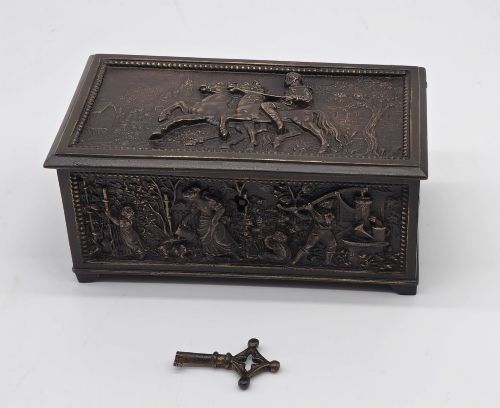
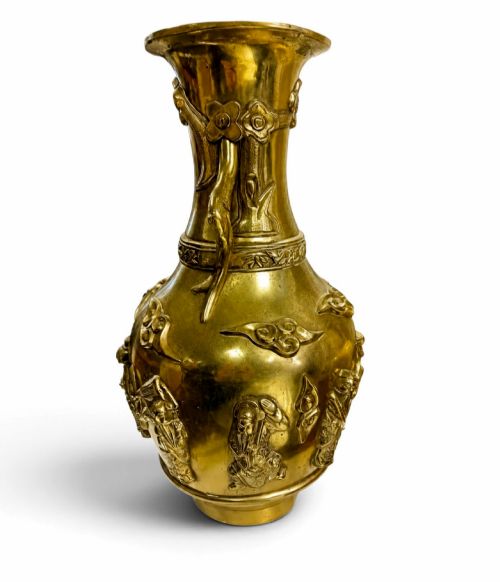
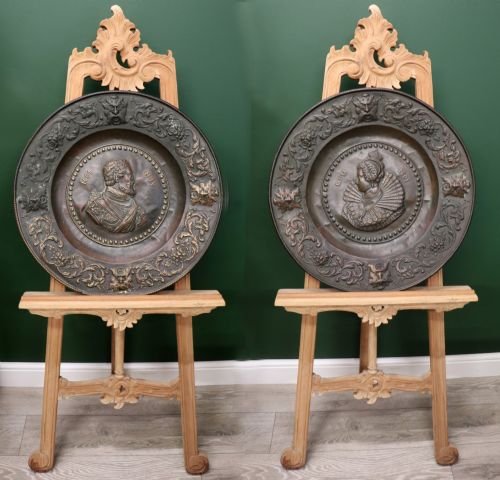
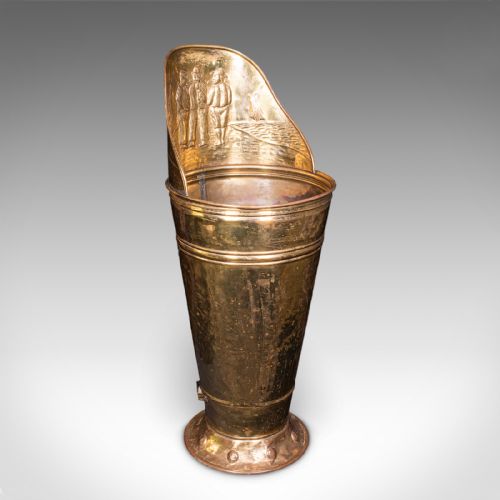
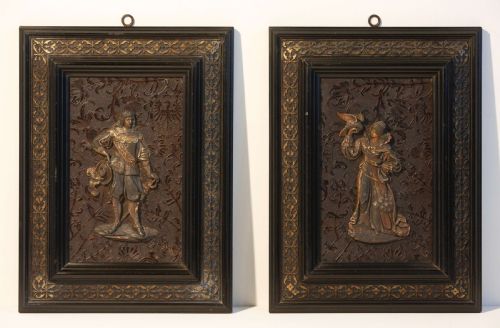
Object forms on this page include decorative vases, urns, wall chargers, ewers, and caskets decorated with figures, foliage, and mythological scenes.
Craftsmanship and Definition
Quality in decorative metal relief rests upon the crispness of the casting and the depth of the chased details. Superior examples exhibit sharp undercuts, naturalistic proportions, and finely textured backgrounds that make figures and foliage emerge distinctly from the plane.
Lesser pieces often display softened contours, shallow relief work, and visible seam lines from hurried manufacture. The weight of the metal and the integrity of the original patination further separate standard production items from masterworks.
Elkington & Co·Kasli Foundry·Coalbrookdale·WMF
The Decorative Metal Relief Glossary
- Repoussé
- A metalworking technique where an artisan hammers metal from the reverse side to form a raised design on the front. This method requires considerable skill to maintain even thickness.
- Chasing
- The complementary process to repoussé, executed on the front of the metal using punches and hammers to refine details and textures. It adds sharpness to the finished relief.
- Patination
- The surface colour or tarnish acquired naturally over time or applied chemically by makers. It highlights the contours of relief work.
- Jardiniere
- A large ornamental pot or receptacle designed to hold plants or flowers. These items often feature elaborate cast metal relief scenes around the exterior.
- Electrotype
- A replica produced through an electrochemical deposition process of silver or copper onto a mould. This technique gained popularity in the nineteenth century for reproducing museum-quality metalwork.
Decorative Metal Relief: Frequently Asked Questions
What is decorative metal relief?
Decorative metal relief refers to objects shaped with raised ornamentation, including wall plaques, vessels, and architectural fittings. These pieces utilise techniques like casting and hammering to create three-dimensional surface designs.
Craftsmen across different centuries applied these methods to bronze, brass, copper, and iron, producing items intended for visual enrichment rather than purely utilitarian use.
How do I identify the period?
Dating these items involves examining the stylistic clues, such as the sinuous lines of Art Nouveau or the classical motifs of the Grand Tour era. Material composition and manufacturing marks also offer chronological markers.
Manufacturing techniques changed over time, moving from sand casting and hand-chasing towards industrial electrotyping and mass-produced cast iron by the late nineteenth century.
How should I clean bronze relief?
Bronze relief objects require minimal intervention to preserve their historical patination and surface integrity. Dusting gently with a soft, dry cloth is usually sufficient for regular upkeep.
Avoid abrasive polishes, harsh detergents, or scrubbing, as these actions strip away the aged surface treatments and damage the fine chased details of the relief work.
Where were these pieces used?
These metal items served varied roles within domestic spaces, from decorative jardinieres holding plants in country houses to fire backs protecting hearths. Many smaller plaques and vessels were displayed on tabletops or mounted directly onto walls.
Grand Tour souvenirs and Aesthetic movement centrepieces were acquired by travellers and collectors to adorn nineteenth-century drawing rooms and libraries.