





Decorative Metal Ornament
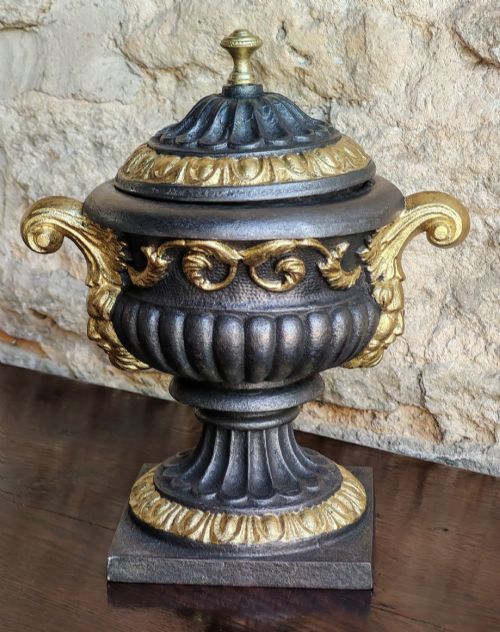
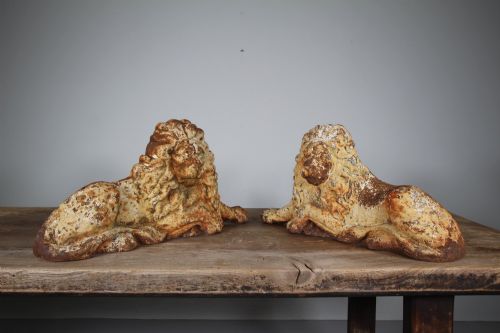
When you search for decorative metal ornament, you find cast metal sculptures, garden urns and tabletop vessels spanning the nineteenth and early twentieth centuries.
Decorative Metal Ornament
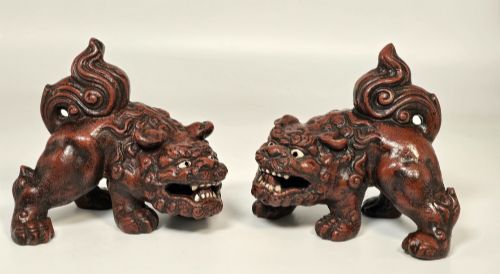
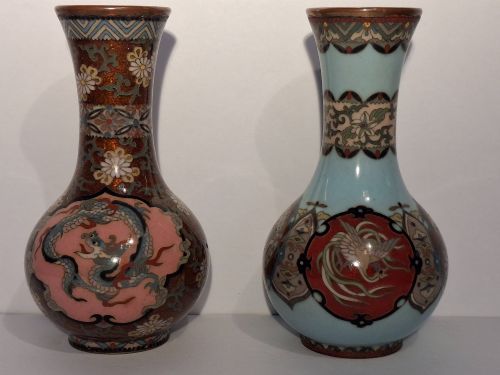
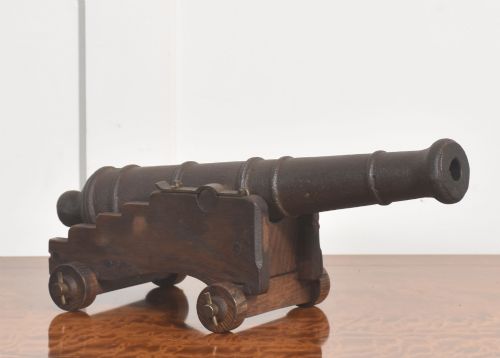
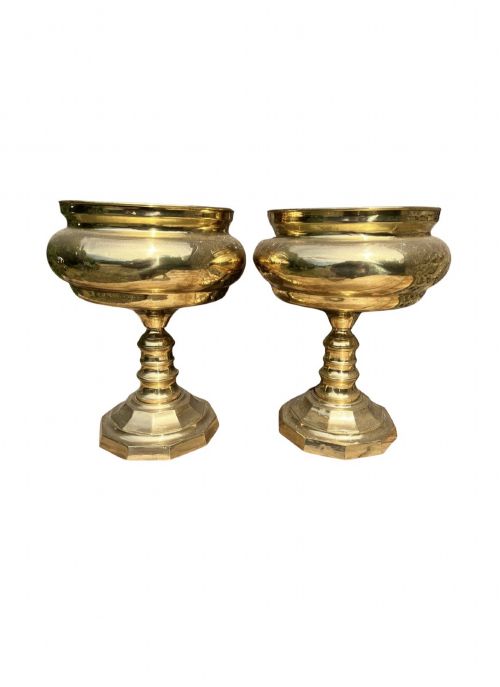
A decorative metal ornament covers a diverse group of objects designed for display, including bronze studies, cast iron garden planters, brass ewers and miniature suits of armour. The selection ranges widely in form from French Chinoiserie foo dogs and Japanese Meiji period vases to Victorian doorstops and Edwardian desktop obelisks.
Most items you encounter date from the nineteenth century through to the nineteen-thirties, with significant representation from the Victorian and Edwardian eras. These objects functioned as interior garniture sets, fireplace screens, garden ornaments and desk accessories, reflecting the eclectic tastes of their periods.
How they were made
Makers utilised casting techniques with metals such as bronze, brass, cast iron, copper and spelter, often mounting heavier items on marble bases or oak carriages. Many bronze and brass works incorporate detailed chasing or silvered finishes, while cast iron pieces frequently feature painted surfaces or weathered patination from outdoor placement.
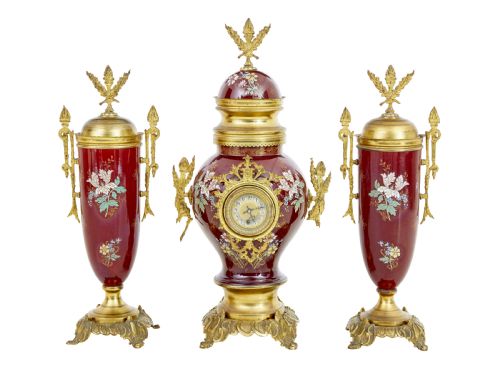
Specialised decorative methods appear across various pieces, including cloisonne enamel work on Japanese vessels and toleware finishes on French garniture sets. These varied construction methods dictated the weight, durability and intended placement of each ornament.
Decorative Metal Ornament Retail Price Guide 2026
Typical asking prices for decorative metal ornament among the pieces listed under this phrase on Sellingantiques today, from the lower quarter to the upper quarter. They describe what is for sale here now, not the wider market.
Form variations range from garden planters and campana urns to miniature suits of armour, animal studies and desktop obelisks.
What varies in quality
Material composition and original surface finishes also differentiate pieces within the range. Heavy cast weights, genuine bronze execution rather than spelter alternatives, and well-preserved patination or original paint elevate the character of an object.
Andrew Handyside·Lucien Madrassi·Jean Dunand·Tsukamoto Hikokichi
The Decorative Metal Ornament Glossary
- Spelter
- A zinc alloy commonly utilised as a less costly alternative to bronze for nineteenth-century figures and urns. It was often given a bronze-coloured finish to simulate more expensive metalwork.
- Campana
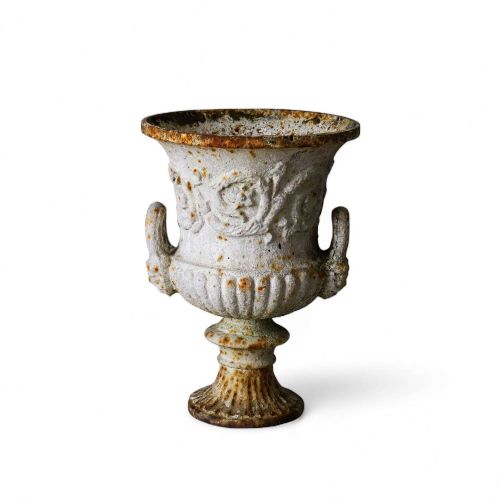
- A bell-shaped vessel form typical of classical garden urns and decorative vases. These pieces frequently appear in cast iron or spelter on stepped plinth bases.
- Cloisonne
- A decorative technique where enamel paste is applied within compartments created by soldered wire on a metal body. This method is prominent on Japanese Meiji period vases and bowls.
- Garniture
- A set of ornamental vases or vessels designed to be displayed together on a mantelpiece or sideboard. They typically comprise three or more matching pieces.
- Ormolu
- Gilt bronze ornamentation applied to furniture, clocks or decorative vessels. The technique involves coating bronze in a mercury-gold amalgam.
Decorative Metal Ornament: Frequently Asked Questions
What metals were used for these ornaments?
Makers utilised cast iron, bronze, brass, copper, spelter and silvered bronze across various object types. Some items also incorporate secondary materials such as marble bases, oak carriages or enamel.
Heavier metals like cast iron and bronze suited garden urns and large sculptures, while brass and spelter appeared more frequently in interior decorative objects.
How do I identify the period of a piece?
Stylistic indicators help date items, such as Neo-classical or French Empire motifs in the mid-nineteenth century, and Art Nouveau or Art Deco influences in early twentieth-century works. Material choices and manufacturing marks also provide clues to the era of production.
Victorian and Edwardian pieces often reflect revival styles like Egyptian Revival obelisks or French Chinoiserie figures, tying them to specific nineteenth and early twentieth-century design trends.
Were these items meant for indoor or outdoor use?
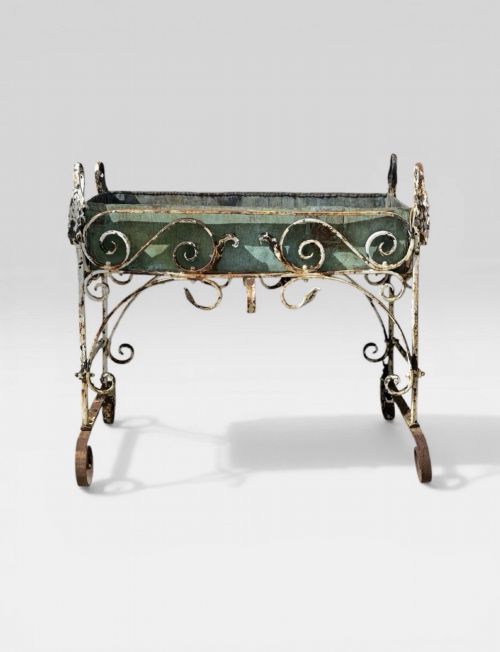
Usage depended entirely on the object's material and form, with robust cast iron garden urns, cannons and planters built for exterior placement. Weathered patination on these pieces often results from long-term garden exposure.
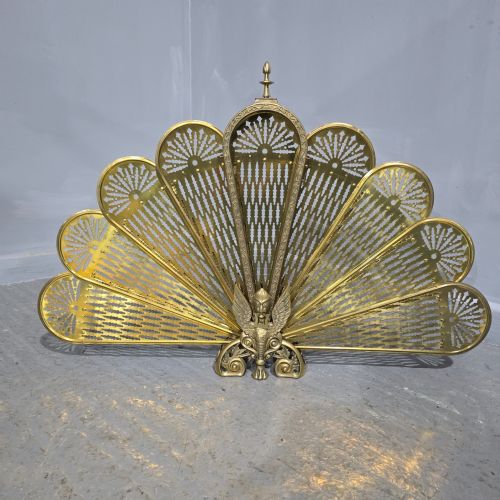
Conversely, delicate bronze studies, cloisonne vases, brass fire screens and desktop obelisks served strictly as interior decorative ornaments for parlours and studies.
What is the difference between bronze and spelter?
Bronze is a durable copper alloy that takes fine detail and develops a rich patination over time, making it suitable for high-end sculptures and Grand Tour tazzas. Spelter is a softer zinc alloy that was much cheaper to produce.
Spelter pieces were widely used for decorative figures and urns in the nineteenth century, often painted or electroplated to resemble genuine bronze.