



Decorative Metal Lighting
These pieces of decorative metal lighting bring substance and distinct period character to a room through solid brass, bronze, iron, and gilt finishes.
Decorative Metal Lighting
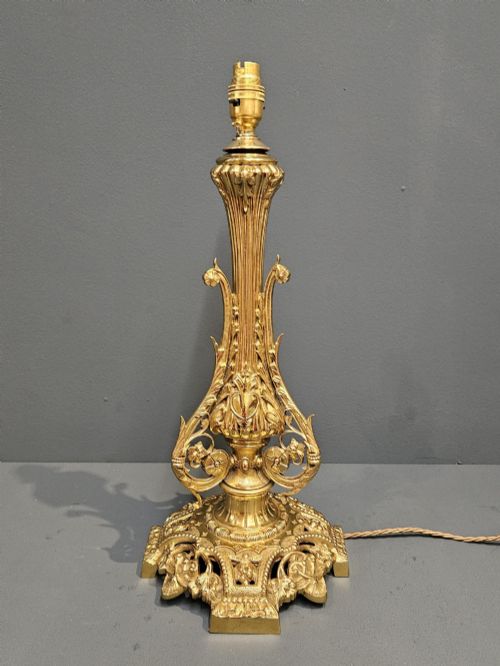
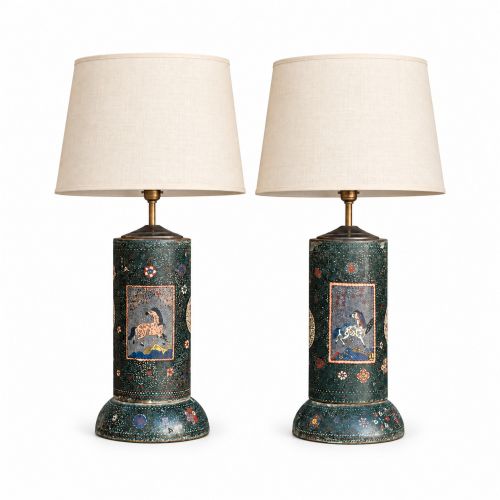
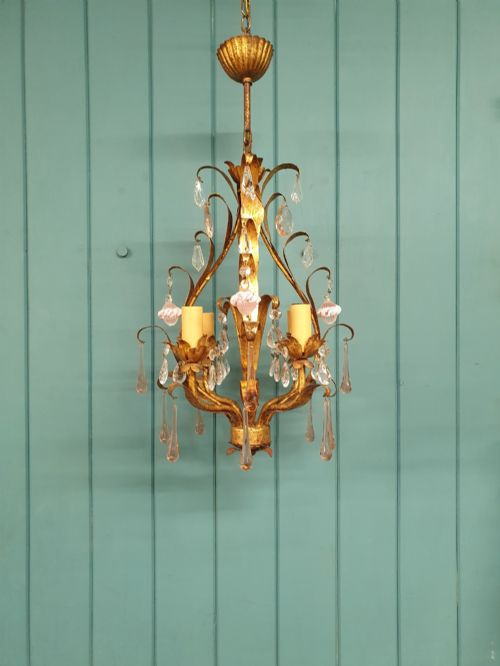
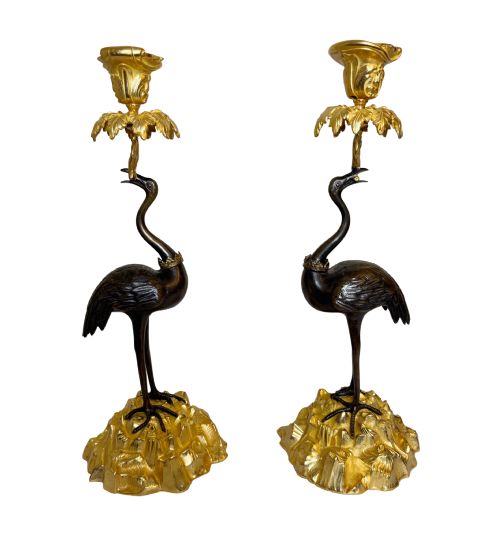
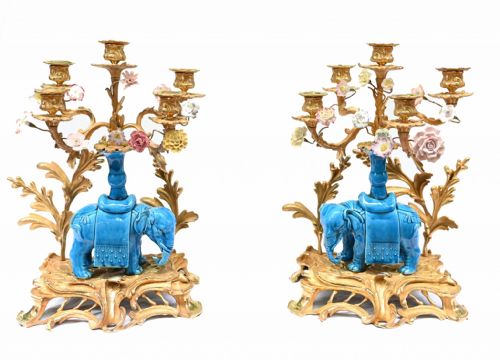
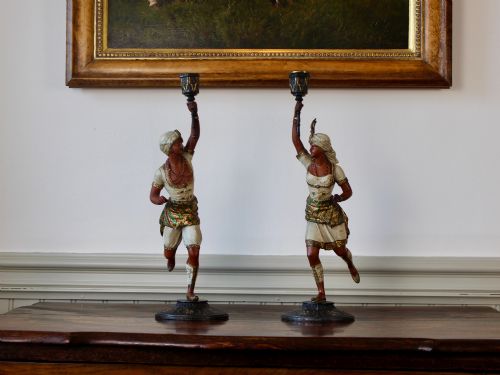
Decorative metal lighting encompasses practical fixtures and candle holders forged, cast, or worked from materials including brass, bronze, iron, ormolu, and gilt metal. When searching for decorative metal lighting, buyers encounter everything from modest candlesticks to grand chandeliers and wall sconces.
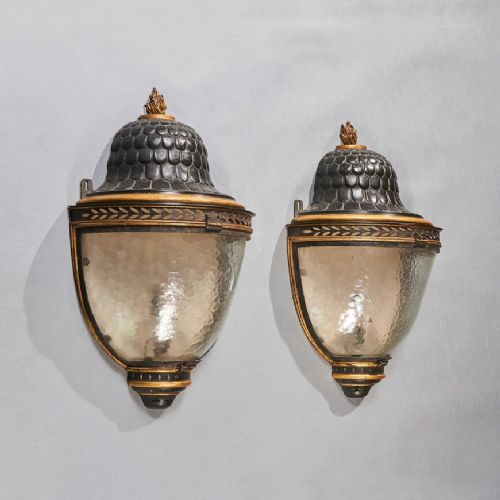
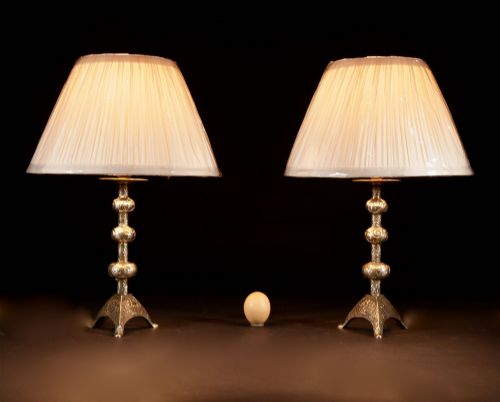
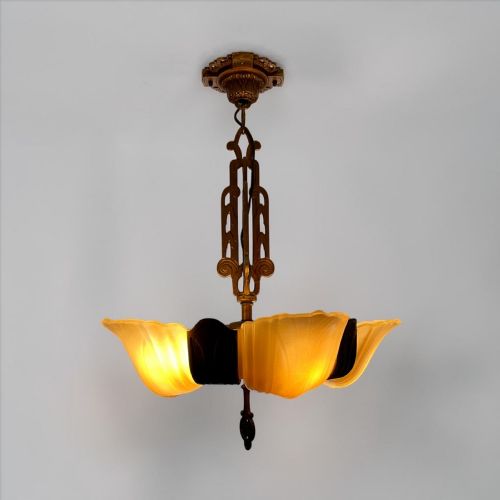
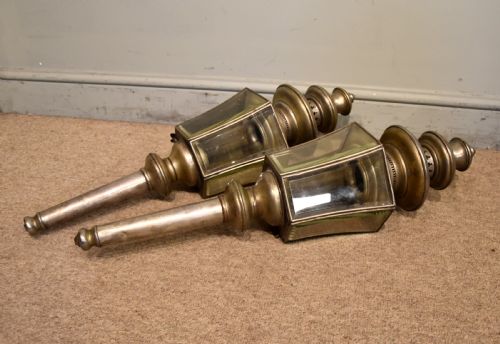
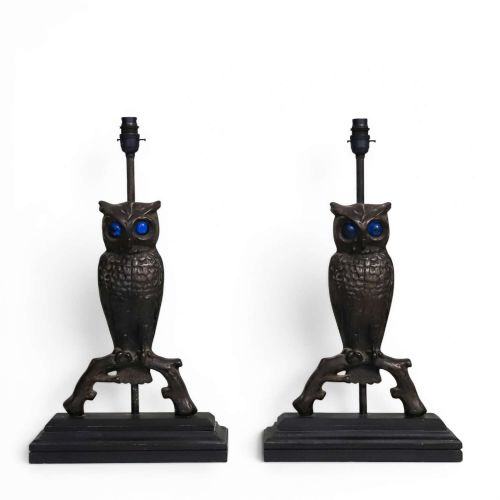
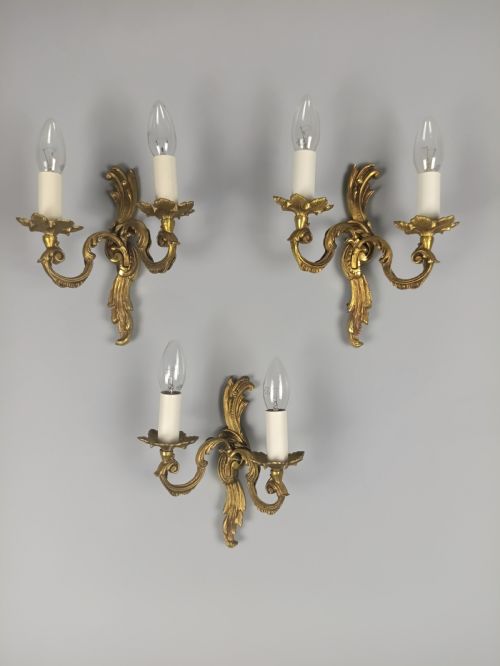
The selection ranges across several centuries and stylistic movements, featuring Victorian, Regency, Art Deco, Art Nouveau, Gothic Revival, and French neoclassical designs. Wall lights, table lamps, ceiling fixtures, and lanterns form the primary objects found within this category.
Pieces frequently originate from British, French, Italian, and American workshops, displaying diverse regional tastes in metalwork and illumination. Continental pieces often lean towards ornate gilt bronze and patinated finishes, while British and American examples showcase robust cast iron and functional brass.
Materials and construction
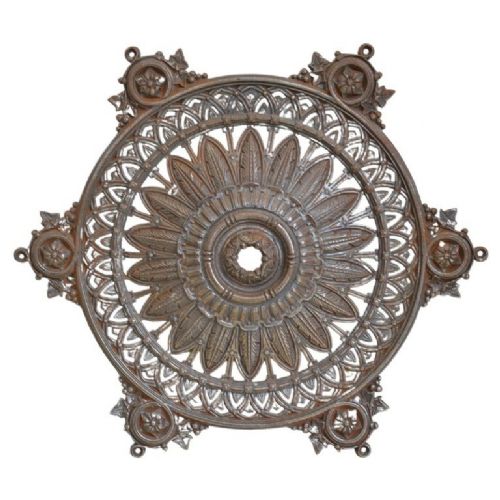
Foundry methods dominate the creation of these items, utilising techniques such as sand casting for heavy bronze, brass, and iron components. Skilled artisans then chased, engraved, or hand-finished the metal surfaces to sharpen details like foliage, animal motifs, and architectural moulding.
Gilding, ormolu, and painting added colour and surface variation to base metals like spelter, copper, and toleware. Many items integrate secondary materials, combining glass shades, marble bases, fabric elements, and porcelain details with the primary metal structure.
Decorative Metal Lighting Retail Price Guide 2026
Typical asking prices for decorative metal lighting among the pieces listed under this phrase on Sellingantiques today, from the lower quarter to the upper quarter. They describe what is for sale here now, not the wider market.
Listings feature items spanning the Victorian era, the Regency period, and the 1930s, constructed from brass, wrought iron, and gilt bronze.
Distinctions in quality
The precision of the casting and the crispness of the hand-chased surface detail separate finer items from simpler production pieces. Deep, uniform gilding and heavy, substantial metal gauges indicate higher grade workmanship compared to thin stampings or light alloy casts.
Original patination and intact structural integrity demonstrate superior preservation over time. The balance of proportions and the refinement of decorative motifs, such as cast figural elements or applied mounts, distinguish exceptional examples from standard workshop output.
The Decorative Metal Lighting Glossary
- Ormolu
- Gilded bronze, where a layer of gold amalgam is applied to a bronze base through heat processing. This technique creates a rich, enduring golden surface common on French decorative pieces.
- Spelter
- A zinc alloy frequently utilised as a less costly alternative to bronze for cast figures and candlesticks. It typically receives a painted, bronzed, or cold-painted finish to imitate heavier metals.
- Candelabra
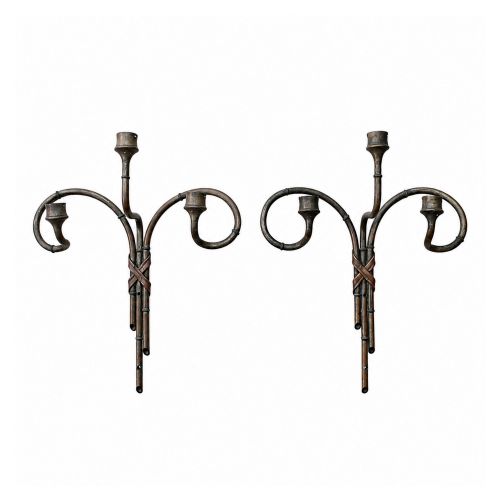
- A branched candlestick designed to hold multiple candles simultaneously. These pieces often feature elaborate arms radiating from a central stem.
- Girandole
- An ornamental branched wall light featuring a mirrored backplate to reflect and amplify the candle illumination. They frequently appear in pairs during the eighteenth and nineteenth centuries.
Decorative Metal Lighting: Frequently Asked Questions
How do I safely rewire antique metal lamps?
Historic metal lamps and chandeliers generally require modern internal wiring to meet current safety standards. A qualified electrician can thread contemporary flex through existing channels without altering the visible exterior structure.
Original switches and lampholders should be retained where possible to preserve the historical integrity of the piece. Earth grounding must be verified on all metal bodies during the conversion process.
Can I mix different metal finishes in one room?
Combining brass, bronze, iron, and gilt finishes creates a layered interior rather than a rigid match. The common thread of period craftsmanship unites varied metallic tones within a single space.
Repeating a specific metal at different heights around the room helps anchor the overall decorative scheme. Patinated surfaces and aged patinas blend together more easily than bright, modern plating.
How do I clean antique brass and bronze safely?
Dusting with a dry, soft microfiber cloth prevents the accumulation of grime on detailed metal surfaces. Avoid harsh commercial polishes that strip away aged patinas and damage delicate gilt or cold-painted details.
Warm water with a mild, pH-neutral soap on a damp cloth removes stubborn dirt from solid cast items. Thorough drying is essential immediately after cleaning to prevent spotting or corrosion.
What is the difference between a sconce and a wall light?
A wall sconce specifically describes a bracket fixture designed to hold candles or direct light upward from a wall. Historically, the term applied to candle holders with protective backplates.
Wall lights represent a broader category that includes wired electric fixtures, lanterns, and swing-arm lamps attached to vertical surfaces. Many older sconces undergo careful conversion to electricity while retaining their original wall-mounted brackets.