



Decorative Metal Light
A decorative metal light brings warmth and period character to a room through lasting craftsmanship.
Decorative Metal Light
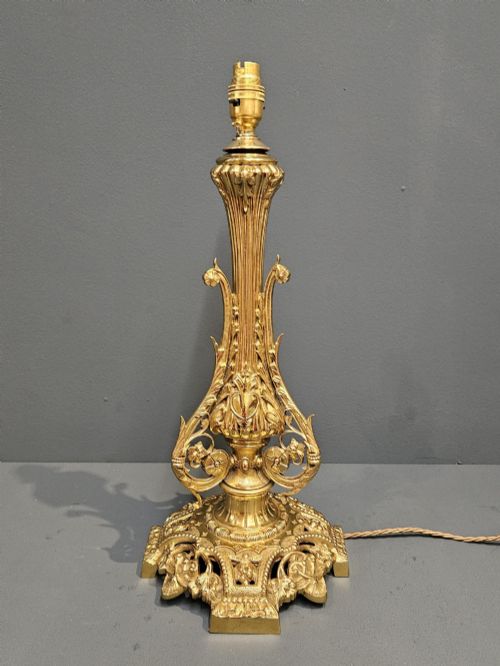
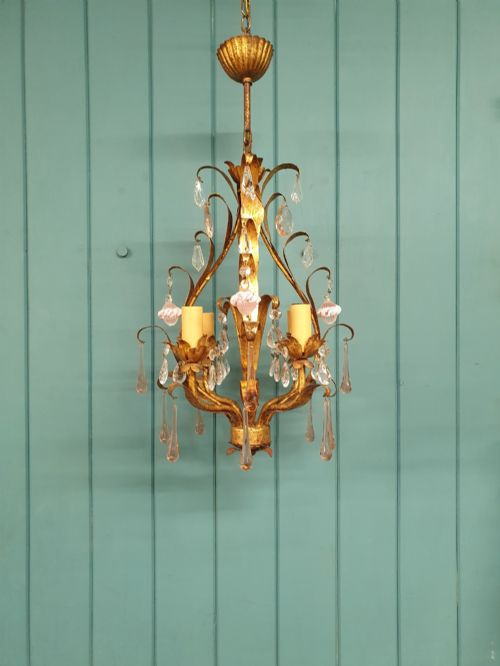
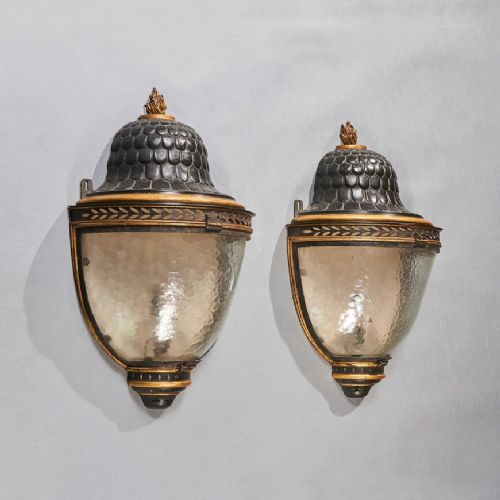
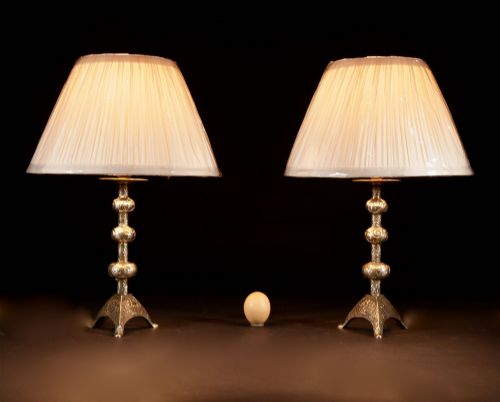
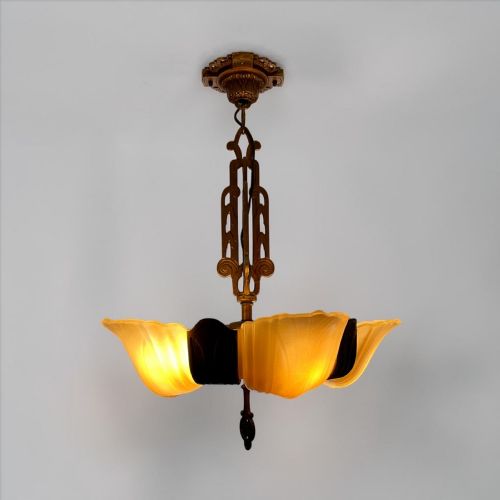
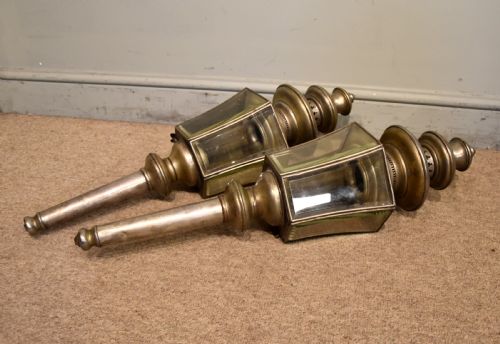
When you search for a decorative metal light, you encounter a wide selection of antique fixtures designed to illuminate interiors through functional illumination and sculptural presence. These pieces range from grand chandeliers and wall sconces to practical table lamps and hall lanterns.
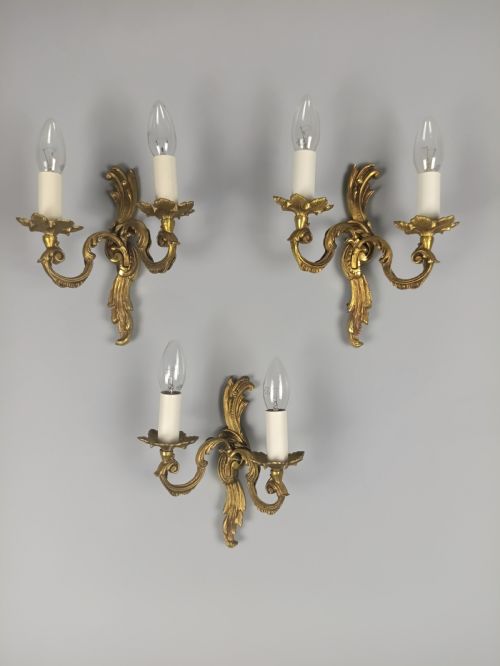
The selection on this page draws from diverse eras including the Victorian period, Regency style, and the early twentieth century. You will frequently find French and American examples alongside British pieces, spanning styles from Art Deco and Art Nouveau to Gothic Revival and French Neoclassical.
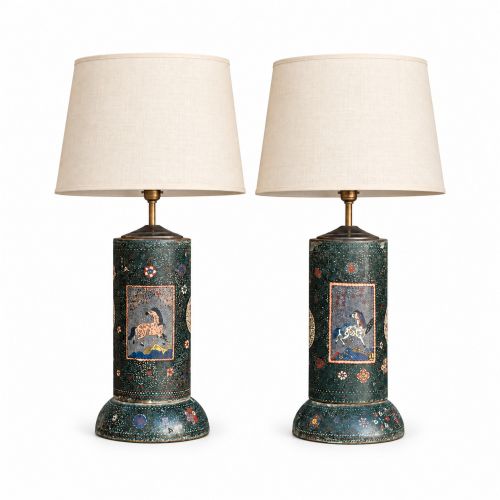
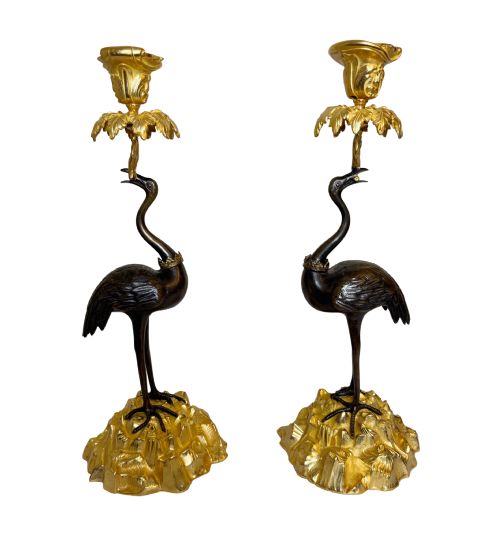
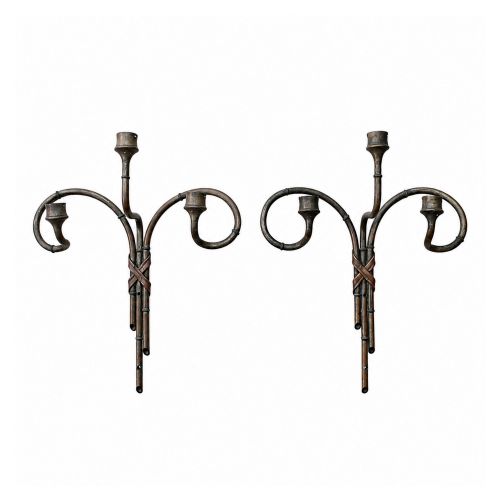
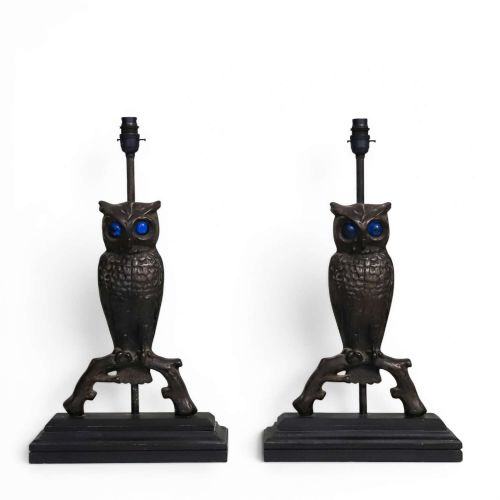
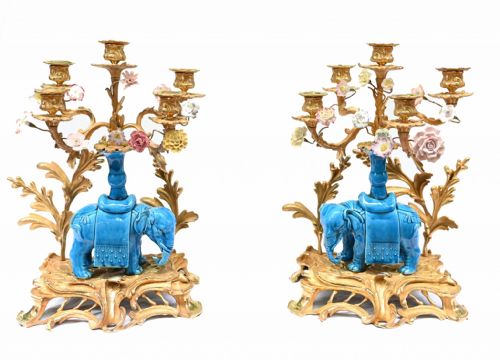
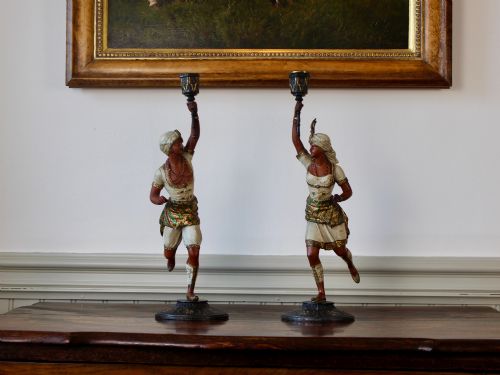
Forms vary from converted andirons and tea canisters to elaborate multi-arm candelabra and hanging lanterns. Each item serves as both a source of light and a distinct decorative object for domestic spaces.
How they were made
Makers utilised a variety of durable metals such as brass, bronze, cast iron, copper, and wrought iron as the foundational structure for these light fixtures. Gilt metal, ormolu, and silver plating were frequently applied to provide a lustrous surface finish.
Many items incorporate secondary materials like glass drops, fabric shades, white marble, and porcelain elements to complement the metallic framework. Surface decoration often involved cold painting, polychrome details, and intricate cast motifs such as floral patterns or animal figures.
Decorative Metal Light Retail Price Guide 2026
Typical asking prices for decorative metal light among the pieces listed under this phrase on Sellingantiques today, from the lower quarter to the upper quarter. They describe what is for sale here now, not the wider market.
Some owls found a second life keeping watch indoors after starting out as heavy fireplace andirons.
What varies in quality
The degree of detail in the casting and chasing separates standard utilitarian items from finer decorative pieces. Crisp relief work on bronze or ormolu mounts and careful hand-painting on toleware indicate superior workshop execution.
Integrity of construction and the retention of original components, such as glass drops or matched wall brackets, influence the overall standard of a fixture. Pieces that preserve their authentic patination and period wiring adaptations reflect higher integrity.
The Decorative Metal Light Glossary
- Ormolu
- Gilded bronze, where a layer of gold is applied to a bronze base using mercury amalgamation or electrochemical techniques. It provides a bright, durable golden finish popular in French decorative arts.
- Toleware
- Lacquered or enamelled metalware, frequently painted with floral or polychrome designs. This technique was commonly applied to decorative lanterns and chandeliers.
- Girandole
- An ornamental branched candlestick or light fixture designed to be mounted on a wall, often featuring a mirror backplate to reflect illumination. These fixtures add depth and light to interior spaces.
- Candelabra
- A branched candlestick holding multiple candles or adapted later to hold electric lights. They range from simple brass pairs to elaborate porcelain and gilt metal formations.
- Spelter
- A zinc alloy used as a less expensive alternative to bronze for casting sculptural figures and candlesticks. It is often painted or bronzed to simulate more costly metals.
Decorative Metal Light: Frequently Asked Questions
How do I clean a brass light?
Dust the metal gently with a soft, dry cloth to remove surface particles without disturbing the underlying patination. Avoid harsh chemical cleaners that can strip away historic finishes or damage applied gilding.
For intricate castings, use a soft-bristled brush to clear crevices. Preserving the natural age of the metal generally maintains the character of the antique.
Can old lanterns be wired for electricity?
Many hanging and wall lanterns are successfully converted to modern electrical standards to suit contemporary domestic use. Skilled electricians can run wiring discreetly through the original structure without altering visible exterior surfaces.
Retaining the original aesthetic while updating internal components allows historic fixtures to function safely in modern rooms.
What is the difference between ormolu and gilt bronze?
Ormolu specifically refers to gilded bronze objects created during the eighteenth and nineteenth centuries, particularly in France. The term describes the high-status golden finish achieved on decorative mounts and lighting fixtures.
Gilt bronze is a broader descriptive term for any bronze object coated in gold leaf or wash. Both materials provide a rich metallic sheen that resists tarnishing.