



Decorative Metal Figures
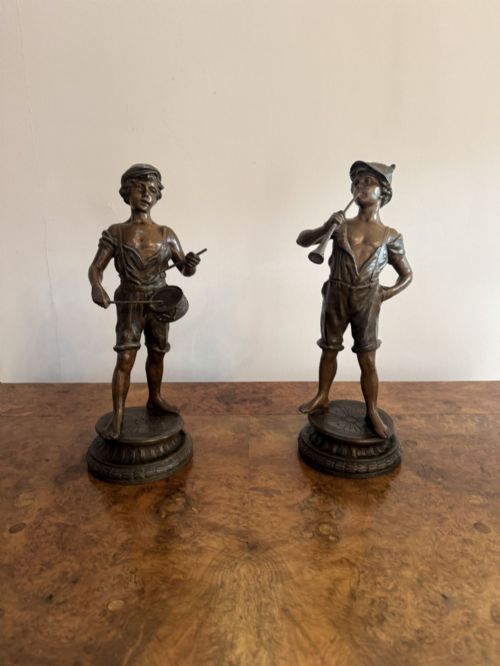
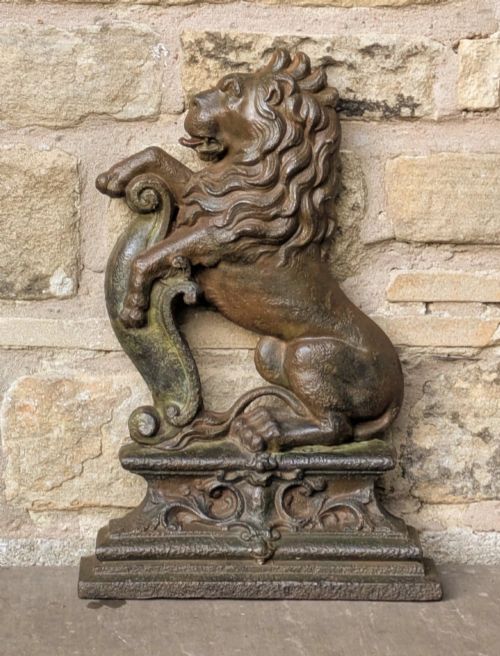
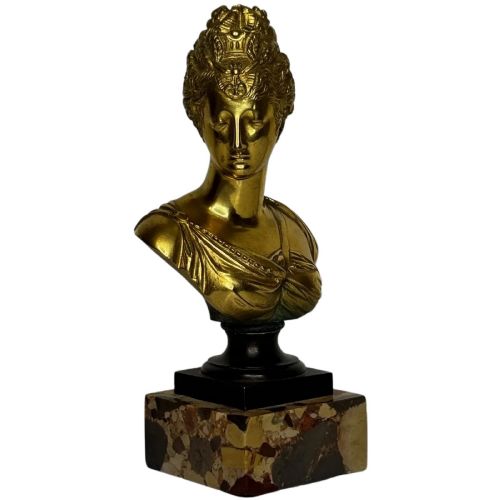
These decorative metal figures bring character to a room, ranging from cast iron doorstops to gilt bronze busts spanning the nineteenth and twentieth centuries.
Decorative Metal Figures
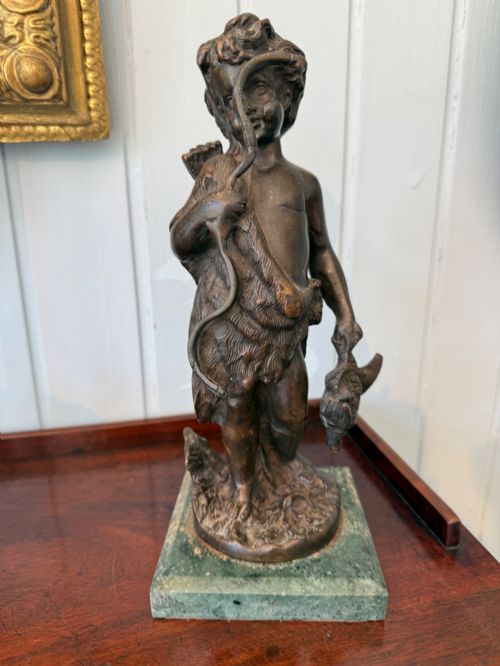
When you search for decorative metal figures, you encounter a diverse array of sculptural objects designed for utility and display across the nineteenth and twentieth centuries. These pieces encompass everything from bronze cherubs and mythological portraits to cast iron doorstops and figural lamps.
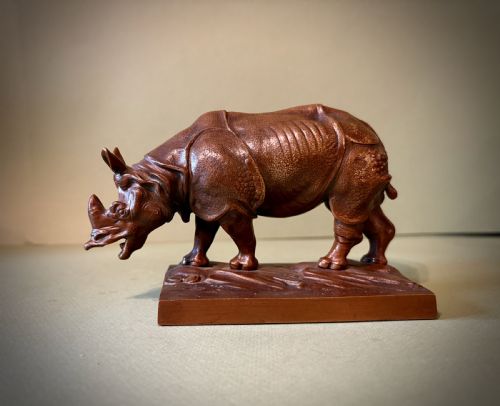
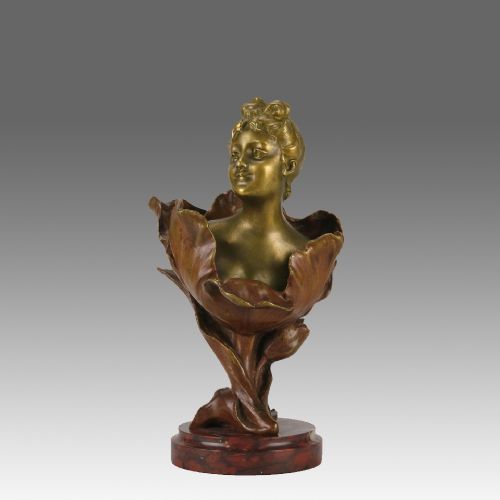
The selection on this page leans heavily into Victorian and early twentieth-century examples, including Art Deco bookends and Art Nouveau models. You will find items shaped as animals, human figures, and architectural details, reflecting both European workshops and eastern traditions.
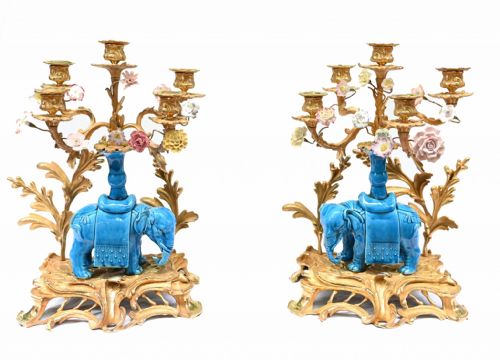
Functional pieces such as candlesticks, tazzas, and doorstops sit alongside pure sculptures and wall plaques. This mix demonstrates how ornamental metalwork served domestic interiors through various stylistic revivals.
How They Were Made
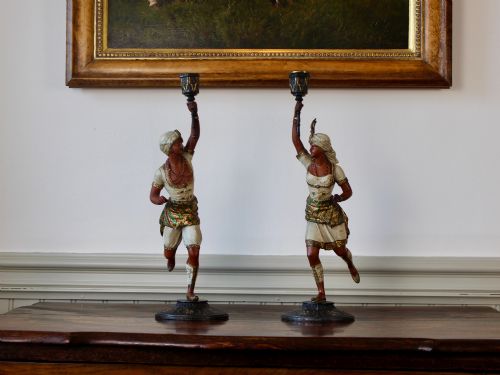
The makers utilised casting techniques in bronze, spelter, brass, and cast iron to achieve intricate detail in these figures. Molten metal poured into moulds allowed artisans to produce everything from heavy doorstops to delicate cold-painted spelter models.
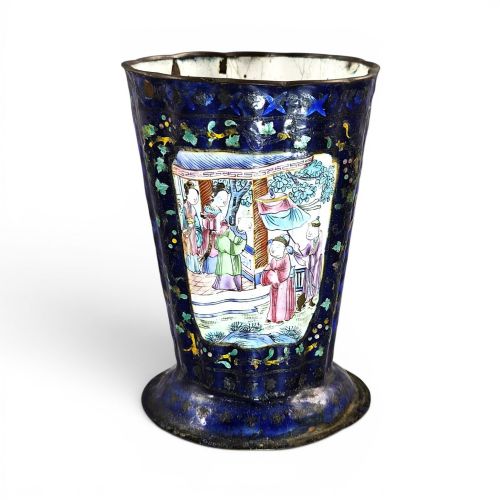
Surface finishes define many pieces, employing gilt bronze, silver plating, cold painting, and enamel work to add colour and texture. Artisans mounted several figures on marble or wooden bases to provide stability and visual contrast.
Decorative Metal Figures Retail Price Guide 2026
Typical asking prices for decorative metal figures among the pieces listed under this phrase on Sellingantiques today, from the lower quarter to the upper quarter. They describe what is for sale here now, not the wider market.
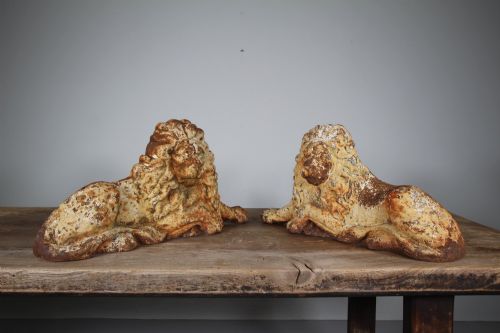
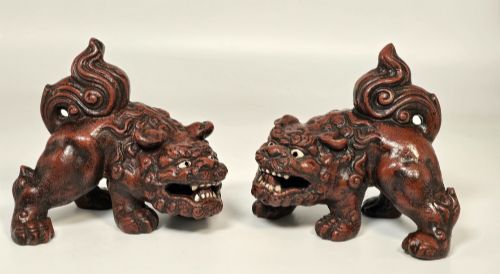
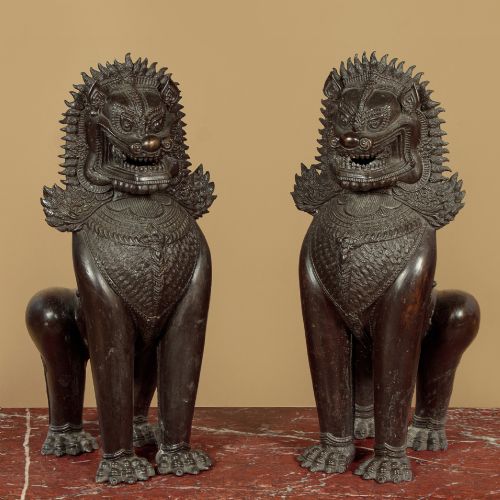
Mr Punch and cast iron foo dogs stand ready to guard your doors alongside bronze cherubs and quiet squirrels.
What Varies in Quality
The integrity of the original surface finish dictates the standing of a piece. Original cold painting, mercury gilding, or patination maintained without heavy restoration preserves the intended character of the metal.
Henri Godet·Fabergé·P.Sega·Coalbrookdale
The Decorative Metal Figures Glossary
- Spelter
- A zinc alloy frequently utilised as a less expensive alternative to bronze for nineteenth-century figures. It often received a bronze-coloured or painted finish to mimic more costly metals.
- Cold-painted
- A technique where paint is applied to a metal object without subsequent firing in a kiln. This finish appears frequently on Austrian and continental figures.
- Gilt bronze
- Bronze that has been coated with a thin layer of gold using mercury amalgamation or electroplating. It provides a bright, lasting metallic lustre.
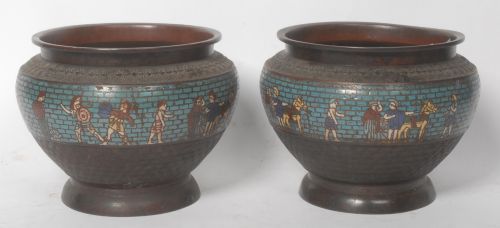
- Cloisonne
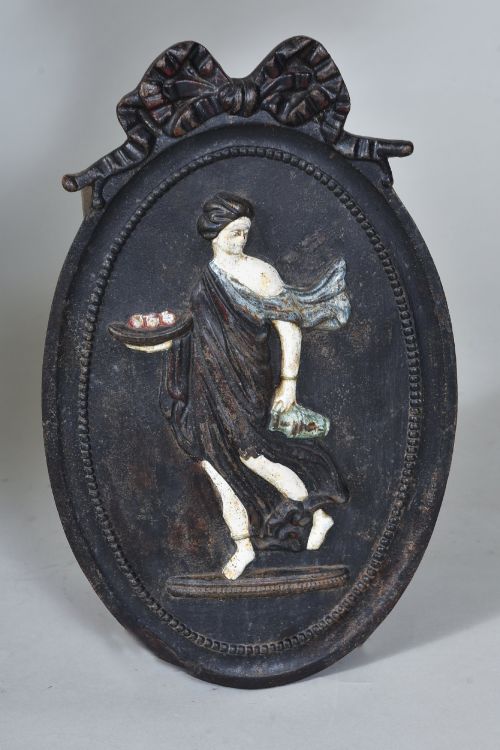
- An ancient technique for decorating metalwork objects with coloured glass paste placed within wire compartments. Japanese plates on this page display this colourful method.
- Patina
- The surface sheen and colour acquired by metal through age and handling. Collectors value an undisturbed patina for its historical honesty.
Decorative Metal Figures: Frequently Asked Questions
How do I distinguish bronze from spelter?
Spelter is lighter and softer than bronze, often revealing a greyish or silvery metal underneath worn areas of paint. Bronze offers greater weight, a resonant ring when tapped gently, and a deeper warm tone beneath the patina.
Examining the underside or areas of wear helps clarify the material. Spelter figures commonly show casting seams that are easier to file down due to the softness of the alloy.
What is cold painting?
Cold painting involves applying oil paints or enamels to a metal figure without firing the piece in a kiln. This method was widely used on Austrian bronzes and spelter ornaments to create vibrant, lifelike colours.
Because the paint is not fused to the metal by heat, these surfaces require careful handling to prevent flaking. Surviving original paint substantially adds to the character of a figure.
How were figural doorstops used?
Cast iron and bronze doorstops served a practical purpose in large homes by propped heavy interior doors open against drafts. Makers shaped them into figures like Mr Punch, animals, and cherubs to blend utility with home decoration.
Their heavy bases provided the necessary weight to hold doors steady. Today, collectors display them on floors, hearths, or shelves as sculptural art.
How do I care for antique metal figures?
Dusting with a soft, dry cloth is usually sufficient to maintain metal figures. Avoid commercial chemical cleaners that can strip away the aged patina or damage delicate cold-painted surfaces.
Keeping pieces away from direct moisture and extreme temperature fluctuations protects both the metal base and any mounted wooden or marble elements.