




Decorative Metal Chalice
These decorative metal chalice pieces bring classical form and heavy substance to a room, offering tactile connection to historical metalwork.
Decorative Metal Chalice
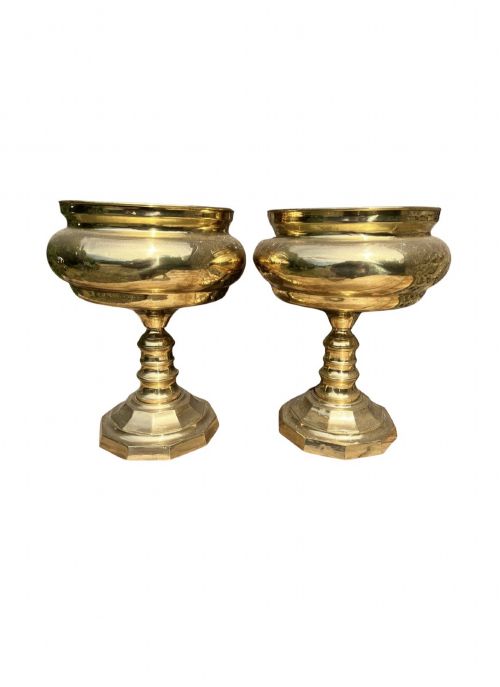
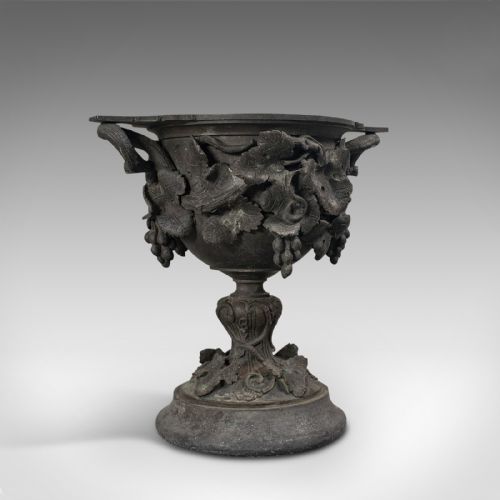
A decorative metal chalice encompasses drinking vessels, pedestal cups, and classical urns drawn from nineteenth century revivals and earlier stylistic traditions. When searching for a decorative metal chalice, buyers encounter items ranging from Victorian brass goblets to Grand Tour bronze vessels and Arts and Crafts pedestal bowls.
The objects span periods from the Georgian era through Victorian production and into early twentieth century Arts and Crafts workshops. Forms include campana shapes, handled trophy vases, and enamelled cabochon set chalices reflecting French Rococo, Neoclassical, and Celtic Revival influences.
How they were made
Materials recorded in the evidence centre upon metals such as bronze, brass, copper, and pewter, often combined with green marble bases or accented with gilt bronze and enamel. Pieces employ patination techniques to darken surfaces or apply bright gilding to highlight cast classical ornament.
Construction relies on metal casting, raising, and hand-finishing, with applied elements like enamelled cabochons integrated into Arts and Crafts copper vessels. Grand Tour pieces utilise cast bronze, whilst nineteenth century domestic items deploy spun or cast brass and pewter.
Decorative Metal Chalice Retail Price Guide 2026
Typical asking prices for decorative metal chalice among the pieces listed under this phrase on Sellingantiques today, from the lower quarter to the upper quarter. They describe what is for sale here now, not the wider market.
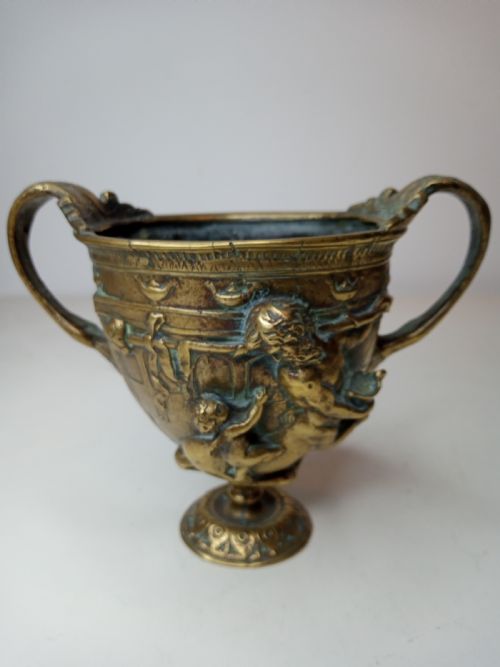
Several Victorian drinking cups emerge directly from the Italian Grand Tour trade, allowing travellers to haul ancient Rome back in their luggage.
What varies in quality
Quality rests upon the crispness of the casting and the depth of the metalwork finish, distinguishing mass-produced nineteenth century wares from finely chased Grand Tour bronzes. The integrity of patination and the careful setting of enamel cabochons elevate an example.
Weight and structural proportion also separate standard production from superior pieces, particularly in pairs of heavy bronze drinking cups or substantial pedestal bowls.
The Decorative Metal Chalice Glossary
- Grand Tour
- Souvenirs purchased by travellers on educational journeys through Europe, typically comprising miniature bronzes and classical urns. These objects replicate ancient artefacts.
- Campana
- An inverted bell-shaped vessel with a flared rim and footed base, common in classical urns and bronze chalices. The profile derives from ancient pottery.
- Cabochon
- A polished, convex gem or enamel stone cut without facets, frequently set into metalwork mounts. Arts and Crafts pieces utilise them for colour.
- Kantharos
- An ancient Greek cup type with two high-swung handles and a deep bowl, recreated in nineteenth century brass. These pieces reference classical drinking vessels.
- Patination
- The surface coloration developed naturally through age or applied chemically to bronze and copper. This finish defines the visual character of antique metal.
Decorative Metal Chalice: Frequently Asked Questions
What periods do these metal vessels cover?
The pieces span from the Georgian period through the Victorian era and into early twentieth century production. Surviving examples reflect nineteenth century historicism alongside earlier neoclassical revivals.
Maker dates and stylistic markers place objects across diverse decades without relying on uniform manufacture.
How were these chalices used historically?
Many function as decorative display objects, trophy vases, or grand tour souvenirs rather than active drinking vessels. Heavy bronze and brass pieces served ornamental roles in period interiors.
Specific forms like pedestal bowls and covered urns were designed to accentuate domestic spaces.
Which metals are most common?
Bronze and brass appear frequently, alongside copper, pewter, and gilt bronze variations. Green marble occasionally forms the base for heavy bronze items.
Enamel cabochons provide colour accents on specific Arts and Crafts copper and pewter designs.
What styles influence these designs?
Neoclassical, French Rococo Revival, Arts and Crafts, and Celtic Revival provide the primary stylistic frameworks. Grand Tour pieces draw heavily from classical antiquity and Italian sculpture.
Victorian manufacturing embraces historicist revivals across both domestic and decorative metalwork.