




Decorative Metal Bucket
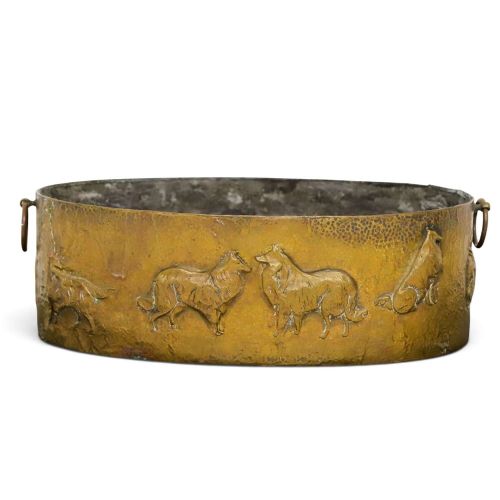
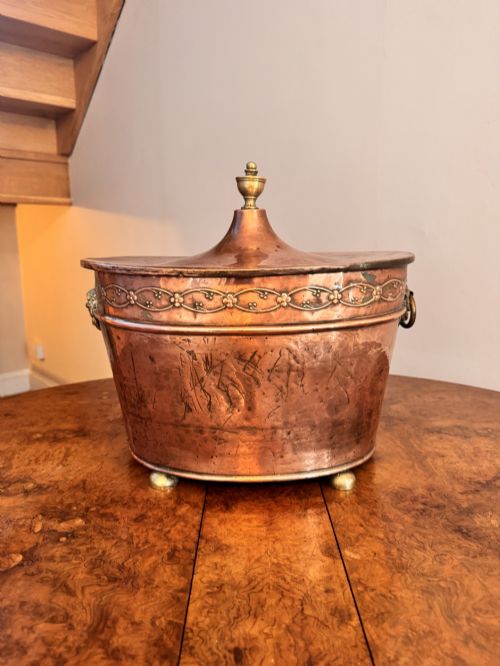
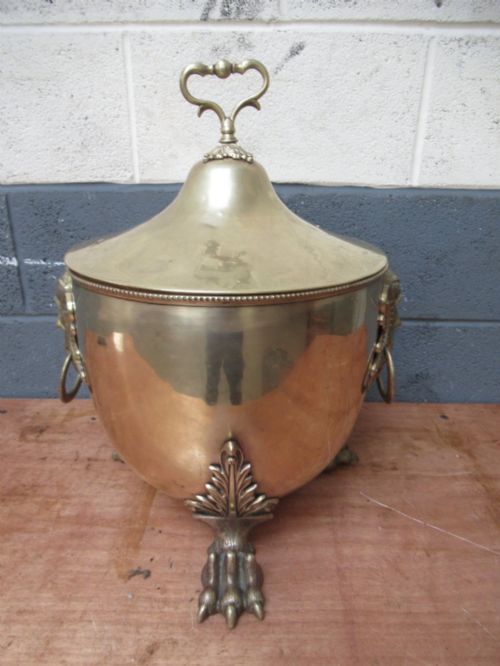
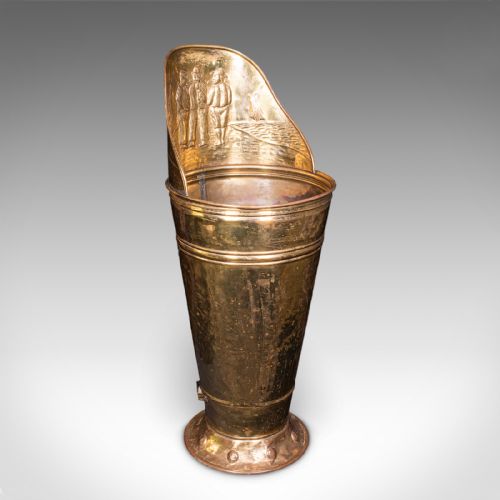
These decorative metal bucket examples are substantial vessels of brass and copper shaped for fireside service and indoor planting.
Decorative Metal Bucket
When you search for a decorative metal bucket, you encounter heavy functional vessels spanning the eighteenth century through to the Edwardian period and the 1920s. These pieces include coal buckets, log bins, planters, jardinières, wine coolers, stick stands, and trophy vases.
The selections on this page lean heavily toward nineteenth-century and early twentieth-century examples in brass and copper. You will frequently find Arts and Crafts hammered pieces alongside Dutch traditional designs and French revival vessels.
How they were made
Makers utilised sheet metals such as brass, copper, wrought iron, and japanned tinware to construct these robust utilitarian containers. Techniques ranged from hand-hammering and chiselling to joining metal plates with visible rivets.
Decorative Metal Bucket Retail Price Guide 2026
Typical asking prices for decorative metal bucket among the pieces listed under this phrase on Sellingantiques today, from the lower quarter to the upper quarter. They describe what is for sale here now, not the wider market.
Materials represented include wrought iron, japanned tinware, gilt brass, and sheet iron applied to domestic vessels.
What varies in quality
The gauge of the metal dictates the structural integrity of the vessel, with heavier brass and copper walls resisting dents and supporting heavy loads of coal or logs. Finer examples display deliberate hand-hammering and secure handle attachments rather than machine stamping.
Artistic execution separates standard utilitarian items from superior decorative pieces, seen in crisp chased details, classical casting quality, and well-preserved japanned decoration. Original handles, feet, and liners enhance the integrity of the object.
The Decorative Metal Bucket Glossary
- Japanned tinware
- Sheet iron coated with resin-based varnishes and heat-cured to produce a glossy black or decorated finish. This technique mimics East Asian lacquer work.
- Jardinière
- An ornamental pot or stand designed to hold growing plants or floral arrangements. They are frequently fashioned in heavy brass or copper.
- Dinanderie
- A term for various articles of brass, copper, and bronze produced in towns along the Meuse Valley. It often describes heavier antique vessels with patinated surfaces.
- Trophy vase
- A large two-handled vessel modelled on classical athletic prizes. In metalwork, these function as decorative display pieces.
- Pontypool type
- Japanned tinware originating from Welsh manufacturing centres famous for metal plate decoration. Pieces often feature painted floral motifs.
Decorative Metal Bucket: Frequently Asked Questions
What were decorative metal buckets used for?
These vessels served practical domestic roles near the hearth, holding coal, logs, or peat for the fire. Many were also employed as wine coolers or interior planters for large flora.
Over time, their decorative qualities shifted them from utility rooms into formal reception spaces as umbrella stands and display pieces.
How do I date a brass bucket?
Dating relies on examining the construction methods, handle attachments, and material thickness alongside the prevailing stylistic motifs. Hand-hammered surfaces and riveted joints often point to Arts and Crafts or earlier periods.
Cast brass mounts, neoclassical shapes, and crisp chasing typically suggest Regency or Victorian workshop origins.
Are copper and brass buckets waterproof?
While metal construction holds liquids or wet soil, antique vessels may have seams or historical repairs that compromise their water retention. Using an internal liner protects the original metal from corrosion and moisture damage.
Inspect the interior for soldered joints or modern inserts if you intend to use a jardinière for live plants.
How do I clean an antique metal bucket?
Dusting with a dry cloth preserves the aged patination that collectors value on older brass and copper surfaces. Aggressive polishing removes the historical depth of the metal and diminishes its character.
Consult a specialist before applying any chemical cleaners to japanned tinware or painted surfaces to avoid permanent damage.