




Decorative Metal Bin
These decorative metal bins and vessels combine utility with craftsmanship, offering robust materials shaped for the hearth and home.
Decorative Metal Bin
A decorative metal bin serves practical domestic roles while bringing metallic warmth to an interior. Buyers searching for a decorative metal bin often find functional items reimagined from industrial or fireside roots.
The selections span the nineteenth century through the early twentieth century, encompassing Victorian and Arts and Crafts aesthetics. Common forms include coal buckets, planters, tea canisters, and log bins.
Brass and copper dominate the available items, frequently accented with wrought iron or paint. These pieces transition easily from active fireside service to decorative storage within a room.
How they were made
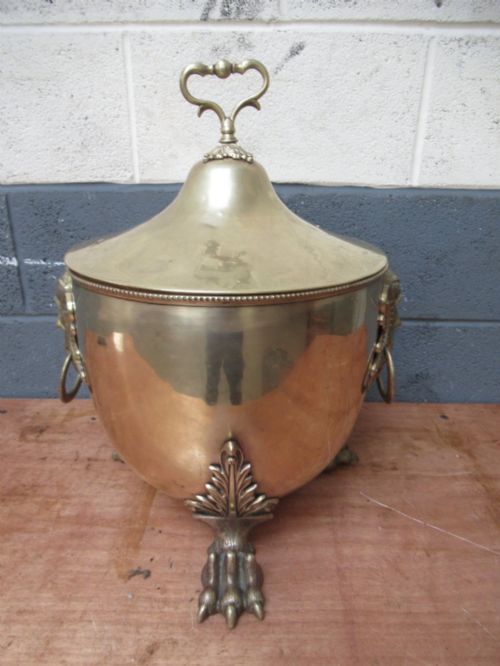
Craftsmen utilised brass and copper sheets, shaping them through hammering and joining techniques to create sturdy vessels. Wrought iron provided structural support and decorative contrast on specific coal receivers.
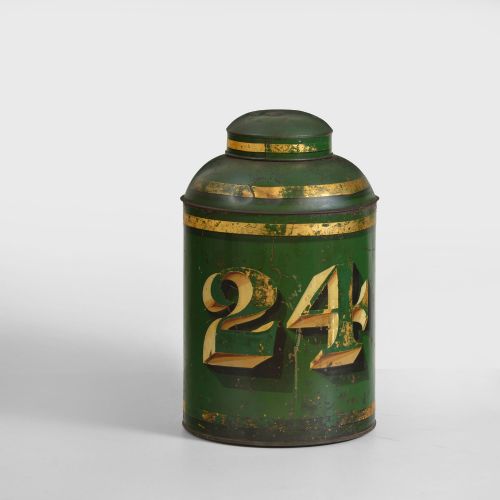
Surface treatments included hand-hammered textures, applied paint, and gilt details like gold leaf. Toleware items incorporated painted tinplate, blending durability with refined surface decoration.
Decorative Metal Bin Retail Price Guide 2026
Typical asking prices for decorative metal bin among the pieces listed under this phrase on Sellingantiques today, from the lower quarter to the upper quarter. They describe what is for sale here now, not the wider market.
The listings span the 1860s through the 1920s, featuring brass, copper, wrought iron, and paint.
What varies in quality
The integrity of construction distinguishes standard containers from superior examples, particularly in the thickness of the metal and the strength of the joints. Heavy-gauge copper and solid brass retain their structural form far better under daily domestic use.
Surface ornamentation and hand-finishing elevate certain items, such as deliberate hammering or careful patination. Details like wrought iron mounts and brass rims indicate deliberate attention to both utility and visual appeal.
The Decorative Metal Bin Glossary
- Dinanderie
- Brass or copper objects produced in Belgium and Northern France, known for beaten and incised decorative work. This term often applies to heavy medieval-style vessels.
- Toleware
- Enamelled or painted tinplate objects popular in the eighteenth and nineteenth centuries. The technique involves applying lacquer to metal before decoration.
- Tea Canister
- A lidded container originally used for storing tea leaves. Antique examples often feature painted finishes or maker labels from grocers' shops.
- Coal Bucket
- A heavy-duty container designed to hold solid fuel near a fireplace. They frequently feature swing handles and durable metal construction.
Decorative Metal Bin: Frequently Asked Questions
How were these metal bins used originally?
Many of these metal vessels served practical domestic functions around the home, particularly storing coal or peat by the hearth. Others held dry goods like tea in grocers' shops or served as planters.
Over time, their robust construction and decorative appeal allowed them to transition into general storage and display pieces within living spaces.
What metals are most common?
Brass and copper appear most frequently across these pieces, often combined with iron fittings or wooden elements. Tinplate and painted surfaces also feature in utilitarian items like canisters.
These materials were chosen for their durability and the attractive patinas they develop over centuries of handling.
How do I care for antique metal bins?
Maintenance depends entirely on the desired finish and the presence of applied paint or gold leaf. Dusting with a soft cloth preserves the existing surface without removing historical patination.
Harsh metal polishes should be avoided on pieces with original darkened patinas or painted decoration to maintain their historical integrity.
How do I identify the period of a metal bin?
Dating relies on stylistic clues such as Arts and Crafts hand-hammering, Regency classical proportions, or Victorian ornamentation. Material choices and construction methods also provide clear indicators of manufacturing eras.
Examining fixings like rivets and seams helps distinguish nineteenth-century handiwork from later revival pieces.