




Decorative Metal Bed Frame
A decorative metal bed frame brings striking form and enduring structure to a bedroom through cast iron, brass, and painted finishes.
Decorative Metal Bed Frame
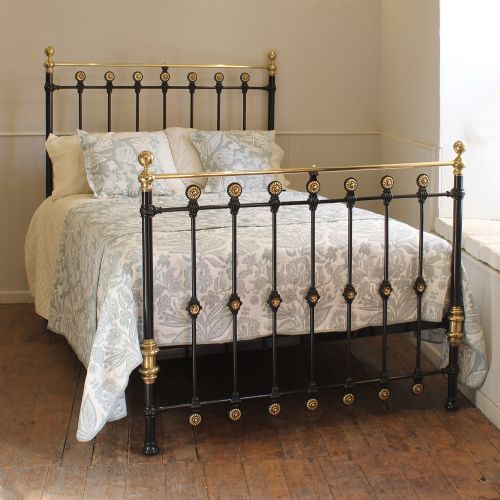
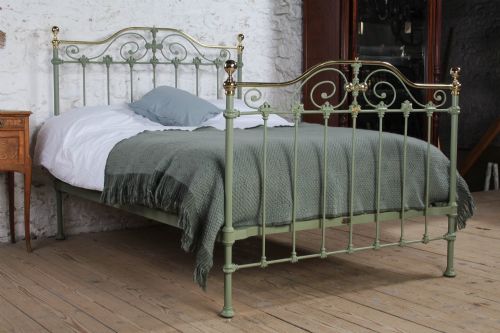
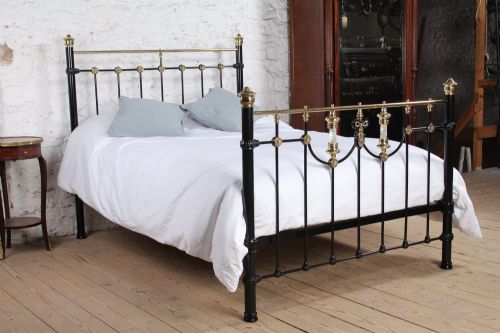
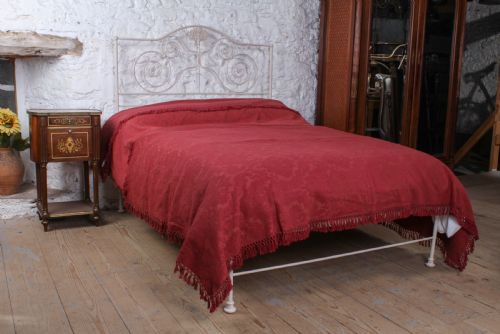
A decorative metal bed frame provides a robust yet ornamental sleeping structure shaped by Victorian, Art Nouveau, and traditional European designs. These pieces span single, double, and king sizes, often incorporating distinct foot and headboards.
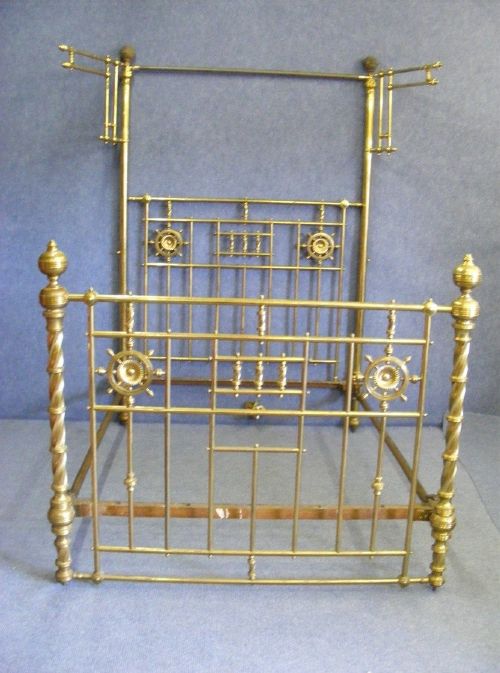
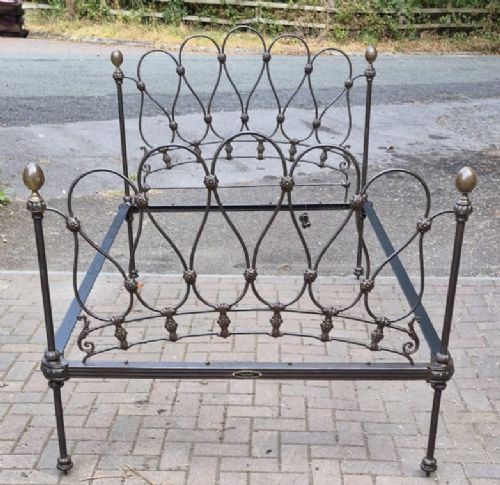
The most common examples on this page are Victorian brass and iron bedsteads, frequently featuring ornate castings and painted metal surfaces. Other variations include half tester canopies, four posters, and forged iron frameworks.
Origins range across British, Portuguese, and Italian workshops, reflecting diverse regional aesthetics from the mid-nineteenth century into the early twentieth century. Each bedstead demonstrates specific period characteristics, from curly iron scrolls to nickel plating.
Materials and construction
Construction relies heavily on cast iron and wrought iron for structural integrity, paired with polished or lacquered brass for decorative contrast. Components are joined through traditional foundry methods, utilising heavy castings and threaded brass fittings.
Finishes vary from original painted surfaces and black enamel to mother of pearl inlays and nickel plating. Forged iron elements show hand-working, whilst brass components are cast and turned to create detailed knobs and mounts.
The listings on this page span several decades, featuring cast iron, brass, and painted metal forms originating from the Victorian era up to the 1920s.
Assessing quality and character
Quality rests in the crispness of the iron castings and the substantial weight of the brass mounts rather than superficial shine. Finer pieces display intricate scrollwork, original paint effects, and well-preserved decorative inlays.
Structural completeness, such as retaining original side rails and matching brass finials, elevates a bedstead's integrity. Simpler utilitarian frames contrast with heavily ornamented Victorian Gothic or Art Nouveau examples.
Maple and Company
The Decorative Metal Bed Frame Glossary
- Bedstead
- A framework of a bed supporting the mattress and springs, distinct from modern freestanding bases. These often feature decorative headboards and footboards.
- Half Tester
- A canopy that extends only partway over the head of the bed, supported by posts attached to the headboard. This style was popular during the Victorian period.
- Four Poster
- A bed with four vertical columns supporting an upper canopy frame. These substantial frames are typically constructed in all-brass configurations.
- Cast Iron
- Molten iron poured into a mould to create rigid decorative shapes and structural components. It allows for intricate ornamentation on nineteenth-century bed ends.
- Nickel Plated
- A thin protective and decorative coating of nickel applied over an underlying metal base. This finish appears on early twentieth-century frames for a bright appearance.
Decorative Metal Bed Frame: Frequently Asked Questions
Will an antique metal bed fit modern mattresses?
Many antique bedsteads measure close to standard sizes, though older proportions can vary slightly from contemporary dimensions. Checking the internal rail lengths ensures proper mattress placement.
Custom slats or modern bed bases can often be integrated discreetly to support standard mattresses safely within the historic frame.
How are these metal beds assembled?
Most antique bed frames use a standard wedge-lock or bolt-together system connecting the side rails to the head and footboards. This allows the frame to be dismantled completely for transport.
Careful tightening of the original joints ensures the structure remains square and rigid once assembled in the room.
How do I care for brass and iron frames?
Maintenance involves dusting regularly with a soft cloth and avoiding abrasive cleaners that strip protective lacquers or original paint. Unlacquered brass develops a natural patina over time.
Iron components with original painted finishes benefit from gentle cleaning to preserve the historic surface texture without causing damage.
How do I distinguish Victorian from Art Nouveau frames?
Victorian frames typically display heavy symmetry, classical casting motifs, and ornate brass finials. They lean towards formal historical revival styles.
Art Nouveau examples introduce flowing, asymmetrical organic lines, whiplash curves, and bright metal finishes characteristic of the early twentieth century.