





Decorative Horse Figure
These decorative horse figure examples span bronze, wood, and ceramic, offering enduring appeal for collectors of animal sculptures and equestrian art.
Decorative Horse Figure
A decorative horse figure represents a diverse group of sculptures and pottery spanning the nineteenth and twentieth centuries. Buyers searching this phrase encounter forms ranging from practical rocking horses to classical bronze studies and folk art carvings.
The selection includes specific regional styles such as continental folk art, Chinese Asian art, and Anglo-Indian folk art alongside classical European bronzes. Staffordshire figures and carousel carvings add further variety to the available forms.
Most pieces date from the Victorian era through the early twentieth century, including items from the nineteen-thirties. Examples encompass individual stallions, pairs of horses, and equestrian groups mounted on wood bases or marble studies.
How they were made
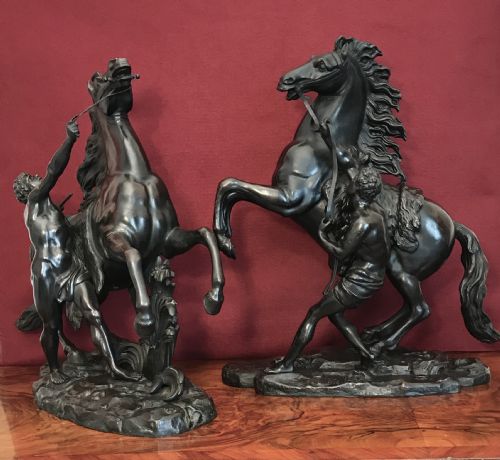
Metals form a significant part of the selection, utilising bronze and gilt bronze cast into detailed equestrian sculptures. Olive wood and painted finishes provide traditional bases and surfaces for carved wooden items such as carousel and rocking horses.
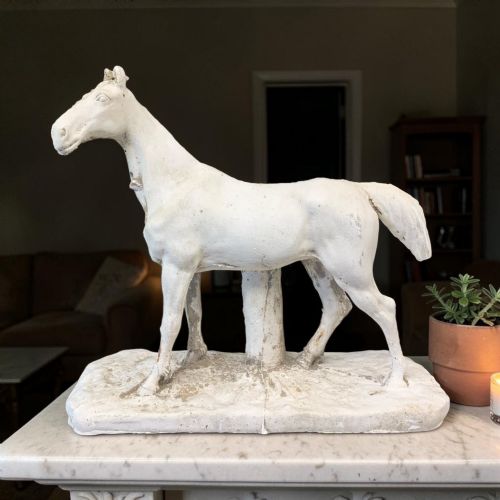
Ceramic pieces utilise glazed earthenware, terracotta, and plaster cast models to create tactile figures. Sancai glazes and hand-painted details appear across pottery pieces reflecting Chinese Tang Dynasty styles and European studio traditions.
Decorative Horse Figure Retail Price Guide 2026
Typical asking prices for decorative horse figure among the pieces listed under this phrase on Sellingantiques today, from the lower quarter to the upper quarter. They describe what is for sale here now, not the wider market.
Listings span the nineteenth century through the nineteen-thirties, incorporating Victorian, Edwardian, and Art Deco design movements.
What varies in quality
The standard of modelling and anatomical precision separates standard decorative pieces from finer sculptural studies. Casts and carvings that capture musculature and movement with accuracy demonstrate greater artisan skill.
Material selection and surface finish influence the overall character of each object. Patination on bronzes, the preservation of original paint on wooden figures, and the application of historic glazes determine the integrity of the piece.
The Decorative Horse Figure Glossary
- Bronze
- An alloy of copper and tin utilised for casting durable sculptures with fine detail. It develops a natural patination over time.
- Sancai
- A traditional three-colour glaze technique characteristic of Chinese pottery. It creates variegated amber, green, and cream tones across ceramic surfaces.
- Gilt bronze
- Metal cast objects coated in a thin layer of gold or gold leaf. This technique enhances decorative appeal through reflective metallic highlights.
- Terracotta
- Fired clay moulded into sculptural forms before glazing or painting. It provides a porous and versatile medium for historical figures.
Decorative Horse Figure: Frequently Asked Questions
What materials are used in these figures?
The pieces utilise bronze, gilt bronze, wood, painted surfaces, plaster, terracotta, and glazed earthenware. Olive wood and specimen marble also appear as mounting bases.
Selection depends on the specific era and regional style of the sculpture.
How do I identify a carousel horse?
Carousel horses feature carved wooden construction with painted finishes designed for fairground rides. They often display dynamic poses meant to be viewed from the outside.
These pieces reflect continental folk art traditions and early twentieth-century craftsmanship.
Are these pieces from the Victorian period?
Several examples date from the Victorian era and the nineteenth century, including gilt bronze studies and Staffordshire ceramics. Other items originate from the Edwardian period and the nineteen-thirties.
Styles range from classical Neoclassical bronzes to Art Deco designs.
What is a Sancai glazed horse?
Sancai glazed horses are pottery figures finished in a traditional three-colour glaze style inspired by Chinese Tang Dynasty art. The technique creates distinct tonal variations across the ceramic body.
These pieces reflect historical Asian art influences within the collection.
How should I care for a bronze horse?
Bronze sculptures require minimal maintenance, typically needing only gentle dusting with a soft, dry cloth. Avoid using harsh chemical cleaners that might disturb the historic patination.
Keeping the piece in a stable environment protects the underlying metal and any wooden or marble bases.