



Decorative Hearth Spark Screen
A decorative hearth spark screen protects a room from stray embers while bringing fine metalwork and period style directly to the fireplace.
Decorative Hearth Spark Screen
A decorative hearth spark screen acts as a functional guard and a commanding focal point in the room. When you search for this phrase, you encounter diverse Victorian, Edwardian, and twentieth-century designs created to shield interiors from spitting coals.
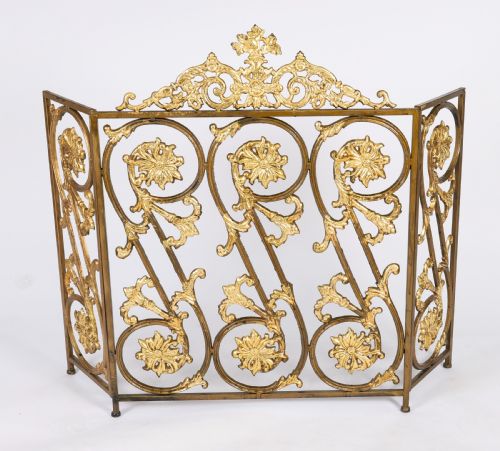
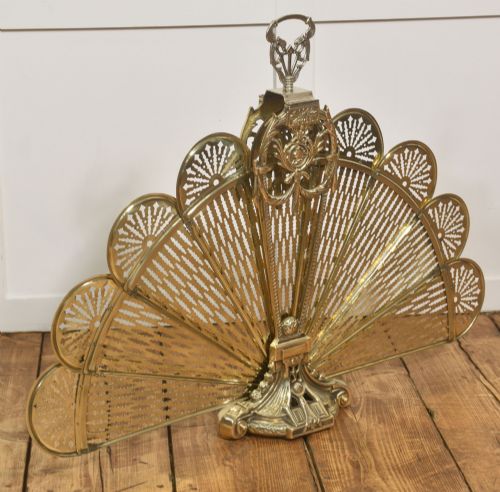
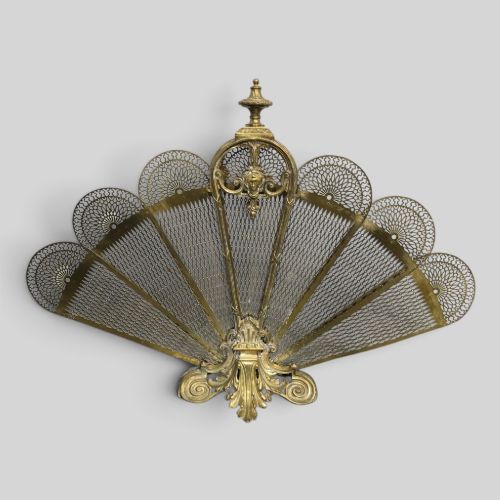
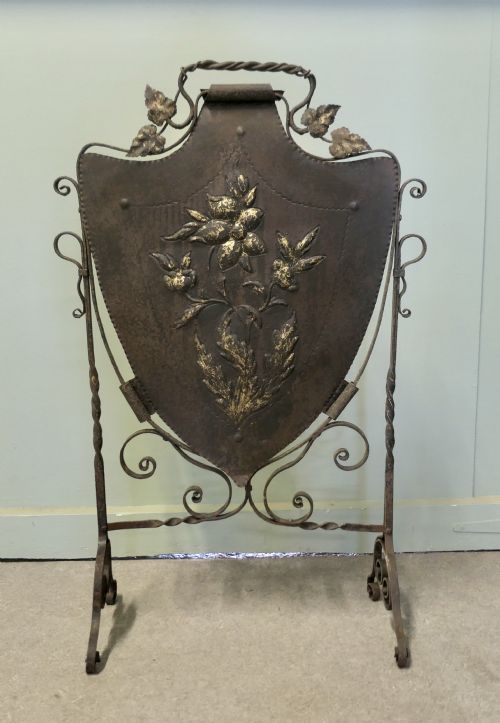
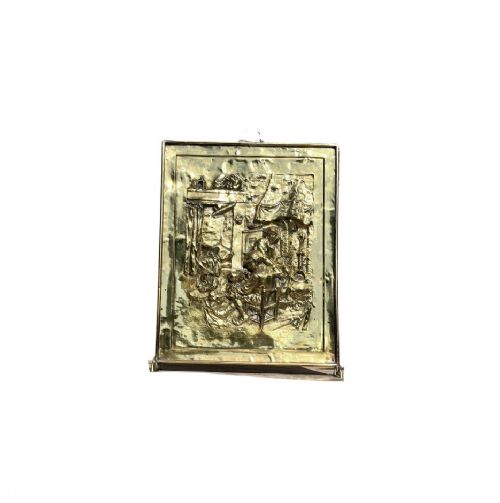
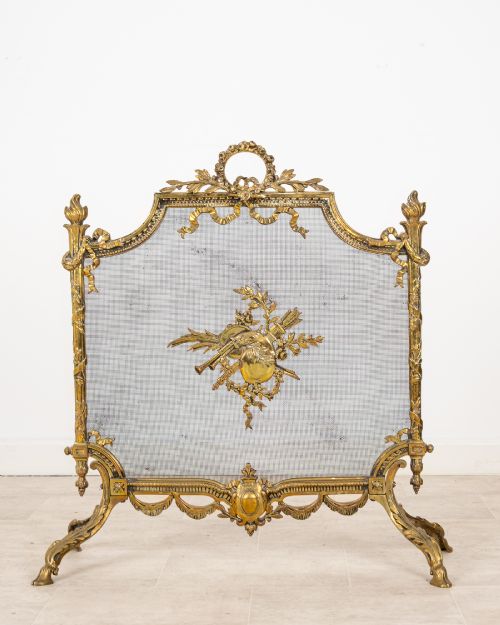
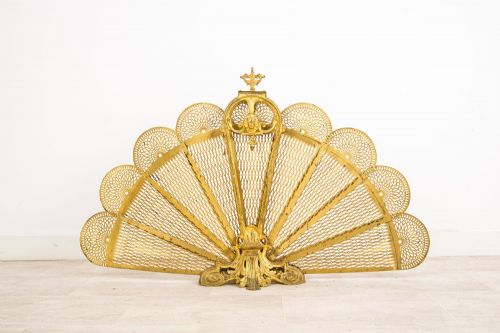
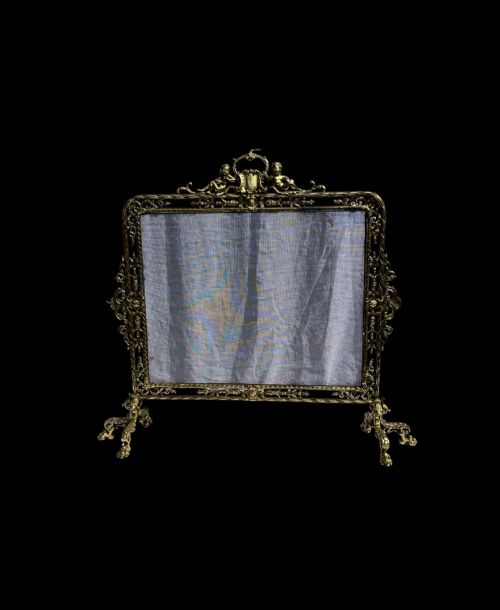
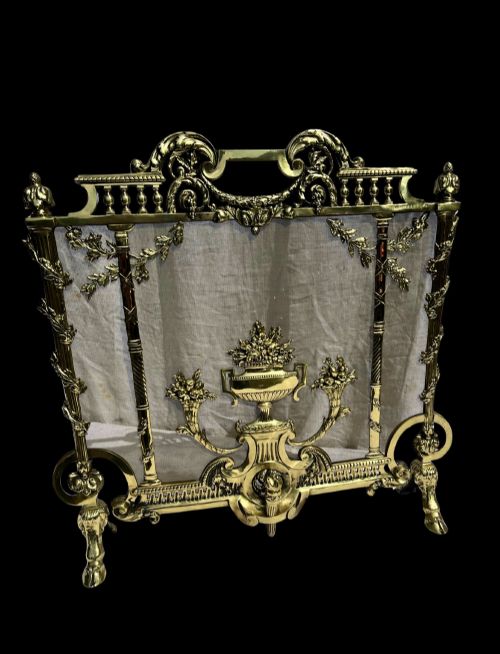
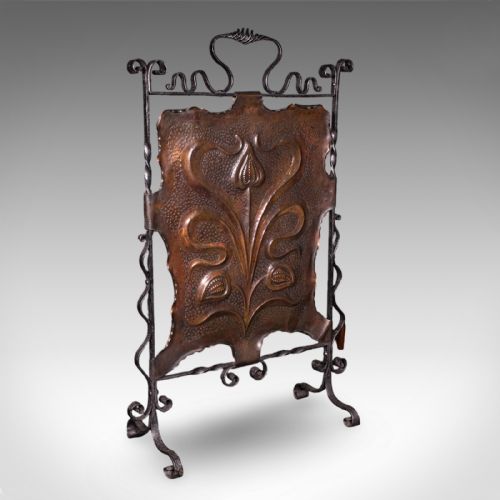
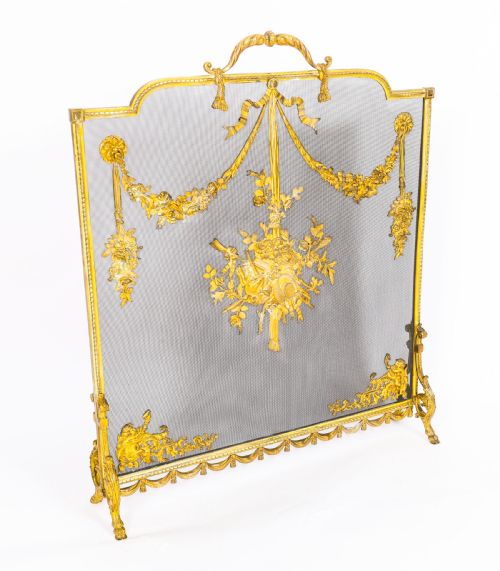
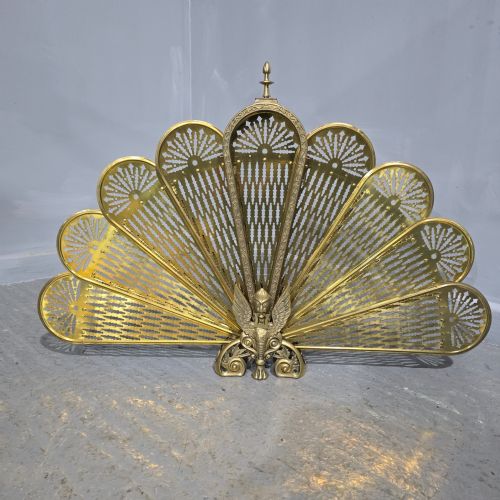
The most common examples on this page are folding brass peacock fan screens and rigid frames featuring wire or metal mesh. Other notable forms include solid copper panels and folding wrought iron guards suited to period hearths.
Origins span British workshops and continental European makers, particularly French pieces executed in revival styles. These objects range from simple utilitarian frames to elaborate gilt bronze and ormolu focal points.
Assessing quality and execution
Quality rests in the weight of the metal, the crispness of cast or chased ornamentation, and the structural integrity of the frame. Finer examples display detailed hand-finishing on brass and bronze, while simpler pieces rely on plain iron or basic wire mesh.
The complexity of the design also separates standard items from exceptional work, seen in elaborate French rococo scrolls, integrated glass reflectors, or multi-bladed folding peacock fans that operate smoothly on their original pivots.
Listings feature pieces spanning the Victorian and Edwardian eras alongside early twentieth-century examples up to the 1930s.
The Decorative Hearth Spark Screen Glossary
- Peacock fan
- A folding screen formed of pivoting metal blades that resembles an open tail when expanded. These typically use brass or gilt bronze.
- Fire guard
- A protective barrier placed in front of an active fireplace to contain sparks and ash. They appear in rigid, folding, and gate-fronted configurations.
- Ormolu
- Finely chased and gilt bronze ornament applied to decorative objects. This technique is frequently seen on French revival screens from the nineteenth century.
- Fireplace reflector
- A polished metal or mirrored screen designed to project heat back into the room. Copper and glass panels often serve this dual purpose.
- Spark screen
- A fine wire or metal mesh barrier designed to catch embers. It forms the protective core of many decorative hearth guards.
Decorative Hearth Spark Screen: Frequently Asked Questions
How do I use a spark screen safely?
Place the screen directly in front of the open fireplace opening before lighting a fire. Ensure the base sits flat against the hearth to prevent any gaps where embers might escape.
Keep combustible materials away from the outer edges of the frame during use. Allow metal screens to cool completely before attempting to move or clean them.
What is the difference between a fire screen and a spark screen?
A traditional fire screen often prioritises decorative appeal, occasionally incorporating solid panels, textiles, or glass reflectors to block summer drafts or unlit hearth views.
A spark screen specifically integrates wire or metal mesh designed to catch flying embers while maintaining visibility of the flames. Many period pieces combine both functions through decorative metal frames fitted with protective mesh.
How do I date a brass hearth screen?
Examine the manufacturing style, construction joints, and decorative motifs to determine the period. Victorian and Edwardian examples often feature stamped brass, riveted joints, or specific revival styles like Gothic and Art Nouveau.
French nineteenth-century pieces frequently display heavier cast ormolu mounts and rococo scrolls. Twentieth-century iterations from the 1920s and 1930s introduce simpler geometric lines or sunburst motifs.
How do I clean antique brass and copper?
Dust the metal surfaces regularly with a soft, dry cloth to prevent the buildup of soot and grime. Avoid harsh commercial dips that strip away the aged patina accumulated over decades.
Consult a specialist restorer if the piece requires deep cleaning or structural repairs to delicate hinges and mesh. Preserving the original surface finish maintains the character of the object.