





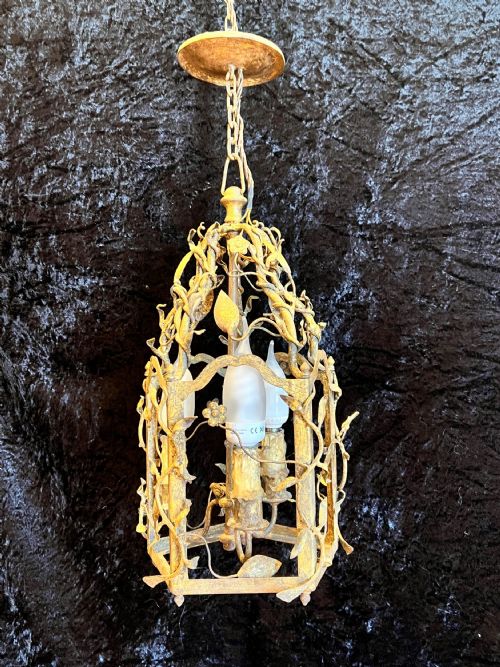
Decorative Hanging Light
A decorative hanging light transforms a ceiling from a plain plane into a point of architectural interest.
Decorative Hanging Light
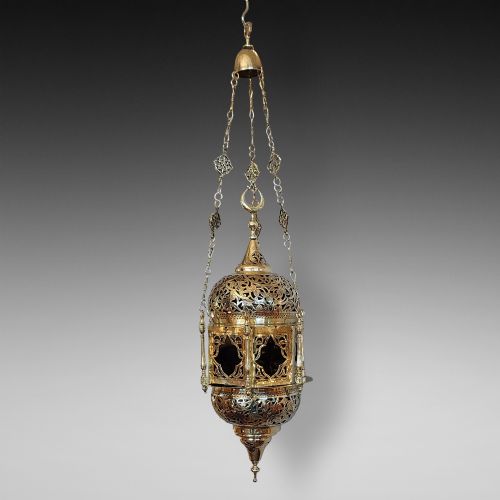
A decorative hanging light brings character to hallways, porches and principal rooms through suspended illumination. These fixtures originate from varied periods including the nineteenth century, the Edwardian era, nineteen-ten, nineteen-twenty, and nineteen-thirty.
Buyers meet forms ranging from chandeliers and ceiling lights to pendant lanterns and hall lanterns. Styles span Gothic Revival, French Chateau, Art Deco, Victorian, Arts and Crafts, French Country, and French Neoclassical.
The assortment relies heavily on French and English domestic lighting traditions. Fixtures adapt easily to contemporary interiors while maintaining their original period aesthetic.
How they were made
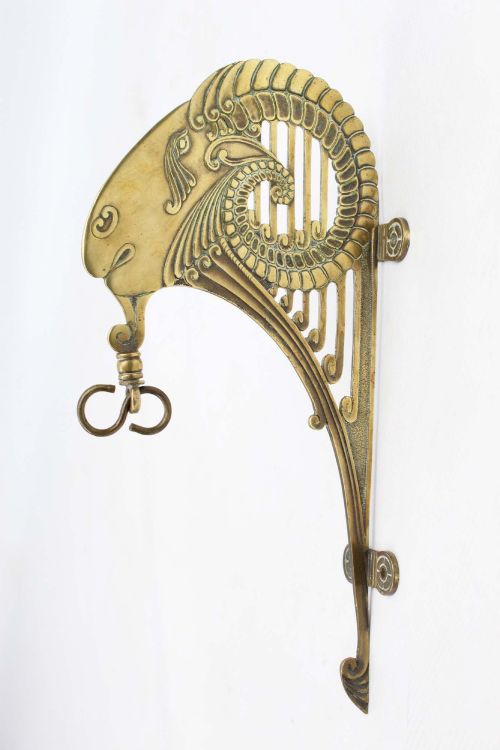
Makers utilised metals such as brass, gilt brass, wrought iron, steel, copper, chrome and ormolu for structural frames and wall brackets. These metals were cast, forged or worked by blacksmiths to create robust hanging lanterns and chandeliers.
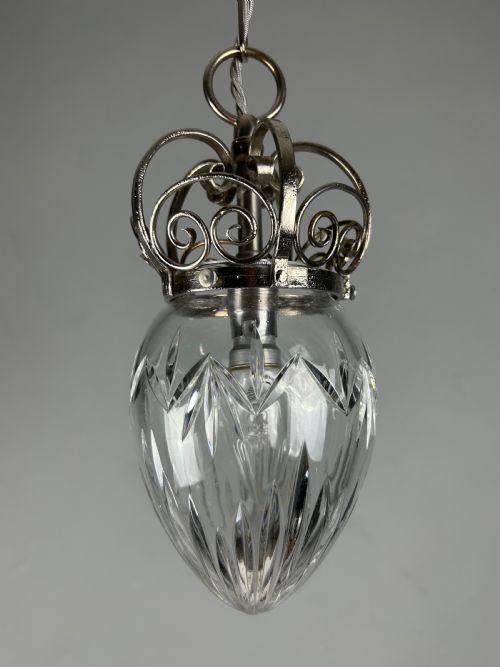
Glass elements form a substantial part of the construction, featuring hand-blown pieces, diamond cut crystal, stained glass, leaded panels and coloured glass fruits. These translucent and reflective surfaces disperse light across the room.
Decorative Hanging Light Retail Price Guide 2026
Typical asking prices for decorative hanging light among the pieces listed under this phrase on Sellingantiques today, from the lower quarter to the upper quarter. They describe what is for sale here now, not the wider market.
The listings on this page span the nineteenth century up to nineteen-thirty, incorporating brass, iron, crystal, and stained glass.
What varies in quality
The weight of the metal and the precision of the casting or hand-forging distinguish standard examples from finer pieces. Heavier brass frames and intricate wrought iron work indicate superior craftsmanship.
The clarity and cut of the glass or crystal drops dictate the visual brilliance of the fitting. Hand-blown components and detailed stained glass add depth that simple pressed glass lacks.
The Decorative Hanging Light Glossary
- Ormolu
- Gilded bronze or brass applied to decorative mounts and lanterns. This technique creates a rich golden finish popular in nineteenth-century French lighting.
- Bell jar lantern
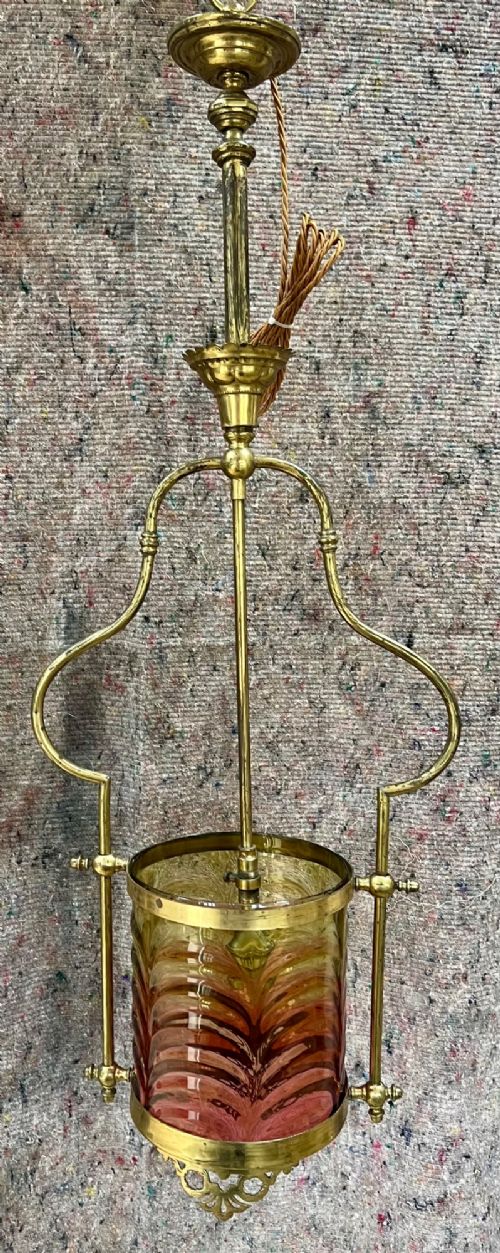
- A hanging light enclosed in a curved glass bell shape. It protects the flame or bulb while directing light downward.
- Table lustre
- A decorative candelabra hung with cut glass drops designed to reflect candlelight. These pieces sit on surfaces rather than hang.
- Cranberry glass
- Glass coloured through the addition of gold chloride during melting. It yields a distinctive pinkish-red hue seen in Edwardian and art nouveau fittings.
- Aesthetic movement
- A nineteenth-century style prioritising visual beauty over narrative or moral function. Pieces in this manner display refined craftsmanship and simplified forms.
Decorative Hanging Light: Frequently Asked Questions
Where should I hang a hall lantern?
Hall lanterns suit entranceways, corridors and stairwells where vertical space allows proper suspension. Their enclosed frames protect the light source while casting patterns across surrounding walls.
Ensure the fixture hangs high enough to permit clearance underneath yet low enough to command the entryway. High ceilings benefit from longer suspension chains.
How do I clean cut glass drops?
Remove glass drops individually if possible and wash them in warm soapy water using a mild detergent. Dry each piece with a lint-free cloth to restore its reflective sparkle.
Avoid harsh chemical cleaners that might damage surrounding brass or gilt finishes. Regular dusting prevents grime accumulation on intricate crystal.
Can these lights be rewired for modern use?
Many period hanging lights undergo rewiring to meet current electrical standards while retaining their vintage appearance. Professional electricians can adapt internal fittings to accept standard modern bulbs.
Check the listing details to confirm whether a fixture has been recently rewired. Older brass and iron frames accommodate modern internal wiring safely when handled by an expert.
What is the difference between a chandelier and a pendant?
Chandeliers feature multiple branching arms designed to hold several light sources in a branching configuration. They provide broader illumination for larger reception rooms and formal spaces.
Pendant lights typically hang from a single point or chain with one main shade or enclosed lantern. They offer focused downward light suited for specific zones like hallways or smaller rooms.