






Decorative Hall Table
These decorative hall table examples bring immediate character to an entryway through varied woods, marble surfaces, and painted finishes.
Decorative Hall Table
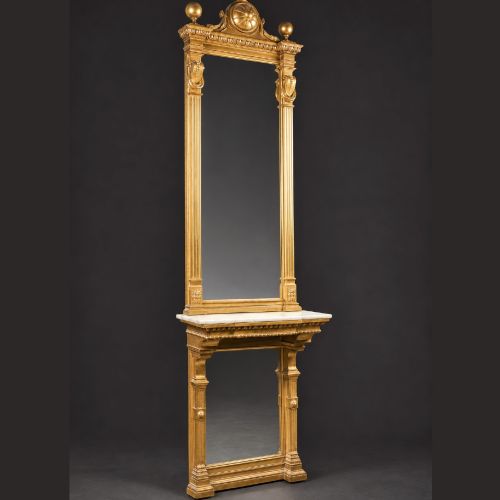
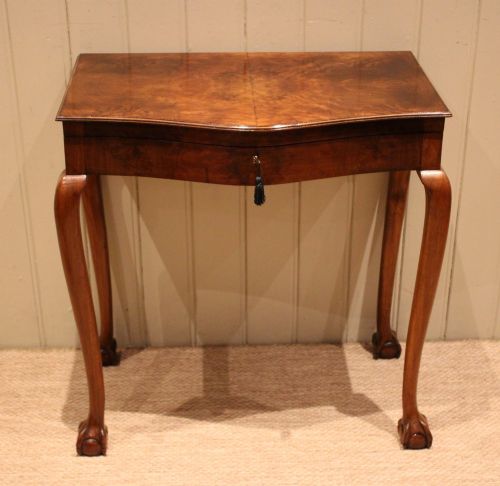
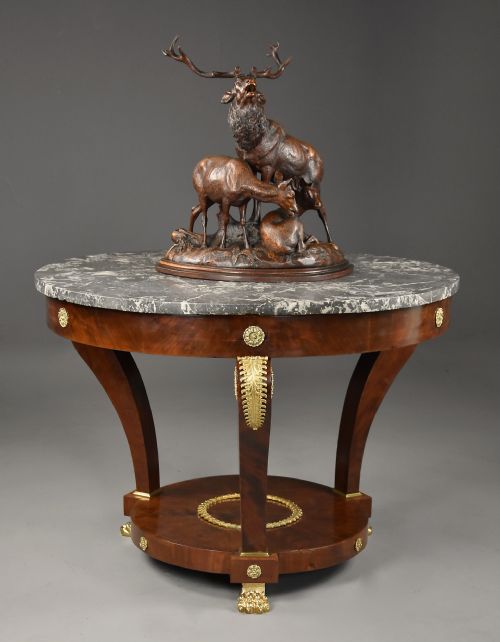
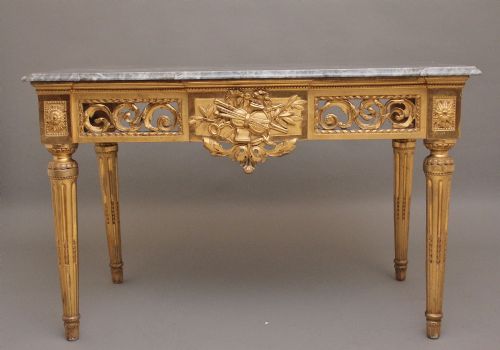
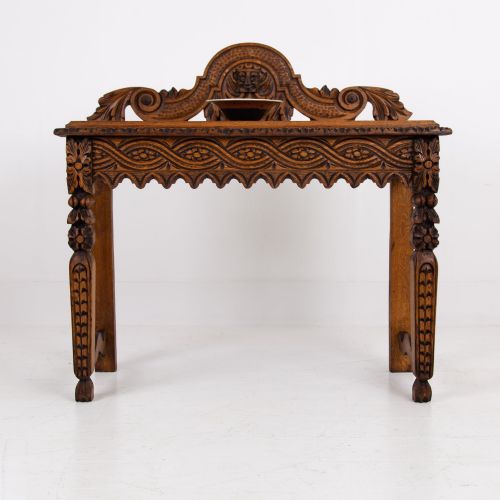
A decorative hall table encompasses console tables, side tables, and centre tables designed to occupy entranceways and reception rooms. Pieces span the eighteenth, nineteenth, and early twentieth centuries, drawing on Victorian, Georgian, Regency, and French or Italian Rococo styles.
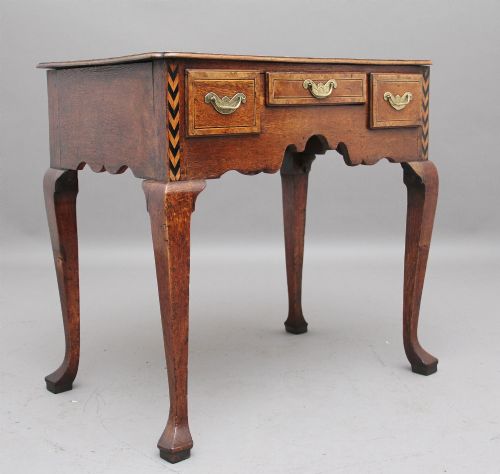
Console tables and side tables dominate the selection, frequently featuring shaped marble tops or elaborate paintwork. Buyers also encounter lowboys, occasional tables, and occasional seating items such as window seats or hall benches.
Origins vary widely across English, French, Italian, and Chinese traditions, reflecting diverse craftsmanship from different eras. Walnut, oak, satinwood, and mahogany provide the primary structural timbers for these forms.
Materials and construction
Cabinetmakers utilised a rich palette of timbers, including walnut, oak, satinwood, mahogany, amboyna, laburnum, and burr walnut. Oyster veneering and marquetry added intricate surface pattern to timber carcases.
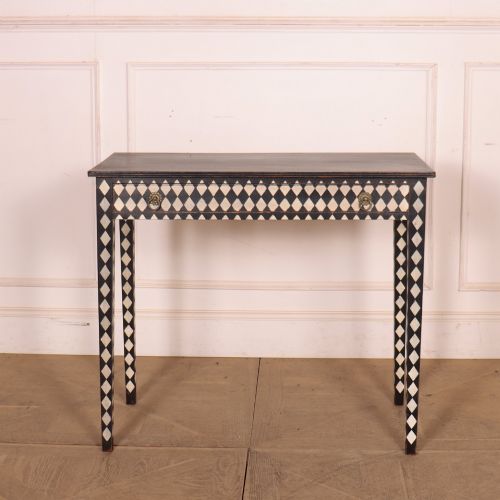
Surface decoration frequently involved hand painting, polychrome work, and silver or gold gilding applied to carved wooden frames. Heavy stone elements such as marble tops were integrated into console and serving tables for durability and visual contrast.
Decorative Hall Table Retail Price Guide 2026
Typical asking prices for decorative hall table among the pieces listed under this phrase on Sellingantiques today, from the lower quarter to the upper quarter. They describe what is for sale here now, not the wider market.
Markers of quality
Refinement of hand carving and the intricacy of painted or gilded details distinguish finer examples from simpler workshops. The choice of timber, such as burr walnut or figured satinwood, contributes significantly to the visual depth of a piece.
The integration of heavy materials like shaped marble tops with stable wooden frames demonstrates superior structural execution. Consistency in period details, such as authentic joinery and hardware, separates original period items from later interpretations.
Maple and Co
The Decorative Hall Table Glossary
- Console table
- A table fixed to a wall or freestanding, often designed with a shaped top to stand neatly in a hallway or against a pier.
- Demilune
- A term describing a half-moon shape, commonly applied to small tables designed to sit flush against a wall.
- Lowboy
- A small seventeenth or eighteenth-century table with drawers, typically raised on four tall legs and used for storage or display.
- Oyster veneering
- A decorative technique where small branches of a tree are sliced transversely to produce circular or ovoid patterns resembling oyster shells.
- Giltwood
- Timber that has been coated with a thin layer of gold leaf or gesso preparation, adding reflective brilliance to carved ornament.
Decorative Hall Table: Frequently Asked Questions
How do I choose the right size hall table?
Measure the available wall space and clearance for doors or walkways before selecting a console or side table. Shallower depths suit narrow corridors, whilst wider serving tables require more substantial entrance halls.
Consider the visual weight of the timber and whether a marble top fits the proportions of your hallway.
Can I use an antique centre table in a hallway?
Centre tables function well in larger entrance halls where they can stand freestanding to display lamps or floral arrangements. Ensure the diameter leaves adequate perimeter walking space.
Smaller side or occasional tables suit more modest corridor dimensions.
How do I care for marble-topped console tables?
Clean marble surfaces using a soft cloth and neutral cleanser to protect the polished stone from acidic spills. Avoid placing wet items directly on unsealed marble.
Maintain the wooden base with appropriate wax suited to walnut or mahogany finishes.
What is the difference between a console table and a side table?
Console tables traditionally rely on wall support or feature shaped brackets, whereas side tables stand independently on four legs. Both provide surface space for decorative objects in reception areas.
Console variations frequently incorporate more elaborate carving or marble tops.