






Decorative Glass Stand
A decorative glass stand brings light and colour to a room, combining practical support with the brilliance of lead, clear, or cut glass.
Decorative Glass Stand
A decorative glass stand encompasses a variety of forms designed to elevate items, ranging from nineteenth-century centrepieces and tazzas to desk stands and candlesticks. These objects serve both ornamental and functional purposes within domestic interiors across different design traditions.
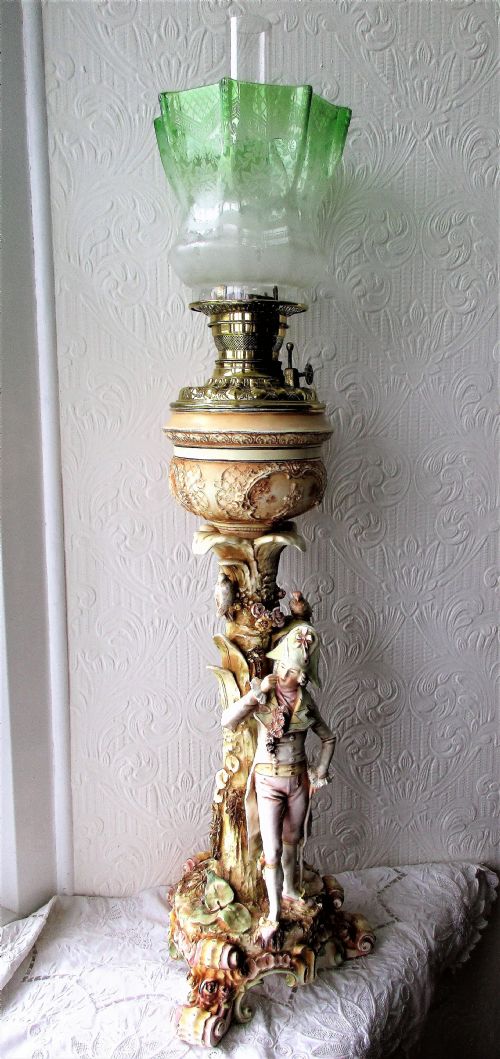
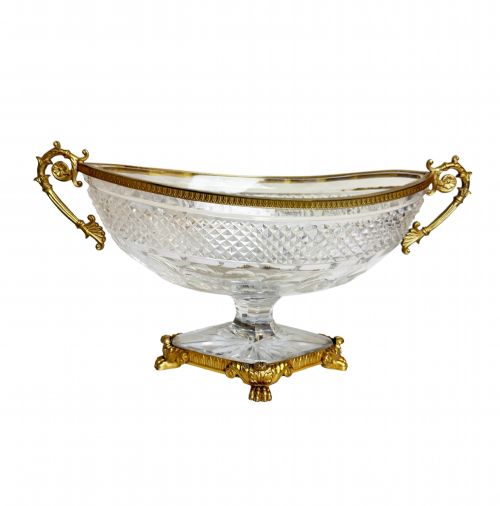
Victorian pieces feature prominently among these items, often combining glass components with brass, gilt bronze, or coromandel wood frames. The selection includes French examples from the nineteenth century alongside English and Art Nouveau designs.
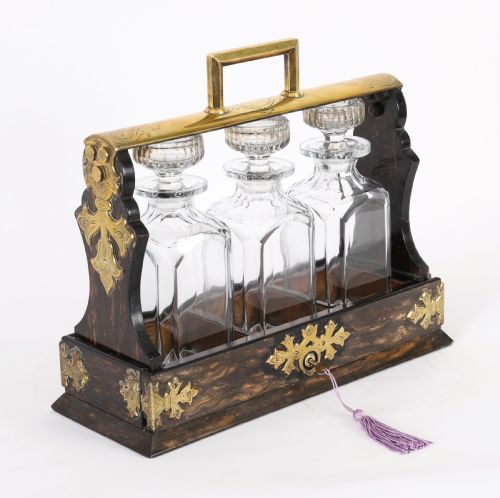
Buyers encounter distinct configurations such as decanter tantalus sets, inkstands, and table-top display pieces. Each variant relies on the interplay between the transparency or colour of the glass and the stability of its mounting.
Materials and construction
Makers utilised clear and cut crystal alongside coloured glass, shaping vessels and panels to catch ambient light. Metal mounts in brass, ormolu, and gilt bronze provide structural framing for the more complex assemblies.
Wooden elements such as coromandel and walnut appear in desk and bottle stands, joined with metal fittings to secure heavy glass containers. Craftspeople integrated lead and moulded glass components into frames using traditional joinery and metalworking techniques.
Decorative Glass Stand Retail Price Guide 2026
Typical asking prices for decorative glass stand among the pieces listed under this phrase on Sellingantiques today, from the lower quarter to the upper quarter. They describe what is for sale here now, not the wider market.
Listings feature items spanning the eighteenth to the twentieth centuries, incorporating materials such as cut crystal, gilt bronze, and coromandel wood.
Evaluating the standard of work
The clarity and depth of the glass cut distinguish finer pieces from simpler domestic wares. Precision in the moulding and hand-polishing of crystal surfaces creates sharper refractions of light.
The integration between the glass vessel and its metal or wooden stand marks the standard of manufacture. Solid mountings in ormolu or brass, fitted precisely to the contours of the glass, demonstrate superior execution.
Edwards and Roberts·Rene Lalique
The Decorative Glass Stand Glossary
- Tazza
- A small shallow bowl or vase elevated on a stem and foot. This form frequently appears in glass or ceramic for serving or display.
- Ormolu
- Gilt bronze mounted on decorative objects and furniture. The technique involves applying finely ground high-carat gold to a bronze base.
- Tantalus
- A locking wooden or metal stand that holds decanters securely. The design prevents the removal of bottles without a key while displaying the contents through the glass.
- Cut crystal
- Glass containing lead oxide that is cut with wheel-ground facets to increase brilliance. This material is heavier and more reflective than standard glass.
Decorative Glass Stand: Frequently Asked Questions
What is a decorative glass stand?
A decorative glass stand is a functional or ornamental piece that uses glass elements, such as tazzas, centrepieces, or inkstands, supported by frames of metal or wood.
These items were produced in various styles from the eighteenth century onwards, serving roles from desk organisation to table display.
How do I date a glass stand?
Dating relies on stylistic indicators such as the heavy mounts of nineteenth-century French pieces or the flowing lines typical of Art Nouveau designs.
Material combinations, including coromandel wood or specific brass casting techniques, also help place an object within a particular era.
How were these stands used?
Many examples held bottles, inkwells, or fruit, combining storage with visual display in dining rooms and studies.
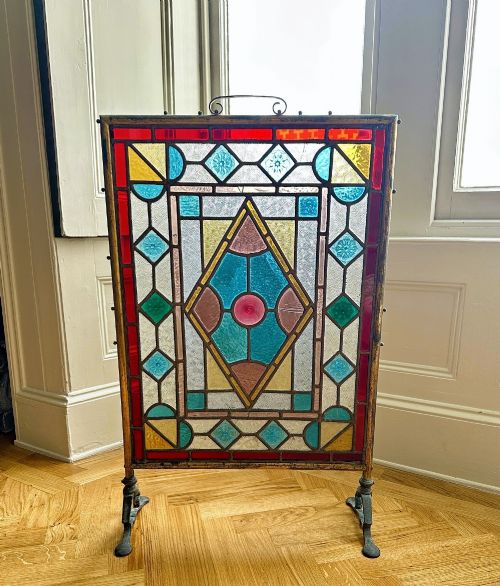
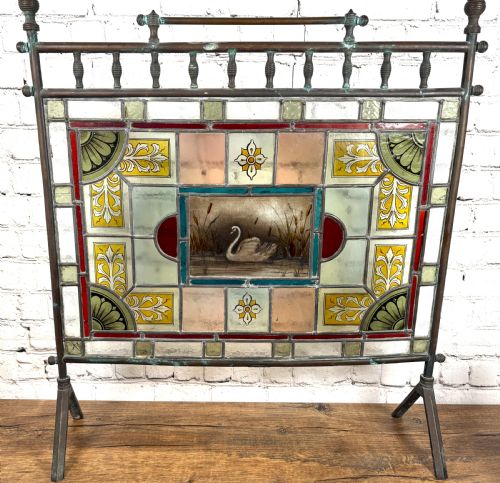
Others functioned purely as decorative centrepieces or protective screens, designed to be placed on tables or near hearths.
How do I clean an antique glass stand?
Cleaning requires mild soap and lukewarm water applied carefully to avoid damaging fitted metal mounts or delicate wooden sections.
Harsh chemical cleaners and abrasive cloths must be avoided to preserve the polish of both the glass and its surrounding frame.