

Decorative Glass Light
A decorative glass light brings together colour, metal and illumination, offering an interior focal point shaped by Victorian, Edwardian and Art Deco hands.
Decorative Glass Light
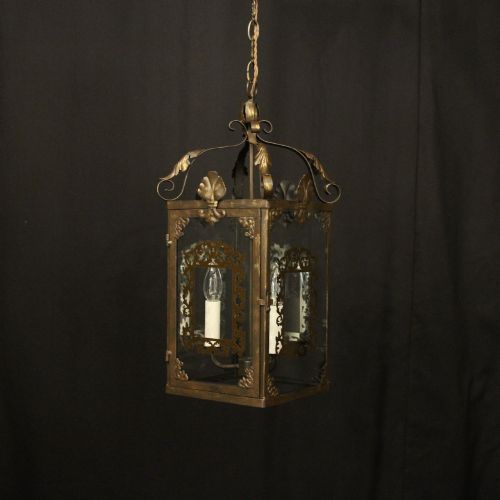
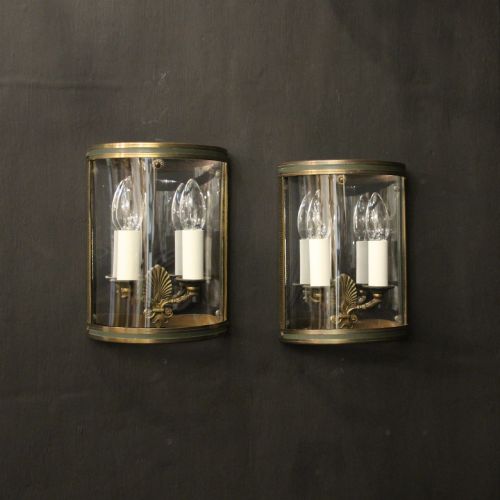
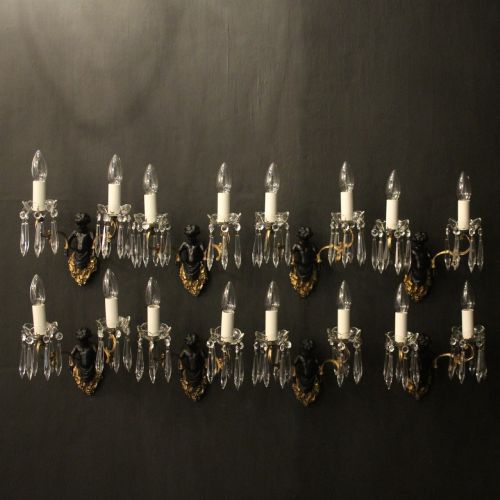
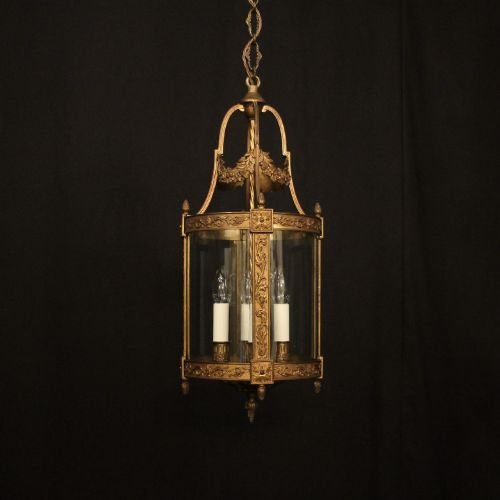
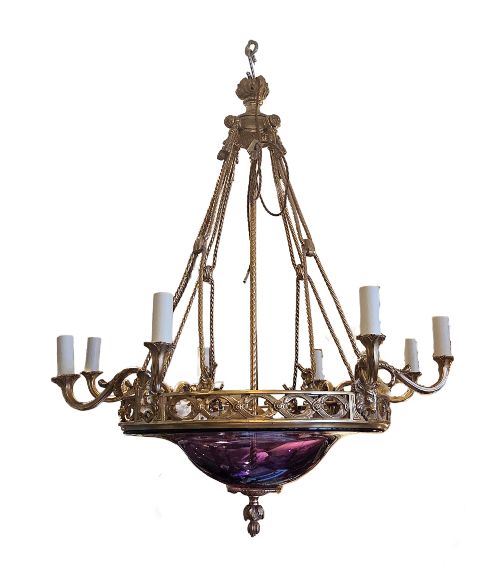
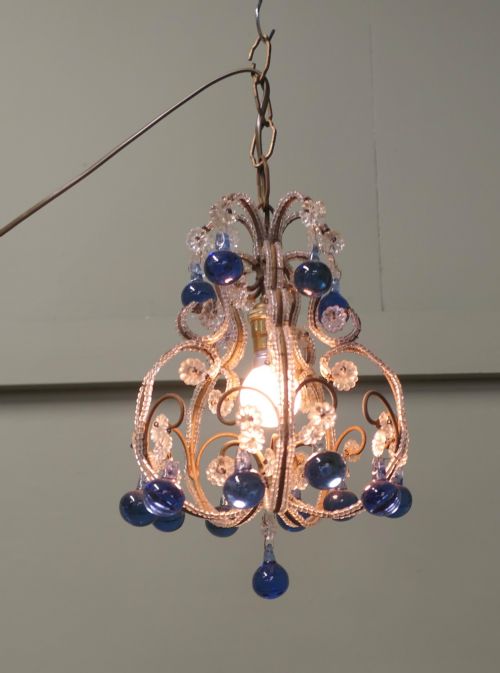
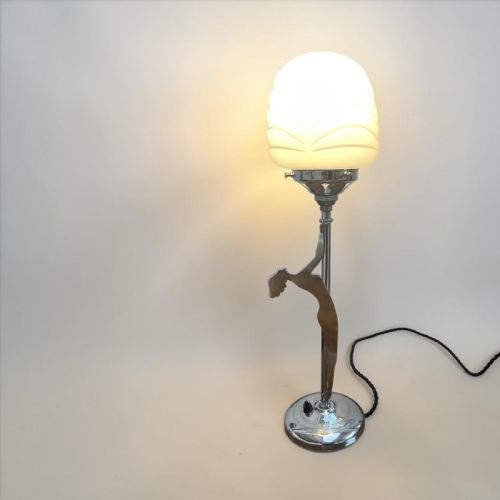
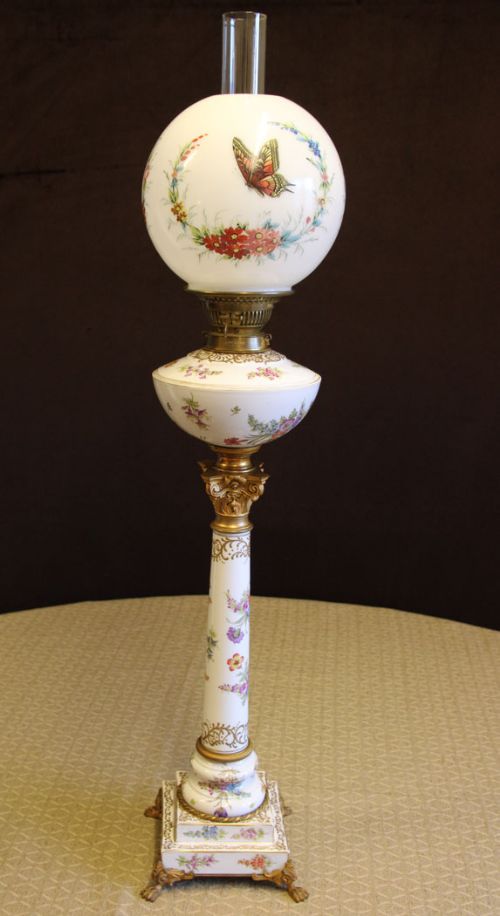
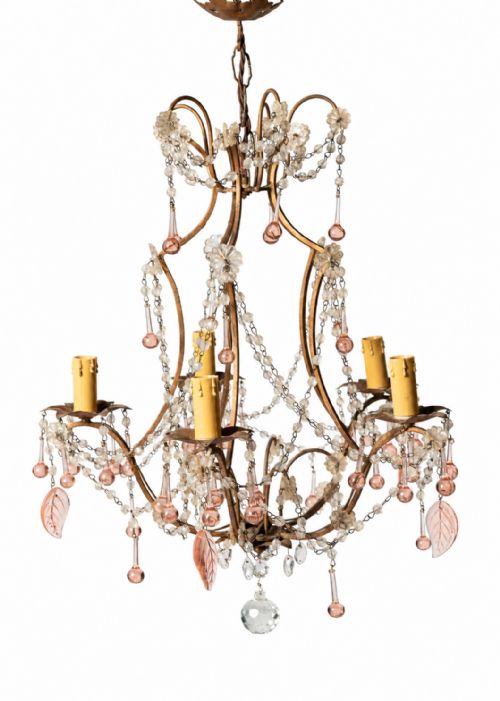
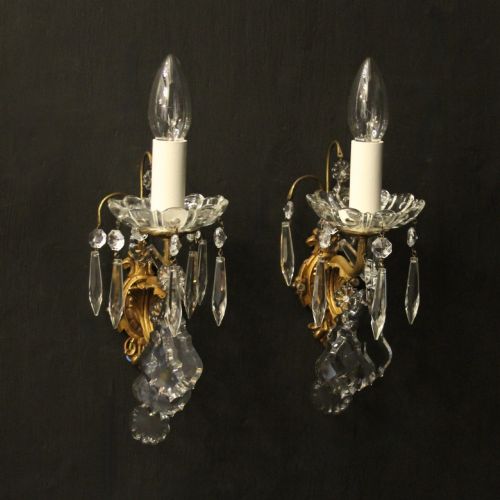
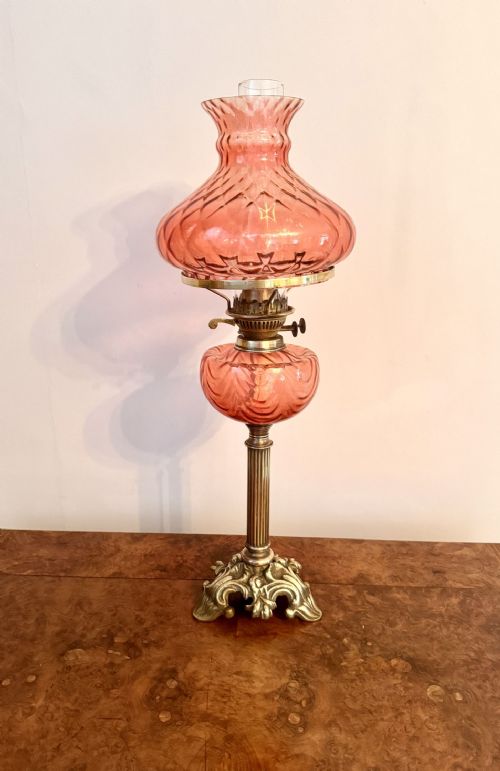
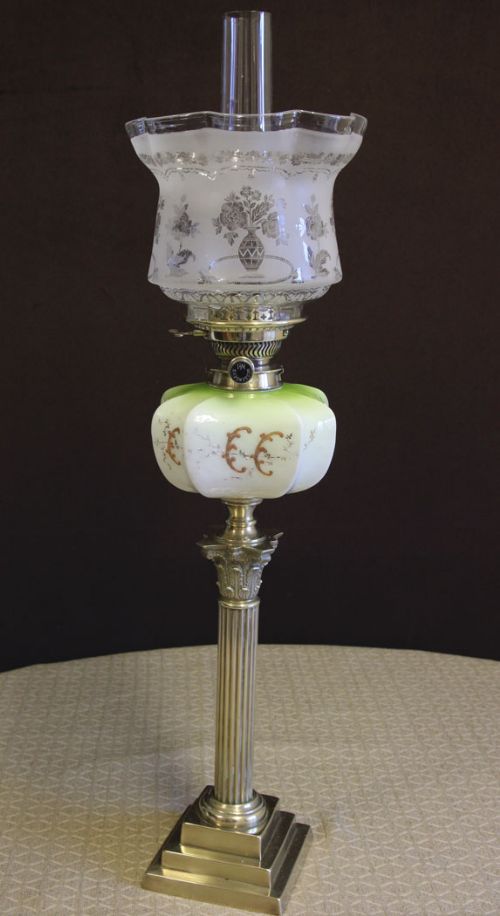
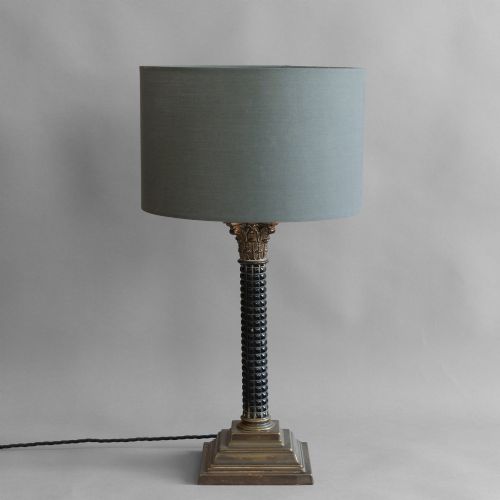
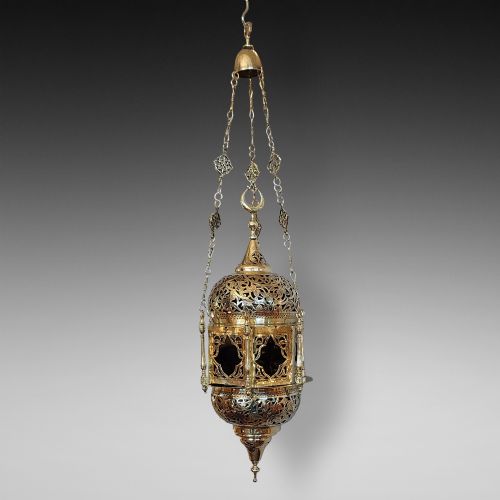
A decorative glass light encompasses a wide variety of forms, including table lamps, oil lamps, ceiling lights, chandeliers, pendant lights and wall lights. These fixtures emerge from periods spanning the nineteenth century through the 1930s, reflecting Victorian, Edwardian, Art Deco, Art Nouveau and Regency sensibilities.
The most frequent examples encountered on this page combine glass components with brass, bronze, copper or iron mountings. Many pieces integrate oil lamp conversions, crystal drops, or stained glass panels alongside moulded and etched shades.
Origins stretch across British, French, Italian and American workshops, producing both intimate mantle lustres and large multi-light chandeliers designed for grander spaces.
Distinctions in Quality
Quality rests upon the precision of the glass cutting, the weight and finish of the bronze or brass mountings, and the integration of components. Superior examples display crisp moulding, uncompromised lead work, and harmonious proportions between metal bases and glass shades.
The artistic ambition of the design, such as figural bronze work or hand-painted pastoral scenes on leaded glass windows, separates standard utilitarian fixtures from distinguished decorative examples.
Decorative Glass Light Retail Price Guide 2026
Typical asking prices for decorative glass light among the pieces listed under this phrase on Sellingantiques today, from the lower quarter to the upper quarter. They describe what is for sale here now, not the wider market.
Several Victorian and Art Deco lamps take the form of wise owls, watchful cats and even cast iron andirons repurposed to keep watch indoors.
Charles Schneider·Georges Leleu·Emile Picault
The Decorative Glass Light Glossary
- Oil lamp
- A lighting device utilising a reservoir or font to hold oil, fitted with a burner and often a decorative glass shade. Many antique examples are subsequently converted for electricity.
- Mantle lustre
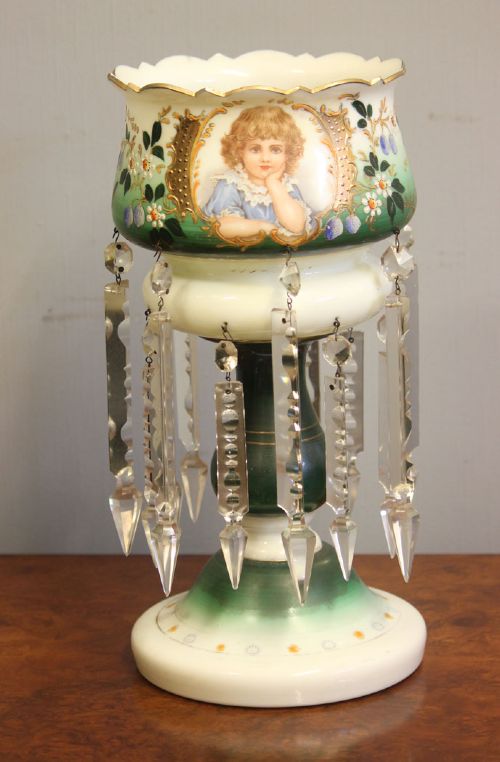
- An ornamental glass vase or urn hung with cut crystal prisms, designed to stand upon a fireplace mantle rather than provide primary illumination.
- Slip shade
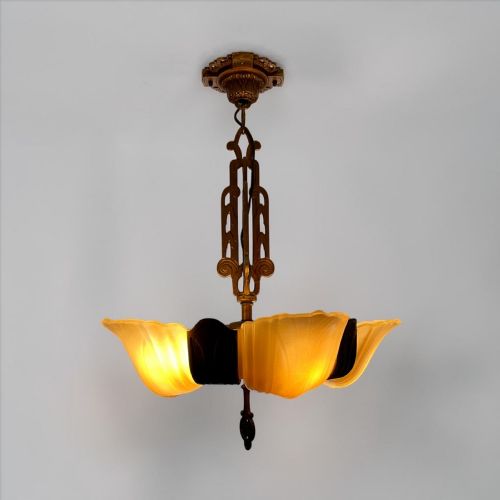
- A type of glass shade used in Art Deco ceiling lights and lamps, slotted directly into a metal frame without traditional screws.
- Lead cames
- Narrow strips of lead used to join individual pieces of cut or painted glass in windows, panels and lanterns.
- Ormolu
- Gilded bronze applied to mounts and bases, providing a bright metallic finish popular in nineteenth-century French and English decorative pieces.
Decorative Glass Light: Frequently Asked Questions
How do I safely clean an antique glass light?
Dust glass and metal components gently with a soft dry cloth. Avoid harsh chemical cleaners that may damage patinated bronze, brass or hand-painted glass surfaces.
Remove detachable crystal drops or shades only if necessary, ensuring all electrical connections remain completely dry during maintenance.
Can converted oil lamps be rewired?
Most antique oil lamps and column lamps adapt readily to modern electrical wiring by routing cords through the original burner or base channels. Professional rewiring ensures safety while preserving the historic structure.
Consult a qualified electrician to inspect older metal fittings and ensure compliance with current wiring standards.
How do I distinguish Art Deco from Art Nouveau lighting?
Art Nouveau lighting, originating around 1900, relies on asymmetrical floral motifs, whiplash lines and organic bronze forms. Makers often incorporated glass cabochons and naturalistic curves.
Art Deco fixtures from the 1920s and 1930s favour geometric symmetry, streamlined silhouettes, and slip shades with industrial or architectural styling.
Where were these glass lights historically placed?
Table lamps and mantle lustres sat upon desks, sideboards and mantelpieces in principal rooms. Larger chandeliers and pendant lights hung centrally in halls, drawing rooms and dining spaces.
Porch lanterns and stained glass windows served transitional exterior or entrance zones, catching natural daylight as well as artificial illumination.