

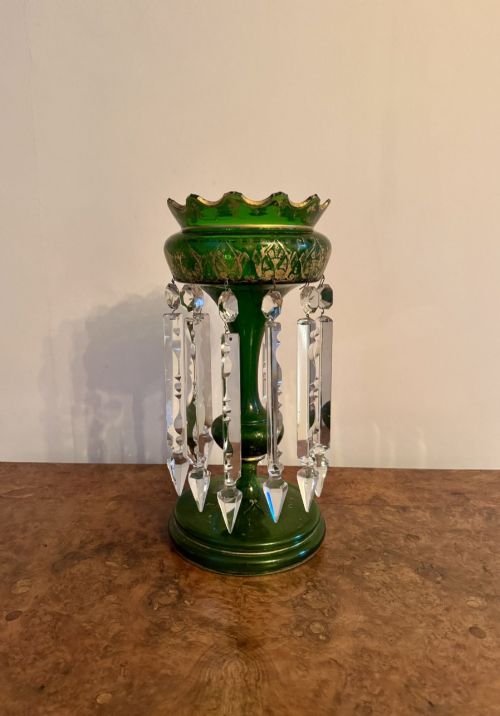
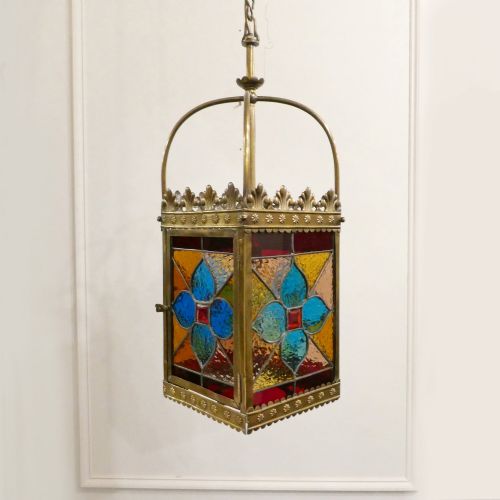
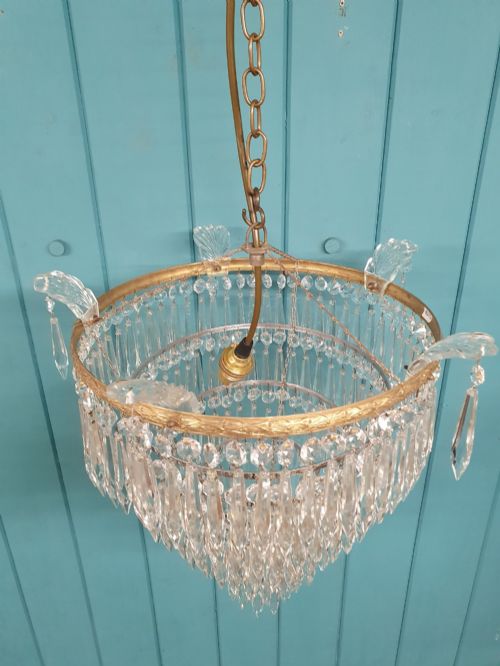
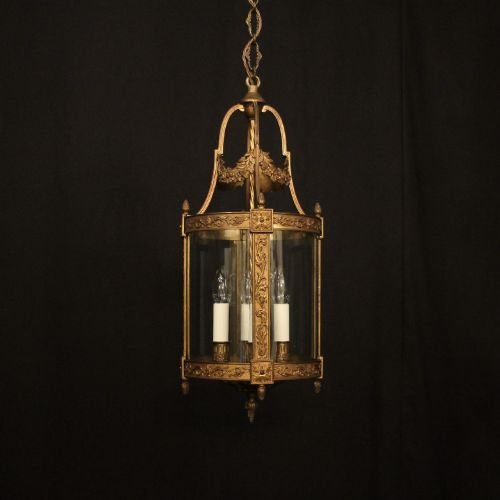

Decorative Glass Lamp
A decorative glass lamp brings colour and illumination to a room, combining tactile materials with period craftsmanship.
Decorative Glass Lamp
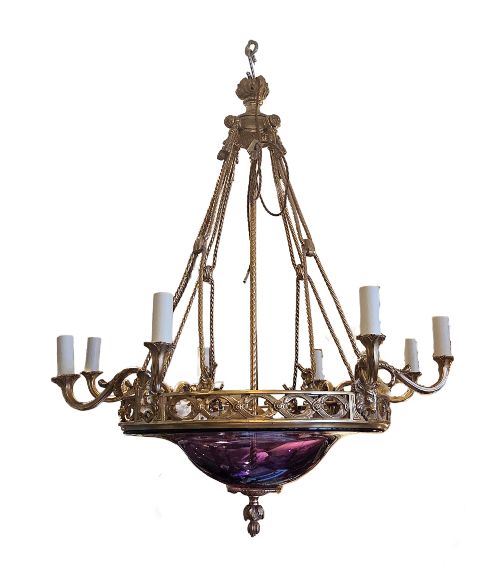
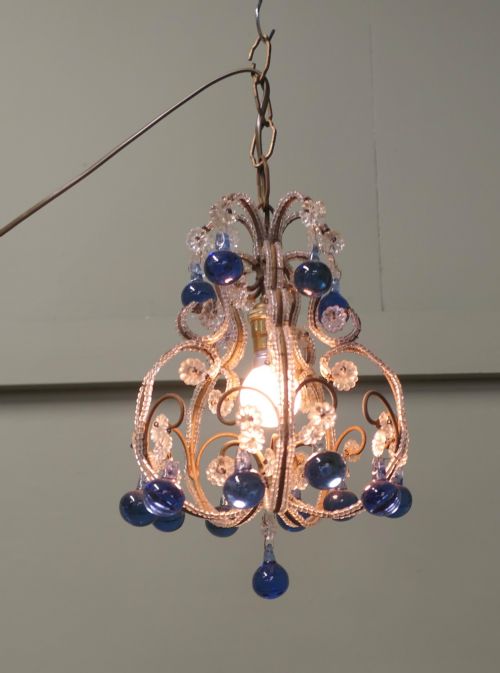
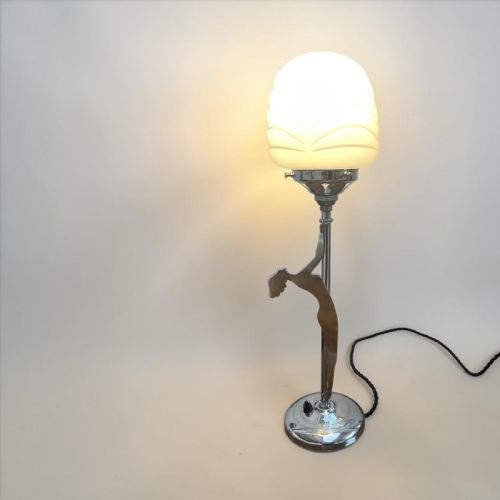
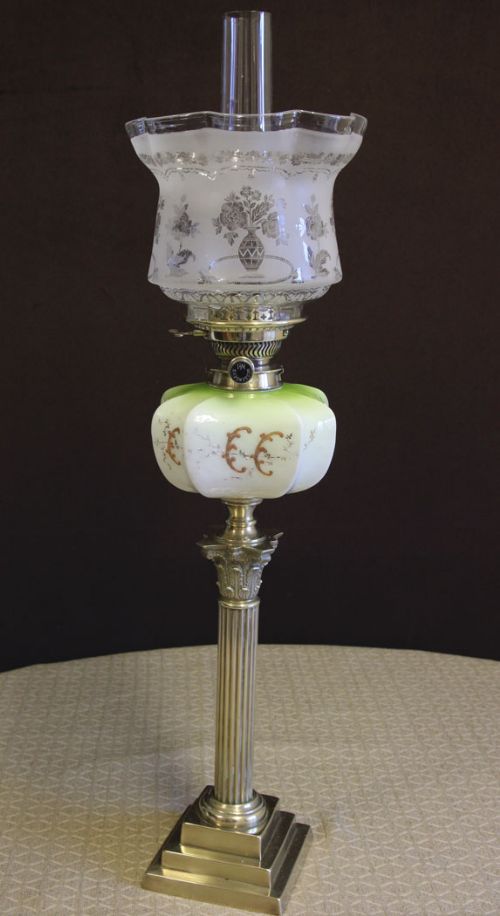
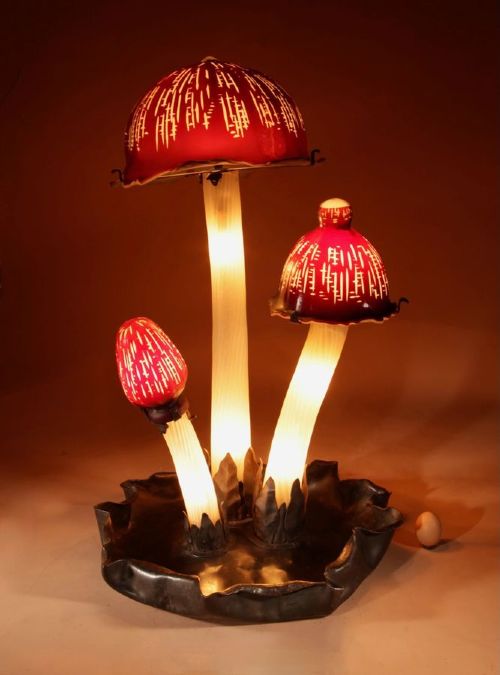
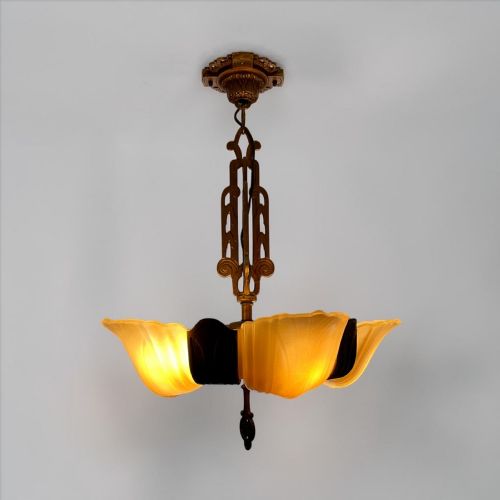
Buyers seeking a decorative glass lamp encounter various domestic lighting forms spanning the nineteenth and twentieth centuries. The selection on this page centres on table lamps, oil lamps, chandeliers, and ceiling lights originating from periods such as the Edwardian era, Art Deco, and Victorian times.
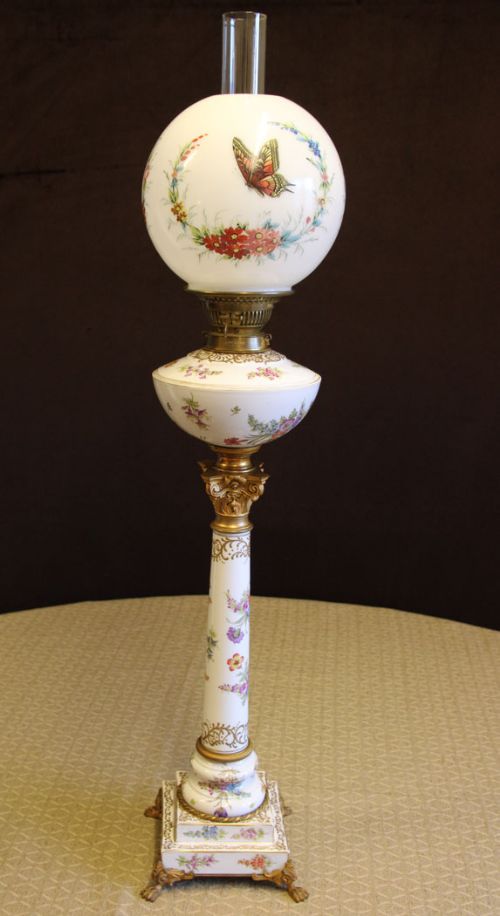
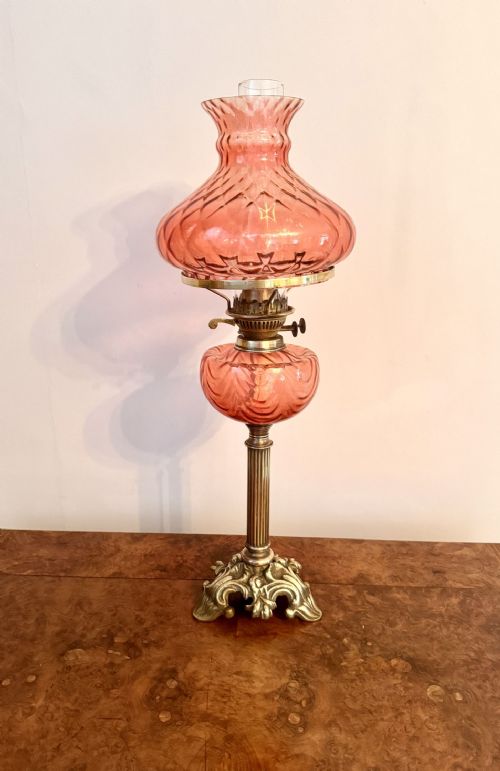
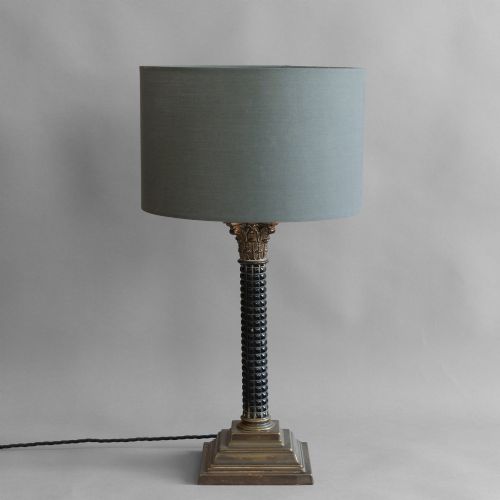
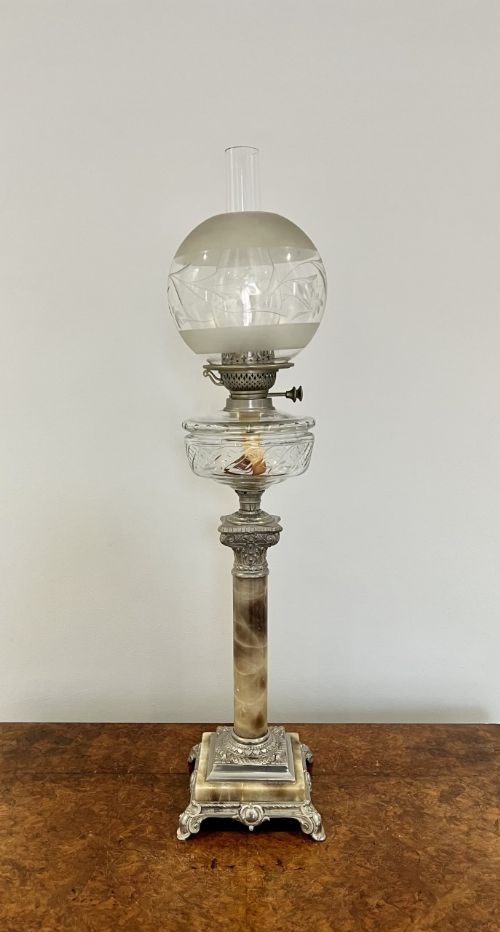
Table lamps and converted oil lamps dominate the offerings, frequently incorporating brass, bronze, or cast iron structures alongside coloured or cut glass components. Examples range from cranberry glass fonts to mottled glass shades and crystal drops, reflecting diverse historical styles from Gothic Revival to Art Nouveau.
Materials and construction
Makers combined glass with metals such as brass, bronze, copper, and wrought iron to construct durable illumination fixtures. Glass components included cut crystal, cranberry glass, and mottled or stained surfaces, shaped into fonts, shades, and decorative lustres.
Metalwork involved casting, gilding, and structural framing to support heavy glass bowls and shades. Oil lamps utilised brass burners and columns, while later twentieth-century pieces incorporated chrome and fabric elements alongside glass stems and bases.
Decorative Glass Lamp Retail Price Guide 2026
Typical asking prices for decorative glass lamp among the pieces listed under this phrase on Sellingantiques today, from the lower quarter to the upper quarter. They describe what is for sale here now, not the wider market.
Listings feature items spanning the nineteenth century through the 1950s, incorporating brass, bronze, wrought iron, and various types of glass.
Judging the standard of execution
Quality rests upon the precision of the glass cutting, the weight and finish of the metal mountings, and the harmony of the overall design. Superior pieces display crisp facet cutting, substantial bronze or brass castings, and well-integrated colour rather than superficial decoration.
The sophistication of the pairing between metal bases and glass elements dictates the distinction between standard production items and exceptional examples. Detail in etched glass shades and the integrity of original mounts distinguish finer specimens.
Charles Schneider·Georges Leleu·Emile Picault·Sitzendorf
The Decorative Glass Lamp Glossary
- Cranberry glass
- A transparent red-pink glass produced by adding gold chloride to the molten batch. It appears frequently in Victorian oil lamp fonts.
- Cut crystal
- High-clarity glass shaped by grinding and polishing geometric facets to refract light. This technique enhances the brilliance of chandeliers and table lamps.
- Oil lamp
- A lighting device using a liquid fuel reservoir and a wick, often later converted for electrical use. Many antique examples feature decorative ceramic or glass bodies.
- Campana urn
- A bell-shaped vessel with a footed base, derived from classical antiquity. It forms the structural base for certain decorative lamps.
- Lustre
- A tabletop ornamental piece hung with glass prisms designed to catch and reflect light. They date largely from the nineteenth and early twentieth centuries.
Decorative Glass Lamp: Frequently Asked Questions
What is a decorative glass lamp?
A decorative glass lamp is a lighting fixture that utilises glass as a primary aesthetic component, ranging from table lamps to hanging lanterns. These pieces incorporate coloured, cut, or mottled glass combined with metal mountings.
Such lighting spans multiple historical periods, reflecting shifts in interior taste from nineteenth-century oil lamps to twentieth-century electric fittings.
How do I identify the period?
Dating relies on observing the combination of materials, manufacturing techniques, and stylistic motifs present in the object. Victorian and Edwardian pieces often feature heavy brass columns and cranberry glass, while Art Deco items display geometric slip shades or mottled glass.
Examining the construction of the metal mounts and the type of glass helps place the object within its historical decade or century.
Were these lamps originally electric?
Many early lighting pieces began as oil-burning lamps or used candles before undergoing conversion to electricity at a later date. This transition often involved adapting the original burner mechanisms to house electrical wiring and lamp holders.
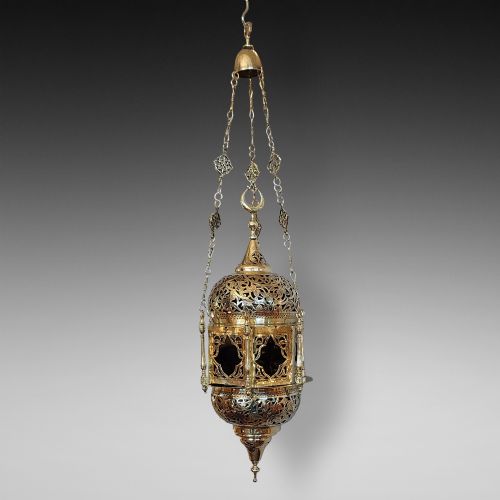
Chandeliers and hanging lanterns similarly transitioned from gas or oil operation to electric illumination over the course of the twentieth century.
Where should I place a glass lamp?
Table lamps and oil lamps suit side tables, desks, or mantelpieces where their tactile glass surfaces and metal bases receive close appreciation. Floor lamps and larger table lustres function well as focal points in a room.
Hanging fixtures such as chandeliers, ceiling lights, and hall lanterns require secure ceiling suspension points and appropriate height clearance within a hallway or living space.