

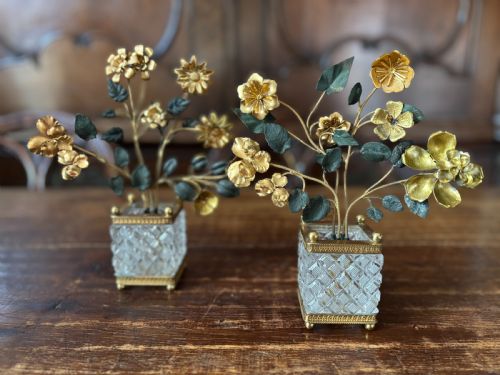
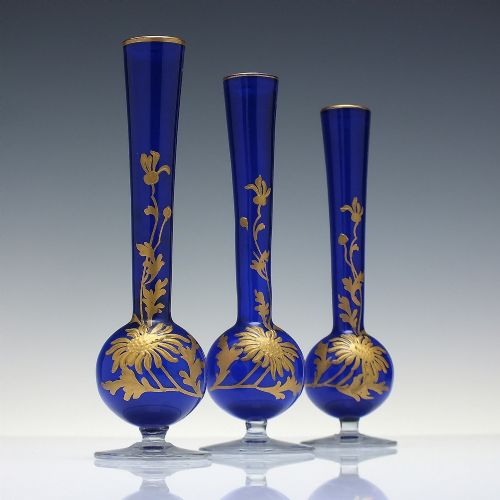
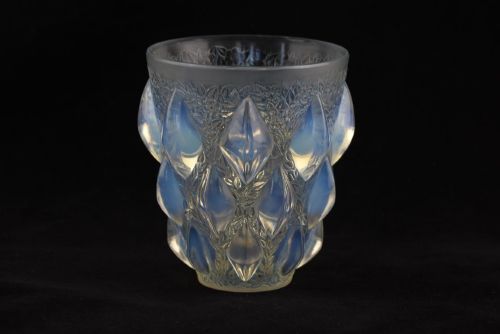
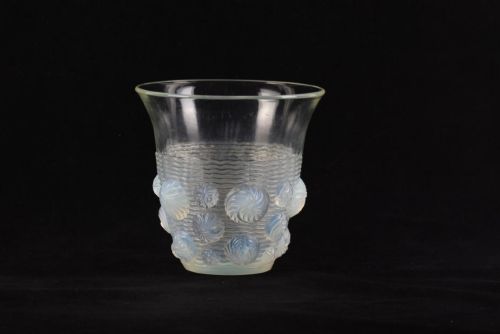


Decorative Glass Flower
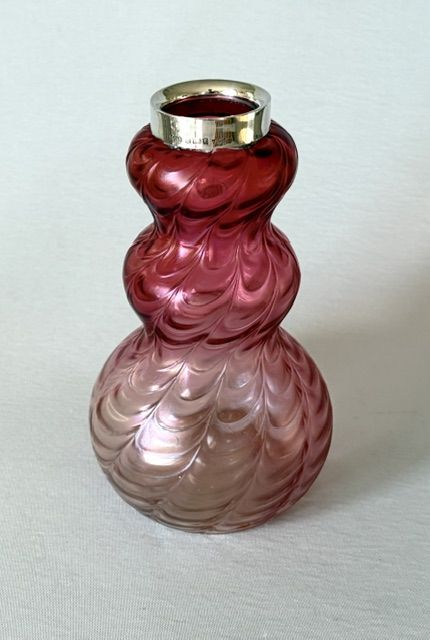
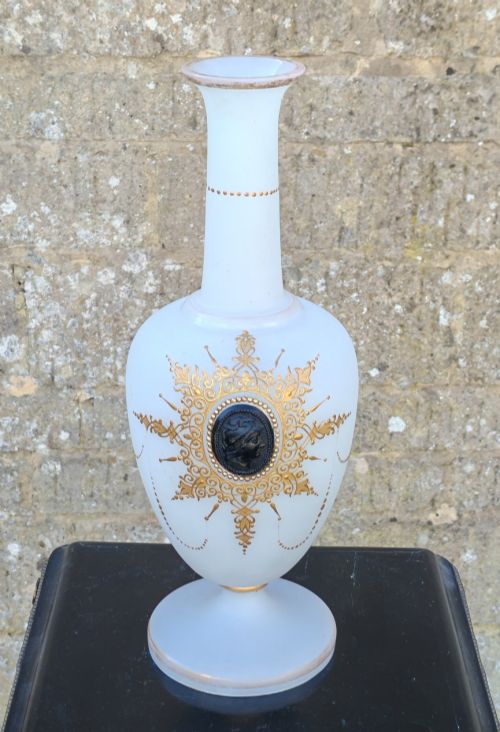
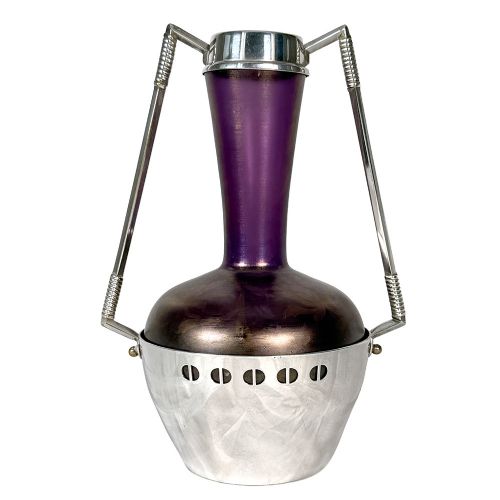
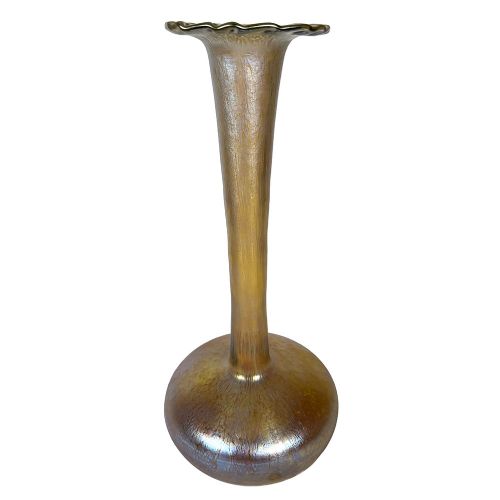
These pieces of decorative glass flower design span the late nineteenth century to the mid-twentieth century, bringing organic motifs and vibrant colour into interiors.
Decorative Glass Flower
A decorative glass flower encompasses vessels and objects that incorporate botanical motifs, petal shapes, or floral subjects into their physical form or surface decoration. Buyers exploring this selection encounter works shaped as distinct blooms or decorated with enamel, cameo carving, and painted scenes of flora.
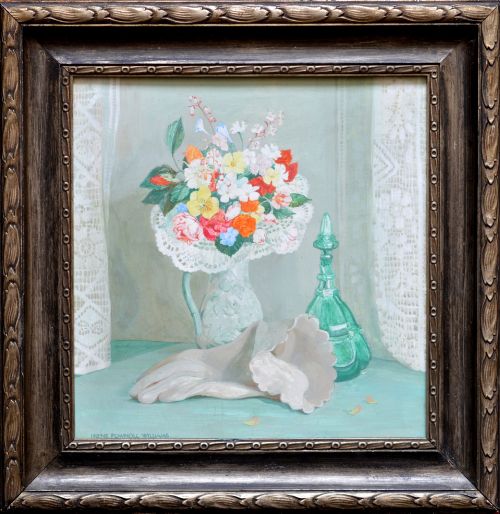
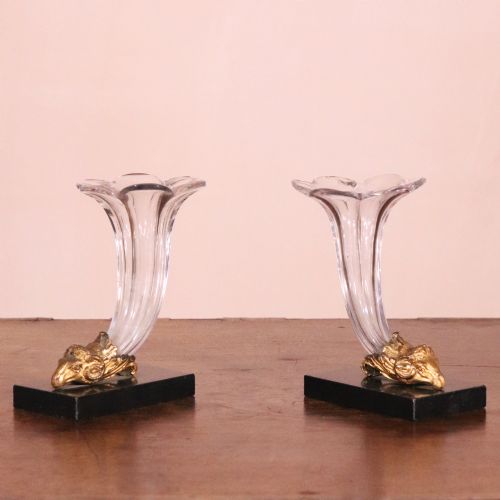
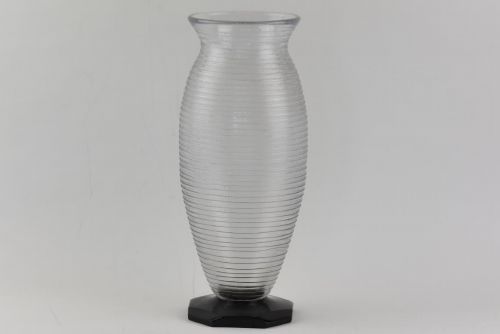
The objects span multiple periods, from Victorian and Edwardian examples to Art Nouveau, Art Deco, and mid-twentieth century design. Vases dominate the selection, alongside bowls, chandeliers, paintings, and mirrors featuring floral elements.
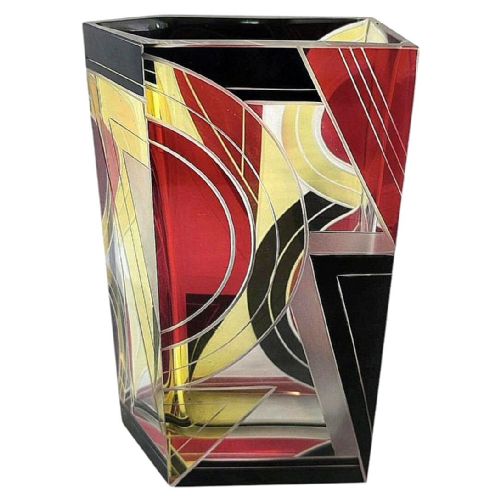
Origins stretch across European glasshouses, including French, Austrian, and English workshops. Pieces range from iridescent Art Nouveau vessels to geometric Art Deco creations and moulded opalescent glass.
How they were made
Makers utilised various glass techniques such as cameo glass carving, blowing, and optical moulding to build depth and texture into the material. Surface details often incorporate enamel decoration, gilding, and silver plate mounts.
Moulded opalescent glass and pâte de verre crystal allowed workshops to achieve soft, translucent light effects within floral reliefs and bowls. Artisans also combined clear glass with frosted or coloured layers to highlight botanical patterns.
Decorative Glass Flower Retail Price Guide 2026
Typical asking prices for decorative glass flower among the pieces listed under this phrase on Sellingantiques today, from the lower quarter to the upper quarter. They describe what is for sale here now, not the wider market.
Object types include vases, paintings, decorative bowls, chandeliers, decorative sculpture, and wall mirrors.
What varies in quality
The refinement of the glass body and the precision of the surface execution separate standard production from exceptional examples. Mastery in handling cameo layers, iridescence, or enamelling determines the visual depth of the botanical subject.
The integration of metal mounts, such as silver plate or gilt bronze settings, contributes to the overall cohesion of the piece. Well-balanced proportions and crisp detailing in moulded or etched floral reliefs distinguish superior craftsmanship.
Loetz·Daum·Emile Galle·Legras·Rene Lalique·Karl Palda·James Powell·Thomas Webb
The Decorative Glass Flower Glossary
- Cameo glass
- A vessel created by fusing layers of different coloured glass and carving away the outer layer to leave a raised design. This technique requires exceptional skill to achieve precise contrast in floral motifs.
- Opalescent glass
- Glass that diffuses light with a milky, translucent quality, often catching blue or orange tones at the edges. It highlights moulded details such as petals and leaves.
- Iridescent glass
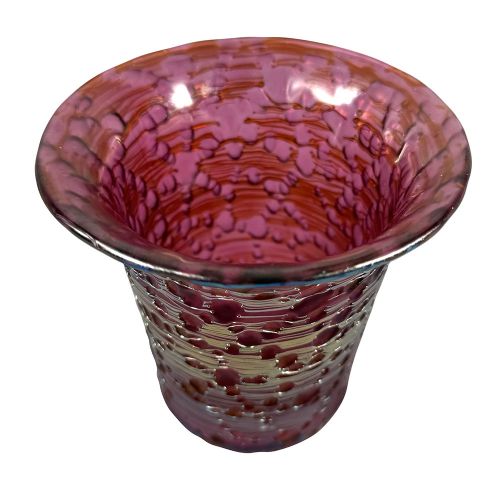
- Glass treated with metallic salts while hot to produce a shimmering, rainbow-like surface. Loetz frequently utilised this effect on organic forms.
- Pâte de verre
- A form of glass casting where crushed glass is packed into a mould and fired until fused. This method yields a dense, textured object with subtle colour gradation.
- Enamel
- Opaque vitreous material fused to the surface of the glass for decoration. Artisans applied it in raised patterns to depict flowers and foliage.
Decorative Glass Flower: Frequently Asked Questions
What periods do these pieces represent?
The selections span the nineteenth century through the 1950s, covering Victorian, Edwardian, Art Nouveau, and Art Deco eras.
Art Nouveau and Art Deco pieces dominate, alongside mid-century creations and earlier Victorian examples.
How should I display a decorative glass flower vase?
Place vases where natural light can pass through the transparent or opalescent glass to highlight the floral colours and textures.
Keep them away from direct edges where they might be knocked, allowing the form and surface decoration to serve as a focal point.
How do I identify Art Nouveau glass?
Look for organic shapes, iridescent finishes, and fluid lines inspired by natural plant forms and flower motifs.
Many pieces feature signatures or specific colour decors characteristic of glasshouses from that era.
What is the difference between cameo glass and enamelled glass?
Cameo glass involves carving directly into layered glass to create a physical, raised relief of flowers or scenes.
Enamelled glass relies on applied coloured glass paste fired onto the surface to paint botanical details.