



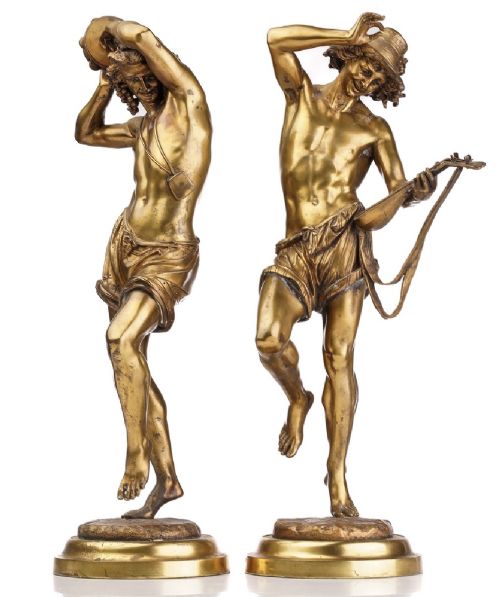


Decorative Gilt Statuette
A decorative gilt statuette brings warmth and metallic lustre to a room, offering small-scale sculptural elegance shaped by centuries of European and Asian artistry.
Decorative Gilt Statuette
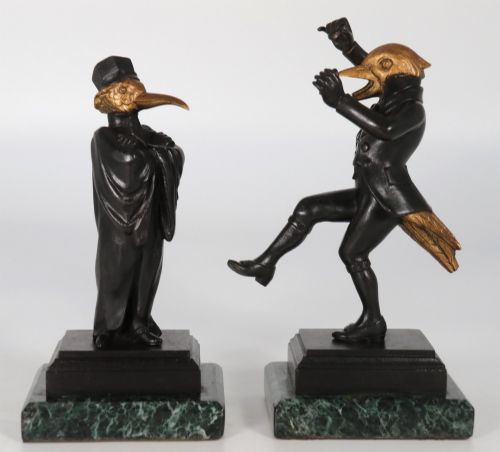
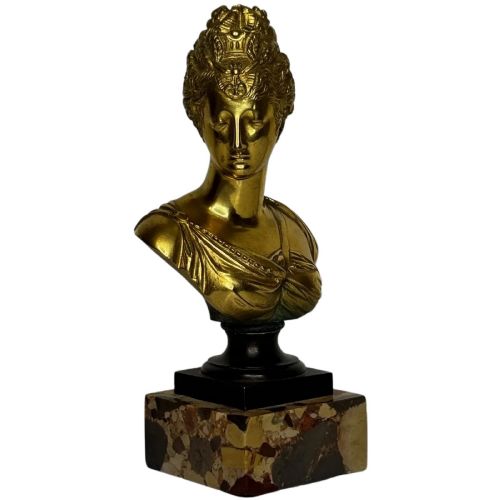
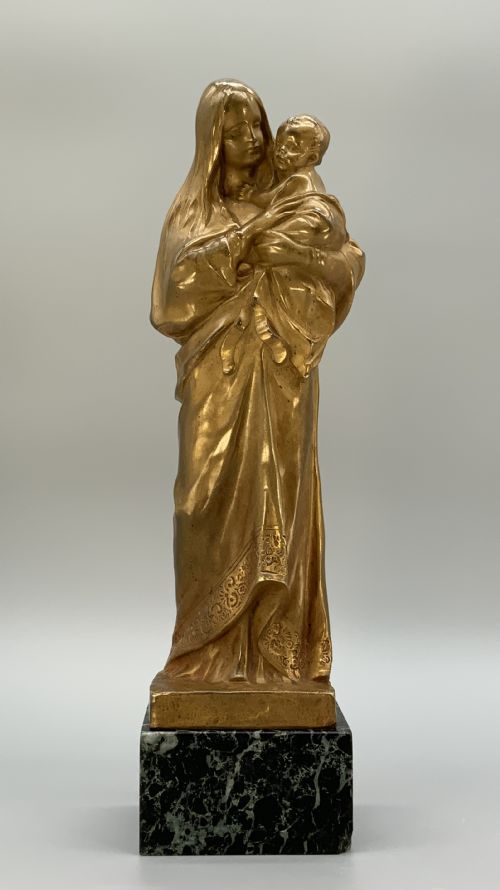
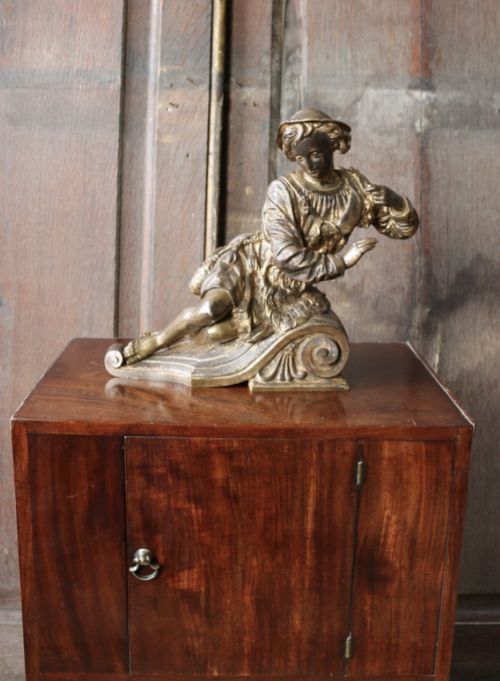
A decorative gilt statuette encompasses small figures, busts, animals, and mythological subjects finished with gold leaf, ormolu, or gilt bronze. These pieces range from eighteenth-century andirons and porcelain figurines to nineteenth-century French bronzes and Art Deco female nudes.
Buyers examining this selection encounter diverse cultural traditions, including European neoclassical and rococo revival works alongside Sino-Tibetan metal figures. Forms vary from single dancing angels and female busts to pairs of musicians and horses mounted on olive wood bases.
The materials span cast metals and ceramics, often enriched with enamel or mineral inlays that catch the light. Such statuettes served primarily as mantel ornaments or cabinet display pieces in historic interiors.
Materials and construction methods
Many statuettes rely on bronze or cast brass as a foundation, shaped through traditional foundry casting before receiving a surface application of gold leaf or ormolu. This metallic treatment provides a permanent golden sheen that resists tarnishing over decades.
Ceramic examples combine moulded porcelain or bisque bodies with hand-painted polychrome pigments and gilt detailing. Artisans then fired these pieces at high temperatures to set the glaze and fix the metallic highlights permanently.
Support elements frequently incorporate secondary natural materials such as white marble plinths or carved olive wood bases. These additions elevate the primary metal or ceramic figure and provide structural stability.
Decorative Gilt Statuette Retail Price Guide 2026
Typical asking prices for decorative gilt statuette among the pieces listed under this phrase on Sellingantiques today, from the lower quarter to the upper quarter. They describe what is for sale here now, not the wider market.
Listings feature periods spanning from the eighteenth century through the 1930s, incorporating gilt bronze, marble, porcelain, enamel, and olive wood.
Distinctions in quality and execution
The crispness of the chase work and the subtlety of the surface finishing define the upper tier of metal statuettes. Superior examples display sharply defined facial expressions, drapery folds, and hair strands that weaker castings leave soft or muddy.
Porcelain and ceramic quality reveals itself in the delicacy of the moulding and the precision of the hand-painted enamels. Finer figures avoid clumsy glaze pooling and maintain balanced proportions across intricate limbs and accessories.
The integrity of the gilding and the harmony of material combinations distinguish accomplished workshops from mass production. Original patination and undamaged ormolu or gold leaf surfaces retain the maker's intended optical depth.
Hans Müller·Samson, Paris·Albert Ernest Carrier-Belleuse·Derby Porcelain·Meissen
The Decorative Gilt Statuette Glossary
- Gilt bronze
- Metal objects cast in bronze and subsequently coated with a thin layer of gold or gold leaf. This technique combines the strength of bronze with the lustrous appearance of solid gold.
- Ormolu
- A French term denoting finely ground gold applied in a mercury amalgam to bronze, widely utilised in eighteenth and nineteenth-century decorative arts. It yields a distinctive warm, satin-like golden finish.
- Bisque
- Unglazed porcelain fired once to produce a matte, biscuit-like texture resembling fine marble. It was frequently employed for nineteenth-century figurative groups and portrait busts.
- Andiron
- A horizontal metal support raised on legs, designed to hold logs in an open fireplace. Elaborate examples often incorporated cast and gilt statuettes on their upright fronts.
- Rococo
- An ornate artistic style originating in France characterised by asymmetrical curves, scrollwork, and naturalistic motifs. It heavily influenced European decorative metalwork and porcelain figures.
Decorative Gilt Statuette: Frequently Asked Questions
What is a decorative gilt statuette?
A decorative gilt statuette is a small-scale sculpture made from materials like bronze, brass, porcelain, or ceramic and finished with a gold surface layer. These pieces depict human figures, animals, or mythological subjects and were designed for interior display.
Historically placed on mantelpieces, desks, or cabinets, they reflect the dominant design tastes of periods ranging from the eighteenth century through the Art Deco era.
How do I clean a gilt statuette?
Cleaning requires a soft, dry microfibre cloth to gently remove accumulated dust from crevices and raised details. Avoid using commercial metal polishes, abrasive cloths, or liquid cleaners, as these can strip away delicate gold leaf or ormolu.
For stubborn dust on porcelain or bronze surfaces, a soft artist's paintbrush helps lift particles without disturbing the original finish or painted highlights.
How can I tell the period of a bronze figure?
Dating relies on examining the casting technique, the style of the base, and the nature of the surface patination or gilding. Nineteenth-century and earlier works often exhibit hand-filed finishing marks and heavier, denser metal construction compared to later reproductions.
Matching the stylistic markers - such as Rococo scrolls, Neoclassical drapery, or Art Deco geometric lines - to documented periods helps narrow down the date of manufacture.
Where were these statuettes displayed?
In period interiors, these figures occupied prominent spots on mantelpieces, side tables, and within glass-fronted vitrines or display cabinets. Their reflective gilt surfaces were intended to catch candlelight or natural window light.
Today, they function well on bookshelves, sideboards, or dedicated display pedestals where their details can be appreciated from multiple angles.