


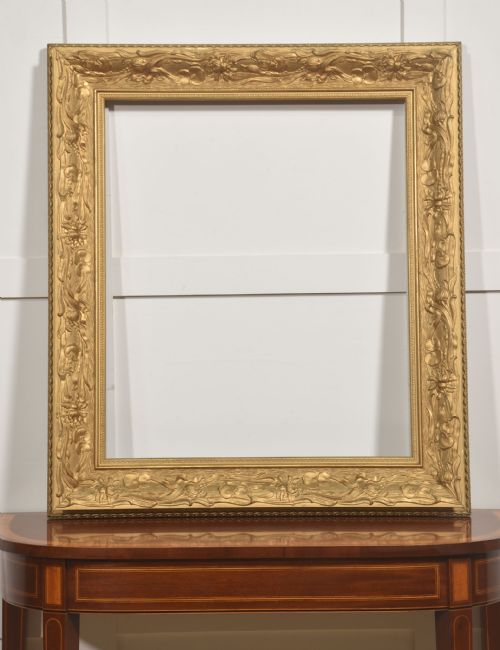

Decorative Gilt Framed Art
These decorative gilt framed art pieces bring centuries of painting, mirrors and prints into your home, unified by bright metallic borders.
Decorative Gilt Framed Art
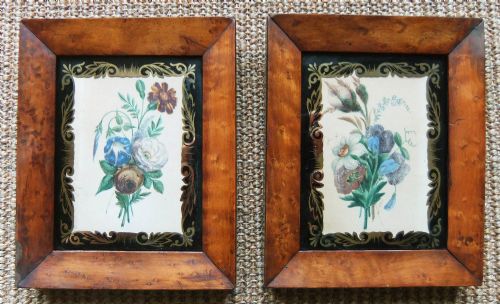
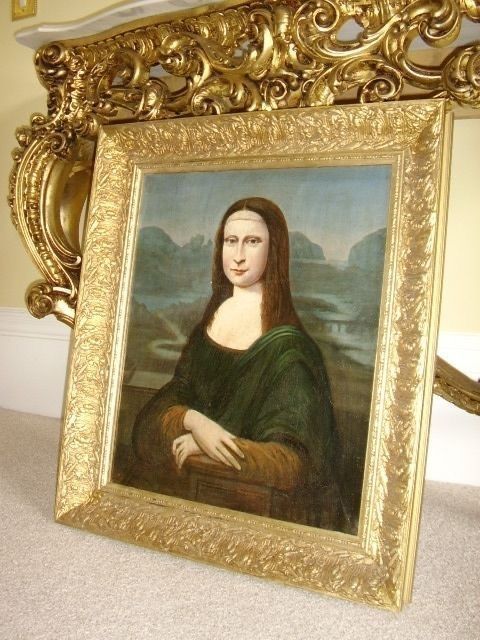
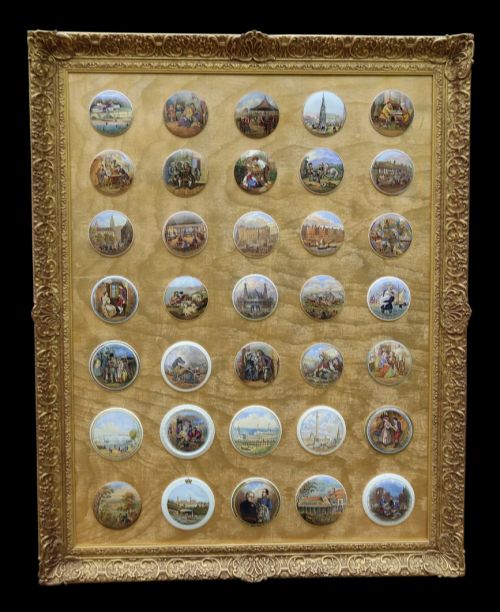
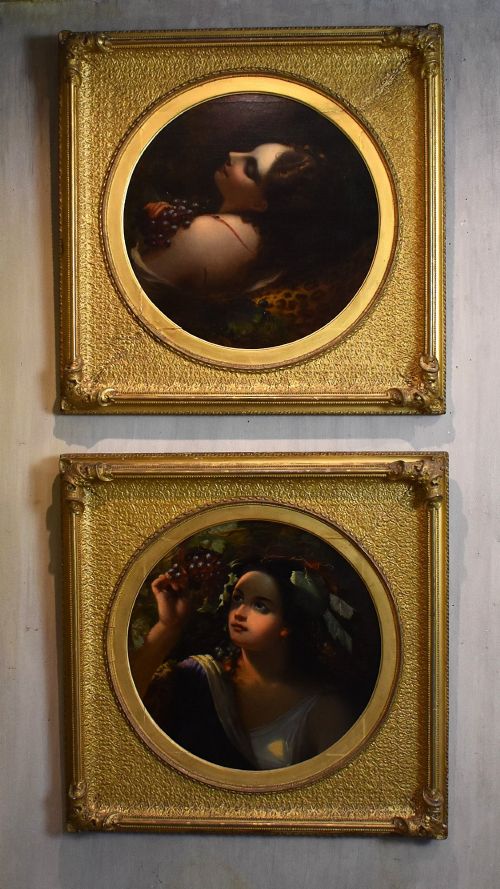
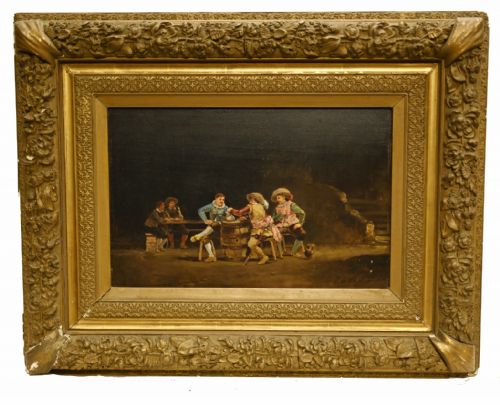
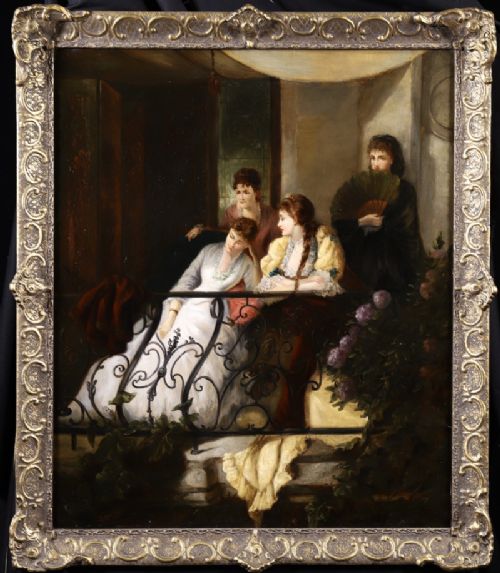
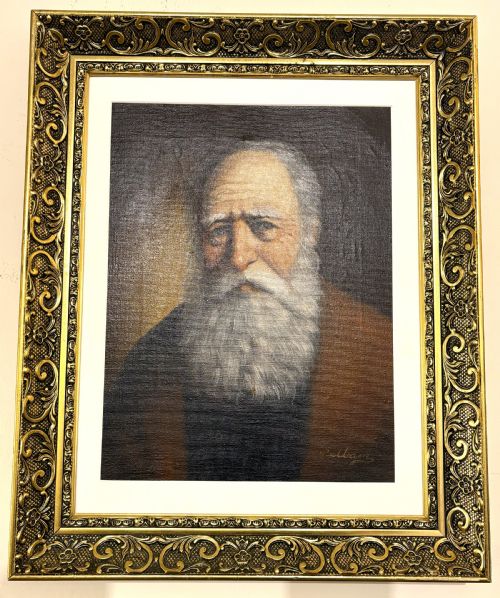
Decorative gilt framed art encompasses oil paintings, mirrors, framed prints, textiles and maps housed in gilded surrounds. When searching for decorative gilt framed art, you encounter diverse visual forms ranging from oil portraits and coastal scenes to theatrical decoupage, maps and mirrors.
The selections span multiple periods, with Victorian and nineteenth-century pieces appearing frequently alongside eighteenth-century works, Regency items, and twentieth-century examples from the Art Deco and Art Nouveau periods.
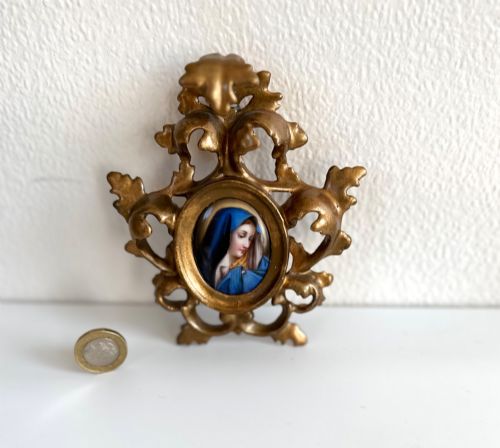
Origins vary widely across these listings, taking in British, French, Italian, and wider European schools. Objects range from grand oil paintings on canvas to intimate miniatures, painted fan leaves, and framed ceramic tiles.
How They Were Made
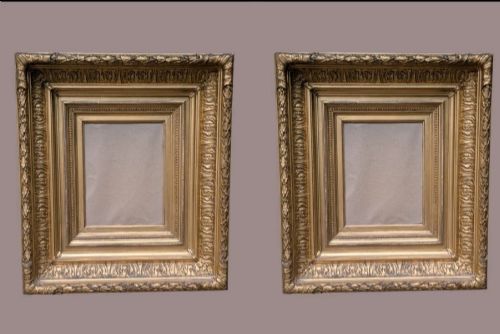
The physical construction of these pieces relies heavily on wood, glass, paper, and copper substrates paired with gilded surface treatments. Gilding is applied using gold leaf, gesso, or giltwood, creating bright reflective borders around the central artwork.
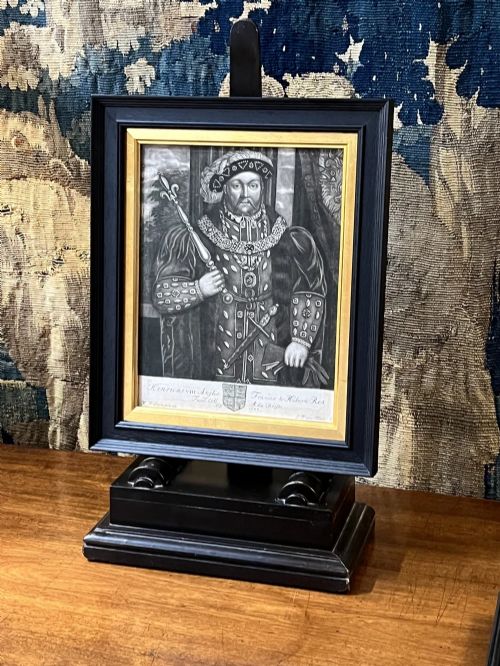
Artworks themselves utilise varied techniques, combining oil on canvas or board with watercolour, enamel painting on copper, mezzotint, lithography, and detailed embroidery. Frames are carved from wood or moulded with gesso, sometimes incorporating painted or enamelled metal details.
A nineteenth-century automaton hides among the quiet portraits and landscapes, ready to bring mechanical movement to your wall art collection.
What Varies in Quality
Quality reveals itself in the depth of hand-carving on wooden and gesso frames, where crisp ornamentation distinguishes finer work from simpler moulded profiles. The purity and application of the gold leaf or gilt finish also dictate the richness of the visual impact.
In the framed works themselves, the fidelity of the brushwork, the preservation of delicate paper or textile components, and the handling of light in oils or engravings separate standard domestic items from master-grade examples.
John Faber Snr·Hans Holbein The Younger·Theodore Jensen·J De Ninville·David Pelbam·William Hole·Frank Myers Boggs·J Mitan·John Gilroy·Ralph Hedley RBA
The Decorative Gilt Framed Art Glossary
- Giltwood
- Wood that has been coated with a thin layer of gold leaf or gilt powder. This technique provides a durable, reflective metallic surface for ornate picture frames and mirrors.
- Gesso
- A plaster-like mixture applied to wood frames to create a smooth surface for carving and gilding. Artisans use it to build up relief details before applying gold leaf.
- Mezzotint
- A printmaking process where the copper plate is roughened to achieve tones and rich dark areas. It allows for subtle gradations of light and shade in portraits and reproductions.
- Crystoleum
- A Victorian method of applying a hand-coloured print to glass, clearing the paper, and painting behind it. This technique produces a luminous, layered image with glass protection.
- Decoupage
- The art of decorating a surface with paper cutouts arranged to form a scene or pattern. It gained popularity during the Regency and Victorian periods for decorative screens and prints.
Decorative Gilt Framed Art: Frequently Asked Questions
What periods do these pieces come from?
The inventory spans several centuries, including seventeenth-century maps and panels, eighteenth-century portraits and sketches, and nineteenth-century Victorian works. You will also find Regency engravings alongside twentieth-century Art Deco and mid-century items.
This broad chronological range means you can pair seventeenth-century cartography with ornate Victorian frames or sleek 1930s mirror designs depending on your interior space.
How were these items used originally?
Many items served as domestic wall decoration, displaying family portraits, botanical studies, or theatrical scenes in formal reception rooms. Others, such as folding hand fans and embroidered panels, functioned as personal accessories or decorative wall hangings.
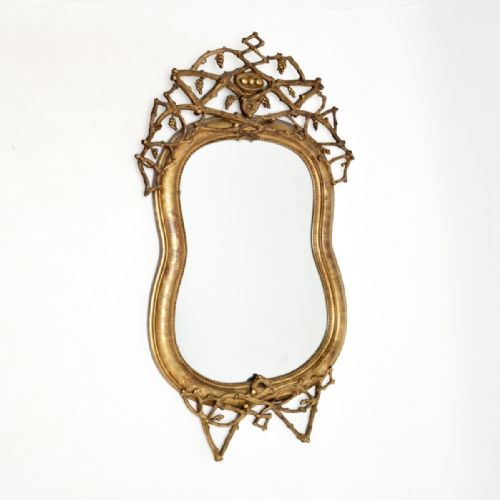
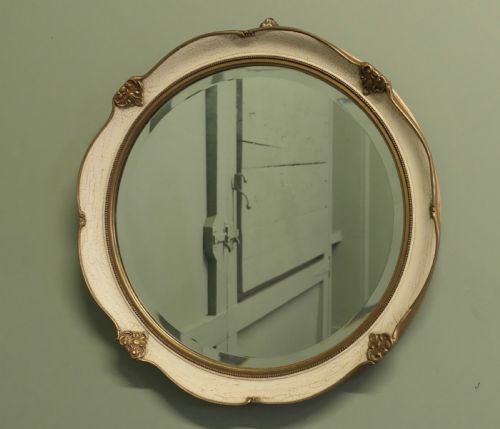
Mirrors were positioned to bounce natural daylight around dim period rooms, while maps and engravings recorded geography and classical grand tour sights for educated households.
How do I clean a gilt frame?
Gilt surfaces require gentle dusting with a soft, dry brush to remove particles without disturbing the delicate gold leaf or gesso relief. Avoid liquid cleaners, chemical solvents, or abrasive cloths that can strip away the metallic finish.
Professional conservation is recommended for deep cleaning or repairing flaking gesso on older seventeenth and eighteenth-century frames.
Can I hang oil paintings near sunlight?
Direct sunlight accelerates the fading of pigments in oil paintings, watercolours, and paper prints over time. It can also dry out wooden panels and canvas stretchers.
Position your framed art on interior walls away from direct solar exposure and high humidity to preserve the integrity of the canvas and the gilt frame.