




Decorative Gilded Wall Brackets
These decorative gilded wall brackets bring immediate warmth and reflected light to a room, catching the eye with their rich metallic surfaces.
Decorative Gilded Wall Brackets
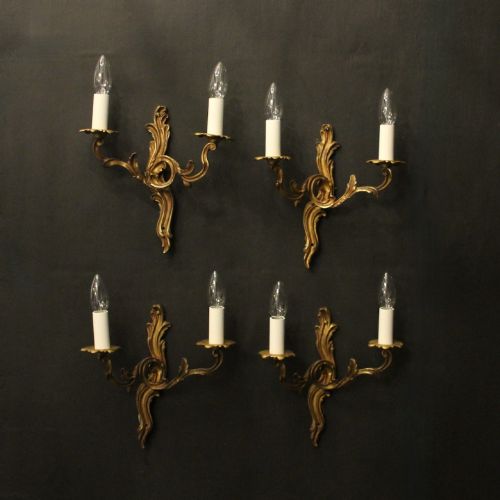
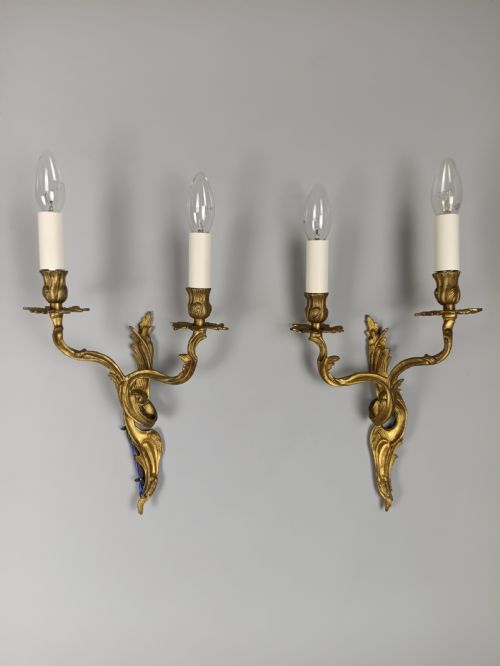
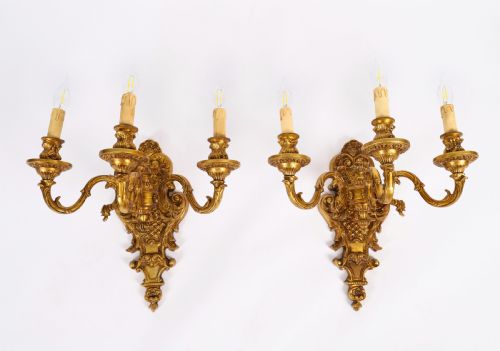
When you search for decorative gilded wall brackets, you encounter an array of wall-mounted supports, sconces, and lights spanning the nineteenth century into the early decades of the twentieth. These pieces serve primarily to hold small ornaments or cast warm illumination across a wall surface.
Dated examples on this page cluster around the Victorian era, nineteen-hundred, and the nineteen-twenties and thirties. You will find matched pairs appearing frequently alongside single feature pieces.
Materials and construction
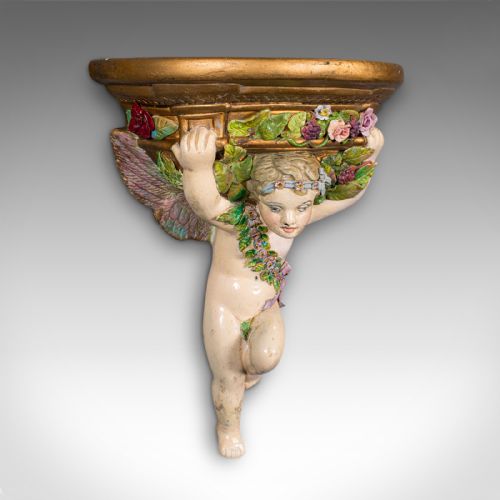
Makers shaped these decorative gilded wall brackets using carved wood, gesso, and giltwood to build ornate relief ornamentation. Gilt bronze, ormolu, and gilded brass appear regularly, providing durable metallic structures for arm lights and sconces.
Surface gilding transforms plain timber, plaster, and metal into luminous focal points that catch the ambient light. Polychrome painted details and ceramic inserts sometimes accent the metallic finishes.
Carvers and gilders applied traditional techniques to build up intricate scrollwork and floral motifs. Plaster mouldings and wooden bases received multiple layers to achieve a deep, reflective metallic sheen.
Materials across these listings include gesso, giltwood, metal, gilt bronze, brass, carved wood, and porcelain.
Distinctions in quality
The fineness of the carving dictates much of the visual success in wooden and giltwood pieces. Sharp, deeply undercut foliage and crisply defined scrollwork distinguish superior work from softer, mould-pressed alternatives.
The application and preservation of the gilding itself marks a clear division in grade. Intact gold leaf with subtle burnishing reveals superior craftsmanship compared to flat, uniform modern paint or heavily degraded finishes.
Structural integrity in the joints and arm fixings separates robust functional brackets from fragile decorative items. Heavier ormolu and cast bronze components demonstrate a precision in metalwork that elevates the piece.
Henri Dasson
The Decorative Gilded Wall Brackets Glossary
- Giltwood
- Wood that has been coated with gold leaf or a gold-coloured finish. This technique creates a rich, metallic surface on carved architectural elements and furniture.
- Gesso
- A plaster-like material applied to wood as a base for gilding or painting. It provides a smooth surface that carvers can shape into fine relief details before applying gold leaf.
- Ormolu
- Finely ground high-carat gold cast and mercury-gilded onto a bronze object. It gives a brilliant, durable golden finish popular in French decorative metalwork.
- Rococo Revival
- A nineteenth-century style mimicking the ornate, asymmetrical curves and shell motifs of the eighteenth-century Rococo movement. It dominates many of the curved wall lights and sconces found in this category.
- Wall Sconce
- A wall-mounted light fixture that uses brackets to support candles or electric lamps. These fixtures project illumination into hallways and reception rooms.
Decorative Gilded Wall Brackets: Frequently Asked Questions
How do I hang a heavy wall bracket safely?
Check the weight distribution and mounting points on the back of the bracket before installation. Secure fixings directly into wall studs or use appropriate heavy-duty wall anchors.
Ensure the wall material can support both the bracket and any object placed upon it. Consult a professional if you feel uncertain about the structural load.
Were these brackets meant for candles or electricity?
Many nineteenth-century and early twentieth-century wall lights were originally manufactured for candles or oil before later conversion to electricity. Surviving pieces often retain their original bobeches and drip pans.
Examine the wiring and bulb holders to determine if a past conversion meets modern electrical standards. Rewiring by a qualified electrician is often advisable for older fixtures.
How do I clean antique gilt surfaces without damage?
Dust gently with a very soft, dry brush or a clean microfibre cloth. Avoid all liquid cleaners, commercial polishes, and abrasive cloths that can strip the delicate gold leaf.
Water and chemical solvents react badly with aged gesso and gilding. Leave any deeper conservation work to an experienced professional restorer.
Can I mix different periods of wall brackets in one room?
Pairing Victorian giltwood pieces with later nineteen-thirties brass wall lights creates a layered, collected interior. Focus on matching the overall scale and metal tone rather than strict chronological dates.
Symmetrical placement works well for identical pairs, while single brackets suit asymmetrical arrangements. Balance the visual weight across the room by considering height and projection from the wall.