




Decorative Garden Urn Pair
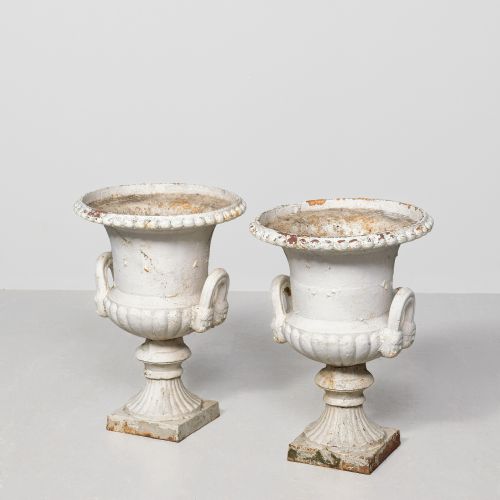
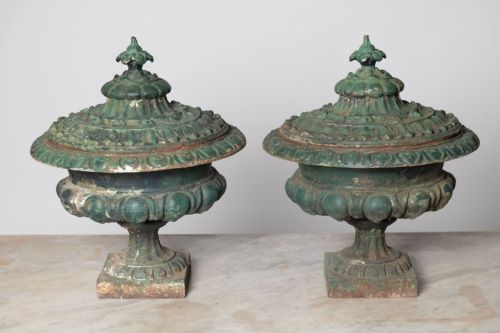
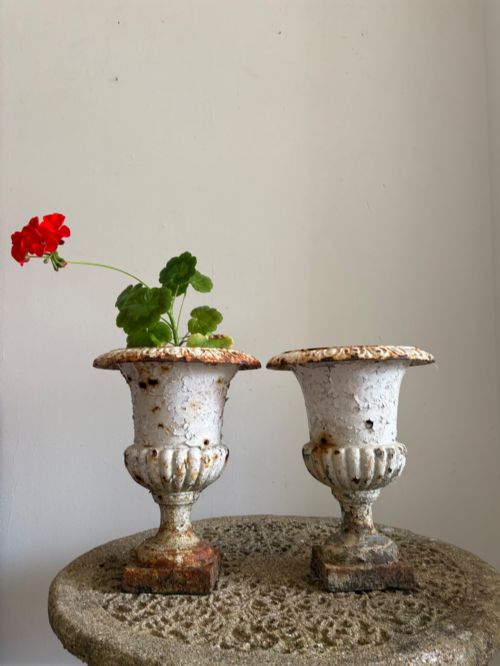
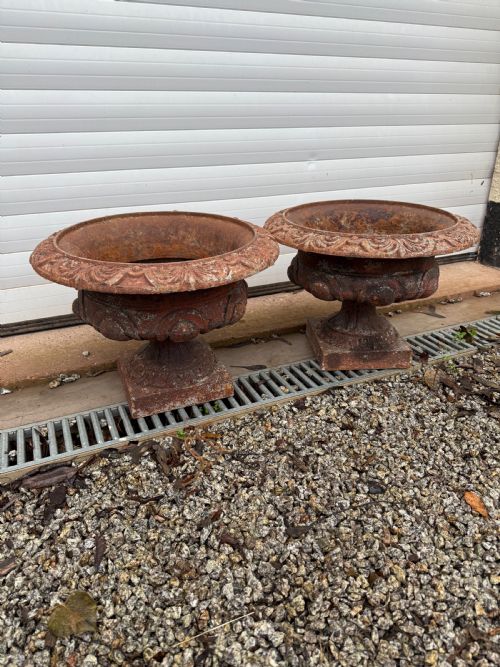
These decorative garden urn pair examples are classic focal points for grounds and terraces, offering enduring architectural presence.
Decorative Garden Urn Pair
A decorative garden urn pair brings symmetry and formal structure to outdoor spaces, drawing on classical forms established in earlier centuries. When searching for a decorative garden urn pair, buyers encounter substantial pieces designed to sit on stone piers, steps, or gravel pathways. Most examples found here belong to the nineteenth century, including Victorian interpretations and classical revival designs.
Materials and construction methods
Foundries produced these objects primarily through sand casting, using heavy cast iron to achieve durable vessels capable of withstanding year-round outdoor exposure. Makers frequently applied protective coatings of paint or enamel over the metal, with some surviving examples retaining traces of original painted finishes. Surface decoration was integrated directly into the casting process, yielding crisp neoclassical motifs, gadrooning, and classical handles.
Alternative traditions are represented by earthenware and ceramic bodies, notably Kyoto Satsuma wares finished with decorative detailing and occasional touches of gold leaf. Marble also appears among the material options, offering a finer grained surface for classical ornamentation. Cast iron remains the dominant medium, valued for its tensile strength and ability to hold intricate exterior relief work.
Decorative Garden Urn Pair Retail Price Guide 2026
Typical asking prices for decorative garden urn pair among the pieces listed under this phrase on Sellingantiques today, from the lower quarter to the upper quarter. They describe what is for sale here now, not the wider market.
Listings feature periods spanning the nineteenth century, including specific dates such as eighteen-seventy and the Edwardian era.
Distinguishing quality across the range
Quality in a decorative garden urn pair rests upon the crispness of the casting and the depth of the relief detailing. Finer examples display sharp, well-defined neoclassical foliage, clean handles, and balanced proportions that reflect careful foundry work. Poorer iterations lose definition in the mould, resulting in softened edges and flatter surface ornamentation.
The integrity of the material and the preservation of original surfaces also dictate distinction. Pieces retaining early or original paint layers, or those with stable, uncompromised metal structures, command greater interest than those subjected to excessive modern remediation. The presence of original matching lids or harmonious patination further elevates a pair.
Hakusan
The Decorative Garden Urn Pair Glossary
- Campagna urn
- A bell-shaped urn on a pedestal base, frequently utilised in classical garden design for its balanced proportions.
- Tazza
- A shallow bowl or cup mounted on a stem and foot, often used interchangeably with urn forms for planting.
- Cast iron
- An iron-carbon alloy poured into moulds to create rigid, heavy objects with high resistance to compression.
- Neoclassical
- A style reviving the decorative vocabulary of ancient Greece and Rome, characterised by symmetry, urns, and foliate scrolls.
- Satsuma
- A type of Japanese earthenware featuring a crackle glaze, typically decorated with enamels and gilding.
Decorative Garden Urn Pair: Frequently Asked Questions
Where should I place garden urns?
These pieces function best when positioned symmetrically to frame doorways, garden paths, or terrace steps. Their architectural weight allows them to anchor open lawn spaces or terminate long visual vistas.
Ensure the supporting surface is level and capable of bearing substantial weight, particularly with cast iron examples. Many owners place them on stone plinths to elevate the planting and protect the base from standing moisture.
Can these urns stay outside all winter?
Cast iron and heavy earthenware compositions generally withstand outdoor conditions throughout the year. However, accumulated moisture freezing within unplanted or poorly drained vessels can place stress on the material.
To protect the piece, ensure drainage holes remain clear and consider raising the base slightly off the ground during freezing months. Ceramic or earthenware versions benefit from relocation to a sheltered spot if severe frost is expected.
How do I identify a nineteenth century piece?
Nineteenth century examples typically exhibit the heavier weight and specific casting characteristics associated with period foundry production. Examination of the interior surfaces often reveals the rough texture characteristic of sand moulds used during that era.
Stylistic cues such as strict neoclassical proportions, original paint layers, and patination accumulated over decades help confirm age. Comparing the form against documented Victorian and classical revival patterns provides further context.
What is the best way to plant them?
Fill the lower section with lightweight material such as broken crocks or expanded clay to improve drainage and reduce overall weight. Follow with a suitable compost mix tailored to the specific plants you intend to use.
Trailing plants or architectural shrubs work particularly well, spilling over the rims to soften the rigid lines of the metal or ceramic. Regular maintenance prevents soil compaction and keeps the drainage system functioning correctly.