





Decorative French Brass Clock
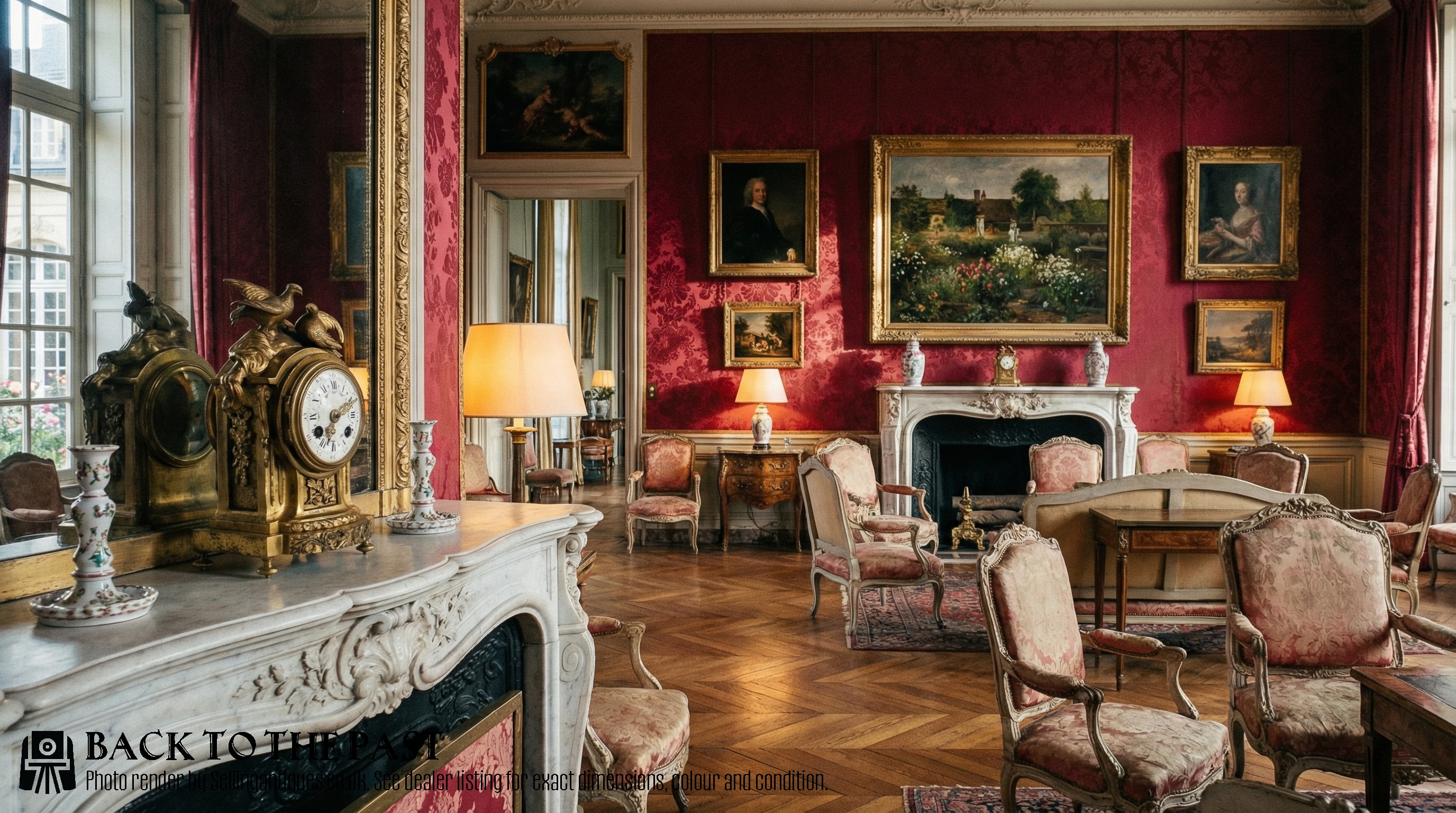
These decorative french brass clock examples bring gilt weight and dial detail into a room.
Decorative French Brass Clock
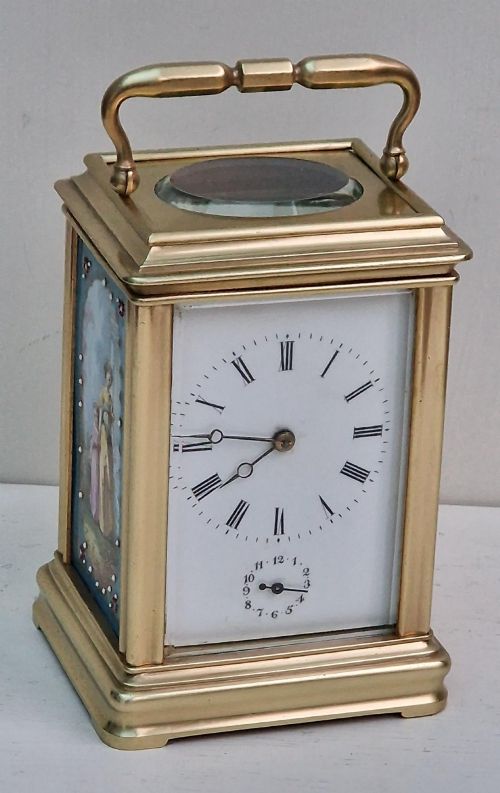
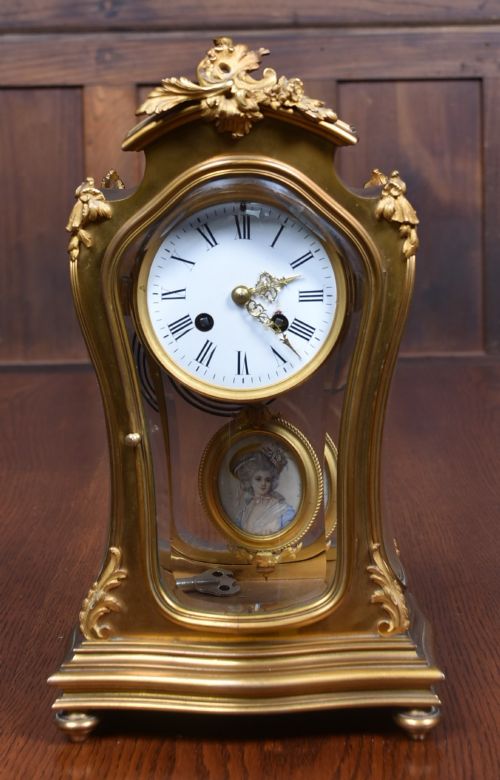
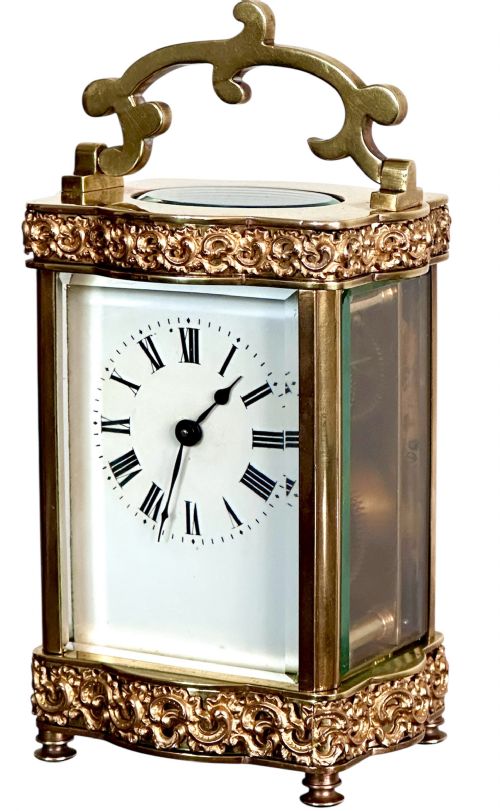
When you search for a decorative french brass clock, you encounter heavy mantel pieces and portable carriage formats made during the nineteenth century. The selection spans compact travel timepieces with glass panels and large architectural clock garnitures designed for drawing rooms.
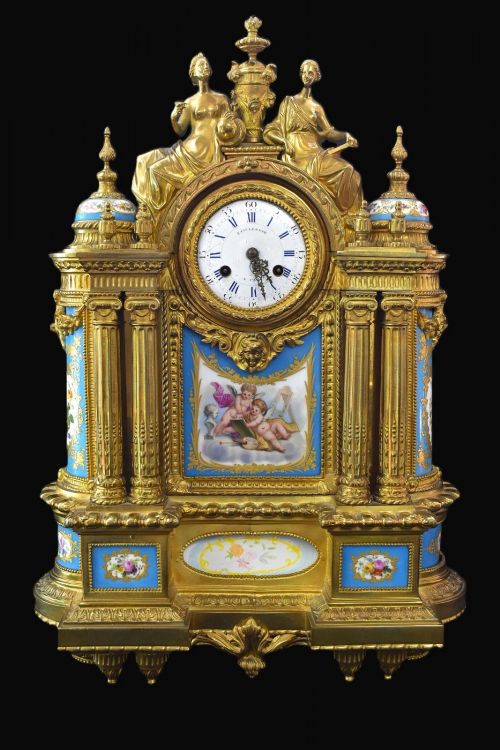
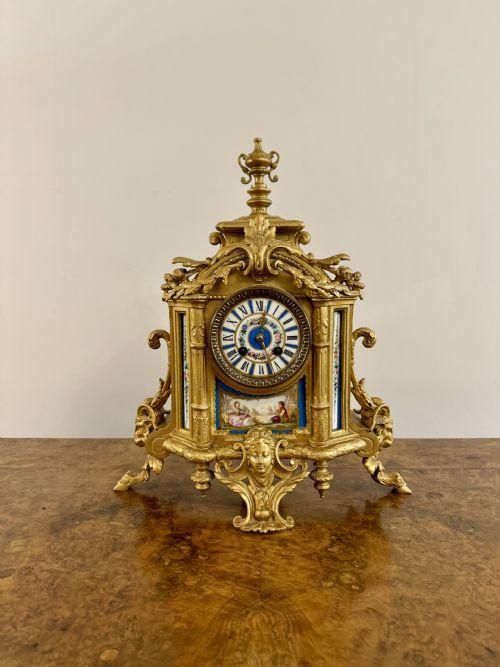
Mantel formats dominate the evidence, ranging from intricate Rococo revival castings to disciplined Empire and Louis styles. Carriage clocks appear frequently alongside them, often fitted with enamel dials or painted porcelain panels.
Origins cluster firmly in nineteenth-century workshops, drawing on periods such as the Victorian era, 1880, 1890, and earlier decades like 1850 and 1860. The aesthetic balances mechanical precision with ornamental brass, ormolu, and gilt bronze framing.
How They Were Made
Maker workshops utilised cast brass, ormolu, and gilt bronze to build sturdy cases that housed intricate gear trains. These metal structures frequently incorporated glass panels, marble plinths, and applied porcelain or enamel components.
Dials received hand-painted details, enamel chapter rings, and miniature paintings behind protective bezels. Cases combined structural bronze casting with fine chased ornamentation reflecting Louis XVI, Baroque, and Rococo revivals.
Listings feature eighteenth and nineteenth-century pieces incorporating marble, enamel, and gilt brass across mantel and carriage formats.
What Varies in Quality
The distinction between tiers rests on the crispness of the bronze casting and the depth of the gilding. Superior examples display sharp, hand-chased foliage and figural details rather than soft, rounded edges from worn moulds.
Dial execution also separates grades, with hand-painted enamel and signed miniature panels representing finer production standards than plain replacement faces. The integration of matching side garnitures or original leather travel cases elevates the overall integrity of a piece.
Etienne Lenoir·Le Roy, Paris·Duverdrey & Bloquel·Tiffany·Paul Garnier, Paris·Henri Jacot·Japy Freres·E Portelance
The Decorative French Brass Clock Glossary
- Ormolu
- A gold-coloured brass alloy used for decorative mounts on clock cases. It provides a bright, durable metallic finish without solid gold construction.
- Champlevé
- An enamelling technique where troughs are dug into the metal surface and filled with vitreous paste before firing. This creates colourful geometric or floral patterns across the brass frame.
- Garniture
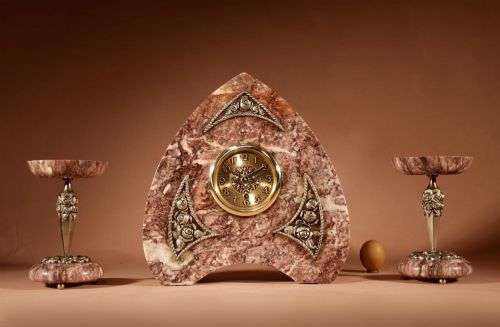
- A set consisting of a central clock flanked by matching ornaments such as vases or candelabra. These matched groupings were designed to sit symmetrically on a mantelpiece.
- Carriage Clock
- A small, portable spring-driven timepiece equipped with a carrying handle and glass panels. They were originally made for travel by coach during the nineteenth century.
- Boulle
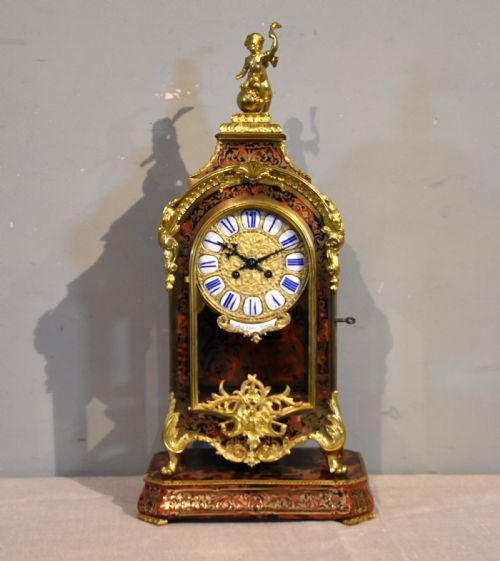
- A form of marquetry utilising brass inlaid into tortoiseshell or dark horn. It appears frequently on grand nineteenth-century mantel and bracket clocks.
Decorative French Brass Clock: Frequently Asked Questions
How do I wind a carriage clock?
Most mechanical carriage clocks require a key inserted into the winding arbor at the base or back of the movement. Turn the key gently until resistance signals the mainspring is fully wound.
Avoid overwinding the clock, as this can strain the internal spring mechanism. Regular, moderate winding keeps the timekeeping steady over an eight-day cycle.
What is a clock garniture?
A clock garniture is a matched set comprising a central mantel clock accompanied by two side pieces, such as vases or urns. These sets were designed to create a balanced focal point on a fireplace mantel.
Materials usually match across the entire set, combining brass, marble, or porcelain elements. The pieces share identical decorative motifs from periods like the Victorian era or Rococo revival.
How do I clean brass clock cases?
Dust brass and ormolu clock cases regularly with a soft, dry cloth to prevent grime buildup. Avoid chemical polishes, as abrasive liquids can strip away original gilding and damage delicate enamel work.
Glass panels benefit from standard glass cleaner applied to a cloth rather than sprayed directly onto the frame. This protects surrounding metal surfaces from moisture exposure.
Where should I place my mantel clock?
Mantel clocks need a stable, level surface away from direct sunlight, excessive moisture, and temperature fluctuations. A sturdy wooden shelf or mantelpiece supports the heavy bronze and marble weights effectively.
Ensuring the surface is level helps the pendulum swing evenly and prevents the movement from stopping. Keep the clock away from drafty windows to maintain consistent timekeeping.