
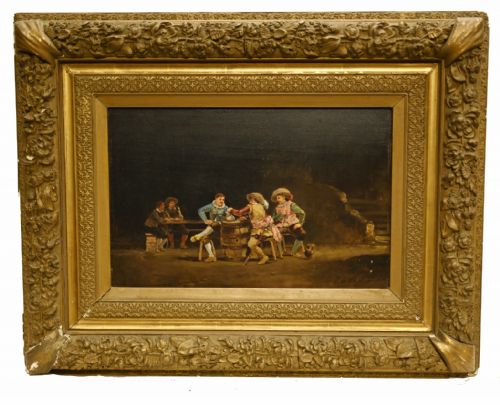
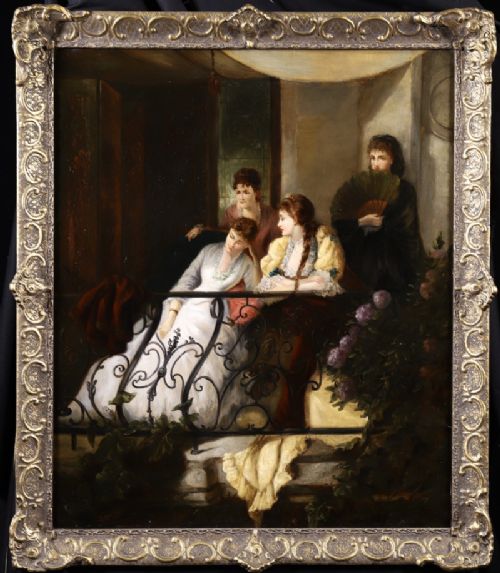
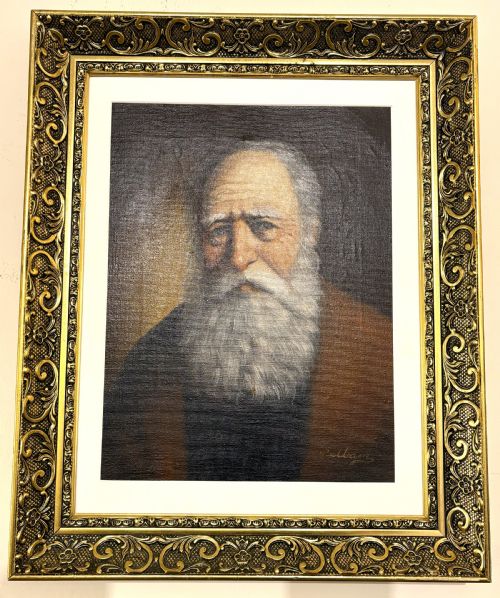


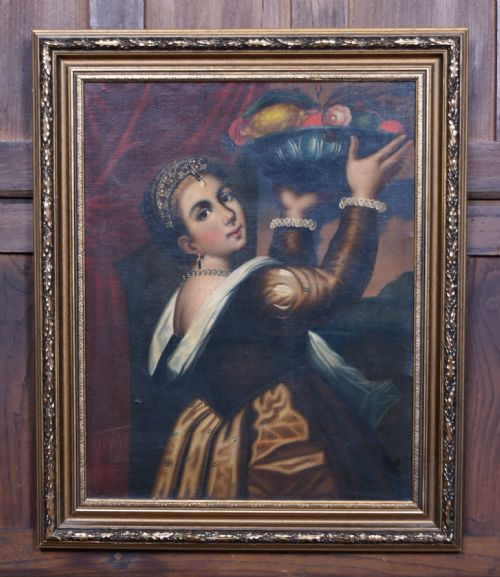

Decorative Framed Oil Painting
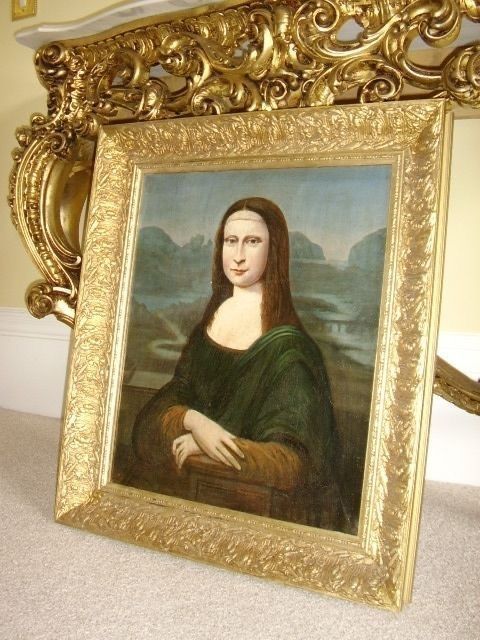
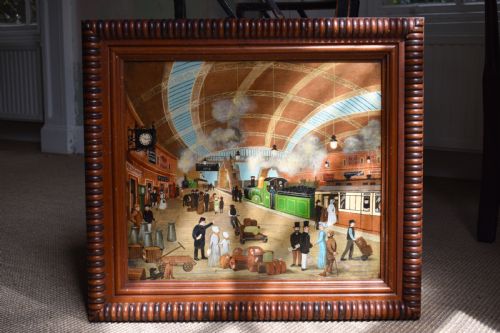
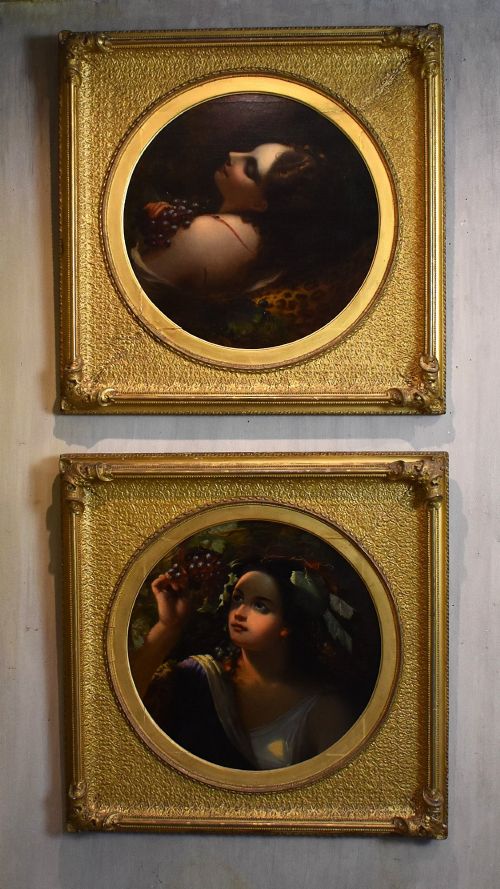
These decorative framed oil painting works unite historic canvas, board and panel with elaborate giltwood surrounds.
Decorative Framed Oil Painting
A decorative framed oil painting brings together historical oil paint on canvas, board or panel and its original or period housing. Buyers searching for a decorative framed oil painting encounter everything from small floral still lifes and maritime scenes to large portraits.
The pieces span multiple eras, including seventeenth-century Dutch landscapes, eighteenth-century Baroque compositions, and nineteenth-century classical scenes. Mid-century realist works and twentieth-century portraits also appear.
Many items combine paintings with protective or decorative surrounds such as giltwood, gesso or walnut frames, alongside pier mirrors featuring integral painted panels.
Materials and construction
Makers applied oil paint to prepared surfaces including canvas, wooden boards and painted panels. Canvases were often stretched across wooden supports before receiving layers of pigment.
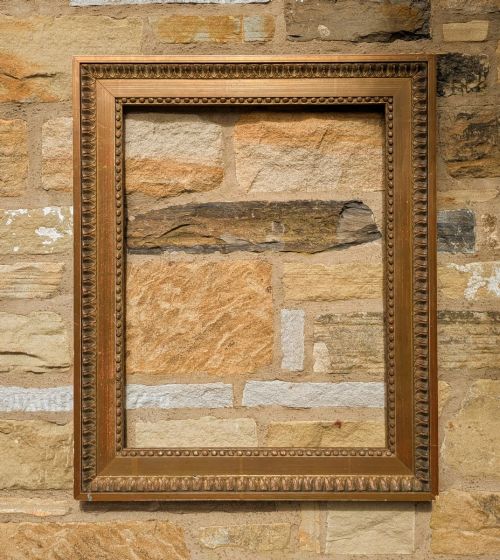
Frames utilise timber such as wood and walnut, heavily embellished with carved or moulded gesso and finished in giltwood or gilded wood. Architectural details like egg and dart mouldings frequently edge the surrounds.
A duck and her ducklings paddle across one canvas, keeping company with centuries of stately home interiors and stern portraits.
Assessing quality in framing and canvas
Quality rests in the harmony between the artwork and its housing, where deeply carved gesso and crisp giltwood mouldings complement the brushwork of the canvas. Finer examples display meticulous detail in figurative or landscape elements.
The preservation of the original surface, whether oil on canvas or oil on board, dictates the integrity of the piece alongside the structural soundness of the wooden frame.
Theodore Jensen·John A Monteith·Stuart Armfield·Constant Ludovic Artz·Frank Myers Boggs·John Gilroy·Ralph Hedley·William Wissing·John Wallace
The Decorative Framed Oil Painting Glossary
- Giltwood
- Timber coated with gold leaf or a gold-coloured finish. This material dominates the frames housing these oil paintings.
- Gesso
- A plaster-like mixture applied to wood frames and carved before gilding. It allows for intricate surface ornamentation.
- Baroque
- An ornate artistic style originating in the seventeenth century. Baroque paintings often feature dramatic lighting and rich compositions.
- Trompe l'oeil
- An artistic technique that creates optical illusions of three-dimensionality. These paintings trick the eye into perceiving real objects.
- Pier mirror
- A tall mirror designed to hang on the wall between windows. Some examples incorporate an integral oil painting within the structure.
Decorative Framed Oil Painting: Frequently Asked Questions
What periods do these paintings come from?
The inventory spans multiple centuries, reaching back to seventeenth-century Dutch landscapes and eighteenth-century Baroque compositions.
Victorian pieces, nineteenth-century portraits, and twentieth-century works by various European and British schools also feature prominently.
Are the frames original to the canvases?
Many works retain their period surrounds, including nineteenth-century gilt frames with egg and dart mouldings or gesso detailing.
Some pieces pair historic canvases with period-appropriate wooden or gilded frames collected over time.
What surfaces were used for these artworks?
Artists painted on several different supports, predominantly oil on canvas and oil on board. Painted wooden panels and tempera on board also appear.
Some items combine mirrors with integrated oil painted panels.
How should I hang a framed oil painting?
Ensure the wall can support the weight of the timber frame and canvas, utilising secure fixings suited to heavy giltwood.
Position the artwork away from direct sunlight and fluctuating heat sources to protect the oil paint and gilded frame.