



Decorative Folk Box
These decorative folk box examples bring tactile, regional character into a room through carved timber, painted pine, and traditional vernacular forms.
Decorative Folk Box
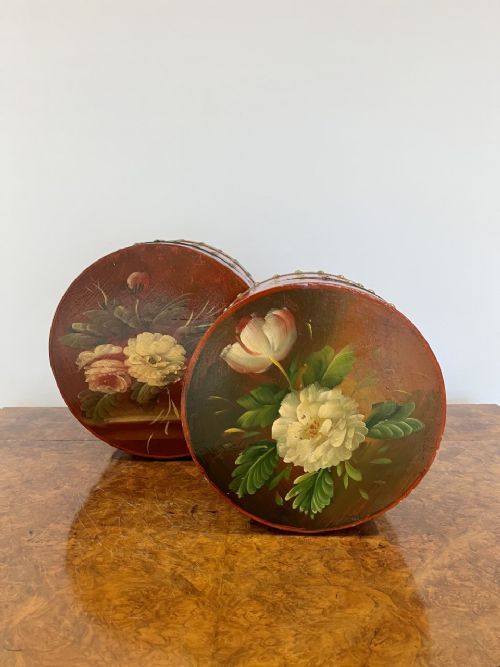
A decorative folk box represents the rich intersection of utilitarian storage and vernacular craft, taking forms such as chests, trunks, bentwood apothecary storage boxes, and round storage boxes. When searching for a decorative folk box, collectors most frequently encounter 19th-century pine examples and Scandinavian country pieces, particularly those finished with hand-painted surfaces.
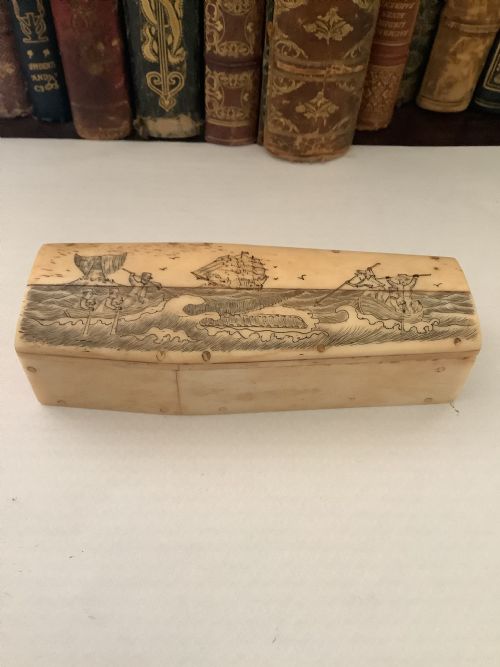
The objects span varied cultural traditions, including Swedish Baroque metal-bound boxes, Hungarian Arts and Crafts storage vessels, and nautical or Victorian folk art pieces. These containers were originally fashioned for domestic storage, personal keepsakes, or specialised tasks like apothecary provisions, carrying the everyday utility of their period.
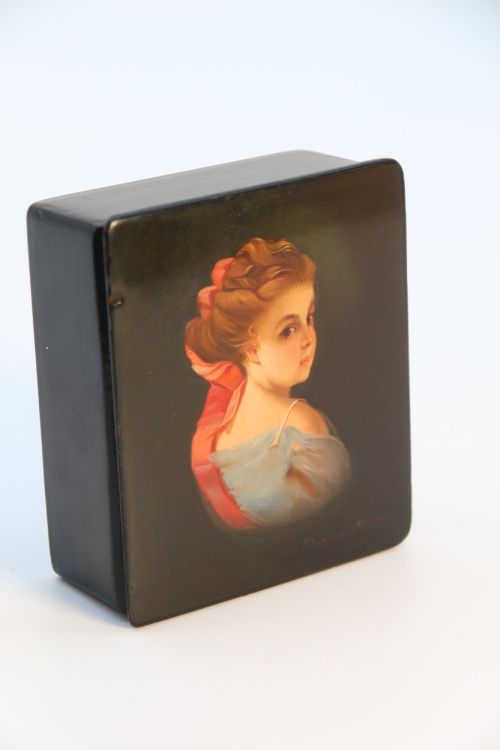
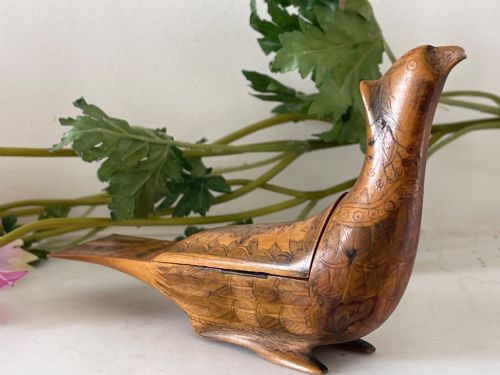
Beyond standard pine and hardwood boxes, the category extends to intimate items such as table snuff boxes and carved vessels utilising natural materials. Each piece balances practical containment with the expressive visual language of regional decorative arts.
Materials and construction methods
Makers relied primarily on native timbers such as pine and assorted hardwoods, shaping them into sturdy structures often strengthened with iron bindings or constructed using traditional bentwood techniques. These containers frequently featured hand-painted surface decorations applied with pigment over prepared grounds, giving pieces like Swedish tine boxes and storage chests their distinctive colourful finishes.
Intricate detailing involved skilled carving, demonstrated in hardwood snuff boxes and carved bone elements that display meticulous hand-tooling. Natural materials like coconut shell were also shaped and integrated into the broader tradition of decorative vessels and small receptacles.
Decorative Folk Box Retail Price Guide 2026
Typical asking prices for decorative folk box among the pieces listed under this phrase on Sellingantiques today, from the lower quarter to the upper quarter. They describe what is for sale here now, not the wider market.
Listings feature items spanning the mid-18th century through the Edwardian period, utilising pine, hardwood, bone, and coconut shell.
Assessing quality in folk containers
Quality in these items rests upon the integrity of the original construction and the preservation of hand-painted or carved surfaces. Superior examples display confident, skilled brushwork and deeper patination acquired through age and handling.
The relationship between structural joinery and decorative execution dictates the standing of a piece within the tradition. Boxes retaining their original pigment and uncompromised metal or wooden bindings command greater attention from those studying vernacular material culture.
The Decorative Folk Box Glossary
- Bentwood
- Wood that has been shaped by steaming or soaking until pliable and then secured into curved forms. This technique is frequently utilised in traditional storage boxes and apothecary containers.
- Patina
- The surface sheen and coloration developed through years of handling, exposure, and ageing. A rich deep patina indicates authentic historical use.
- Tine
- A traditional Scandinavian wooden box constructed with overlapping bent sides and secured with wooden pins or stitching. These pieces often feature hand-painted floral or geometric motifs.
- Pigment
- Natural colouring material applied to the wooden surface of boxes and chests. Surviving early pigment adds significant visual character to folk art pieces.
- Memento mori
- An artistic or symbolic reminder of the inevitability of death, occasionally found in carved bone or specialised artefacts from the period.
Decorative Folk Box: Frequently Asked Questions
What were decorative folk boxes used for?
These containers served practical domestic functions, holding everything from household provisions and dry goods to personal valuables, documents, and snuff. Their construction prioritized secure containment while reflecting regional aesthetic preferences.
Over time, many transitioned from utilitarian workshop or household items into decorative display objects cherished for their handcrafted character and historical narrative.
How do I identify a 19th-century pine box?
Nineteenth-century pine pieces typically exhibit historical tool marks, hand-cut joinery, and the natural mellowing of softwood over decades of use. Iron hardware and hand-painted surfaces provide further chronological context.
Examining the underside, interior joints, and pigment adhesion helps confirm the period manufacture and distinguishes genuine antique examples from later reproductions.
What is Scandinavian country style in boxes?
Scandinavian country style encompasses functional wooden items characterised by clean forms, durable pine construction, and distinctive hand-painted ornamentation. These pieces often draw on Baroque or traditional folk motifs.
Objects from this tradition frequently incorporate metal banding, bentwood construction, or tine box designs that highlight Northern European vernacular craft.
How should I care for painted wooden folk art?
Painted wooden surfaces require stable indoor humidity and protection from direct sunlight to prevent pigment fading, drying, and wood splitting. Gentle dusting with a soft cloth preserves the delicate finishes.
Avoid chemical cleaners or excessive moisture, allowing the natural surface patina and historical paint layers to remain undisturbed.