


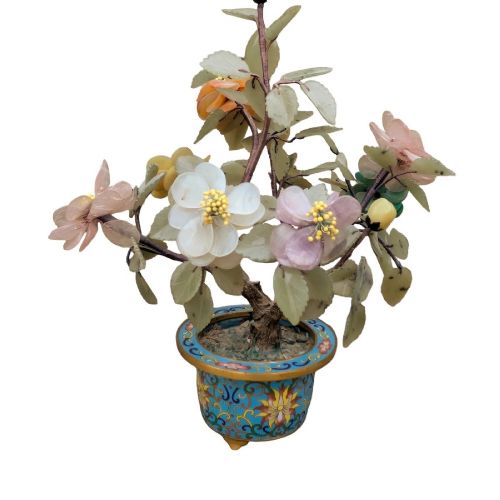


Decorative Flower Pot
A decorative flower pot brings form and life together, offering a stately vessel for foliage while standing as an ornament in its own right.
Decorative Flower Pot
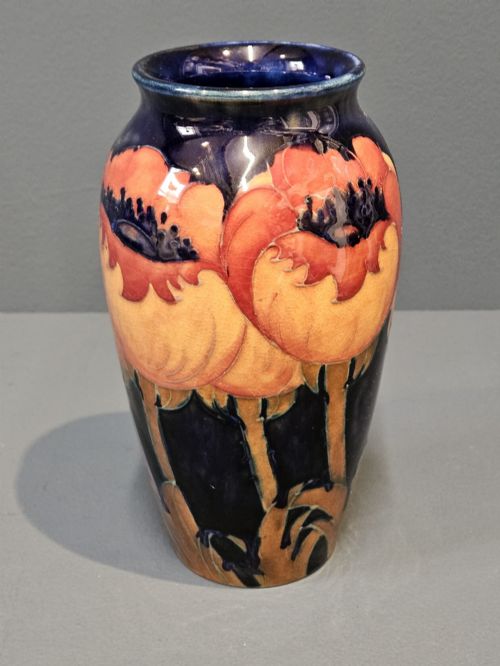
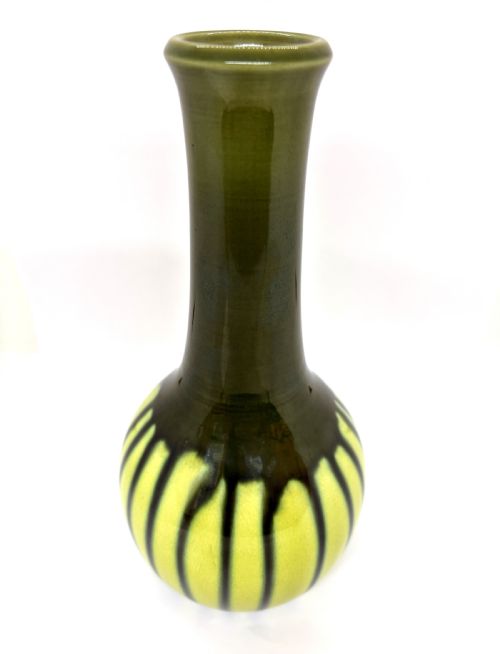
When searching for a decorative flower pot, buyers encounter a diverse selection of jardinieres, plant stands, urns, and vases originating from the nineteenth and early twentieth centuries. These vessels served both practical horticulture and interior display, housing indoor plants or standing alone as focal points in period rooms.
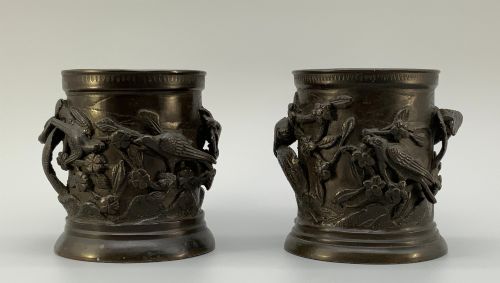
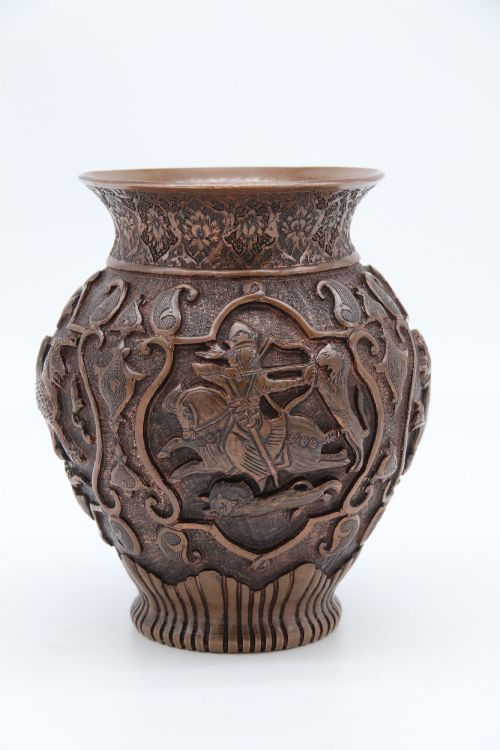
The pieces on this page span styles from Victorian and Edwardian manufacturing to Japanese Meiji period bronzes, Chinoiserie, and Art Nouveau designs. Forms range from heavy ceramic planters and earthenware pots to elaborate metal vases and cloisonné jardiniere stands.
Originating across Britain, continental Europe, and Asia, these objects reflect the global tastes of past decades. Whether utilitarian copper buckets or intricate porcelain blush ivory pots, each item demonstrates the period's dedication to ornamental utility.
Materials and construction
Pottery, porcelain, earthenware, and stoneware form the ceramic core of these pieces, often shaped into majolica taste vessels or delicate blush ivory bodies by makers such as Royal Worcester and Doulton. These ceramic items rely on careful glazing, hand-painting, and moulding to achieve their decorative surfaces.
Craftsmen applied surface treatments ranging from gold leaf highlights to detailed enamel work. The integration of mixed media, such as hardstone jade within bronze frameworks, highlights the technical ambition behind many Oriental and Victorian examples.
Decorative Flower Pot Retail Price Guide 2026
Typical asking prices for decorative flower pot among the pieces listed under this phrase on Sellingantiques today, from the lower quarter to the upper quarter. They describe what is for sale here now, not the wider market.
Some nineteenth-century copper buckets originally meant for hearth coal now happily host cheerful ferns instead.
Judging quality and craftsmanship
Quality rests upon the crispness of the hand-carving and chasing on metal pieces, or the precision of the glaze and transfer work on ceramics. Superior examples exhibit deliberate, refined ornamentation rather than hurried mass production.
The integrity of materials and weight distinguish finer pieces, particularly in bronze vases, copper planters, and heavy earthenware or porcelain vessels. Maker attribution and the cohesion of the design style, whether Arts and Crafts or Meiji period, further elevate a piece's standing.
Moorcroft·Burmantoft s Pottery·Makuzu Kozan II·Royal Worcester·Doulton Lambeth·Coalport
The Decorative Flower Pot Glossary
- Jardiniere
- A large ornamental pot or stand designed to hold a plant or floral arrangement. These vessels often sit on floor-standing tables or directly on mantelpieces.
- Repoussé
- A metalworking technique where the metal is hammered from the reverse side to create a raised design in relief. This method brings depth to copper and brass vessels.
- Cloisonné
- An ancient technique for decorating metalwork objects with colourful material held in place by thin metal strips. It appears frequently on Asian decorative pots.
- Blush ivory
- A soft cream-coloured porcelain finish popularised by manufacturers like Royal Worcester. It typically provides a subtle background for floral enamelling.
Decorative Flower Pot: Frequently Asked Questions
What is a decorative flower pot used for?
These vessels house live indoor plants, bonsai trees, and cut flowers, functioning simultaneously as standalone decorative sculptures within a room.
Historically, they protected interior surfaces from water while adding a refined artistic element to domestic spaces.
How do I care for antique metal planters?
Maintain metal surfaces by dusting gently with a soft cloth and avoiding harsh chemical polishes that strip historical patination.
Protect interior linings with a separate plastic insert if using them for living plants to prevent moisture damage.
What periods do these pieces come from?
The inventory spans the nineteenth and early twentieth centuries, encompassing Victorian, Edwardian, and Art Nouveau eras.
Meiji period Japanese works and nineteenth-century Chinese ceramics also feature prominently among the available items.
How do I identify a jardiniere stand?
Jardiniere stands are tall tables or portico furniture specifically engineered to elevate heavy plant pots and decorative urns.
They often incorporate ebonised wood, marble tops, or lower shelves designed to support botanical displays.