





Decorative Flower Art
Decorative flower art brings botanical forms into interior spaces through ceramics, glass, paintings and metalwork spanning the Victorian era to the mid-twentieth century.
Decorative Flower Art
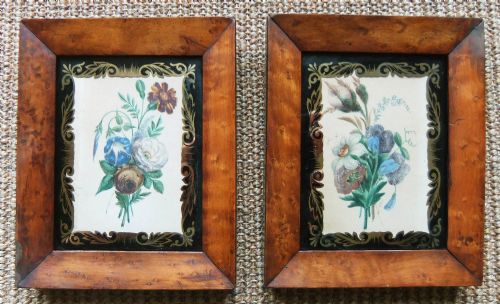
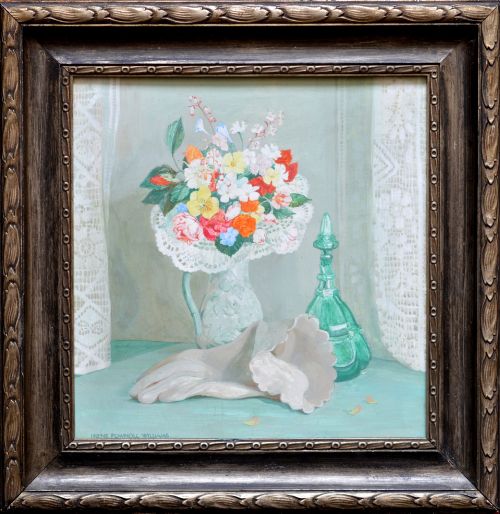
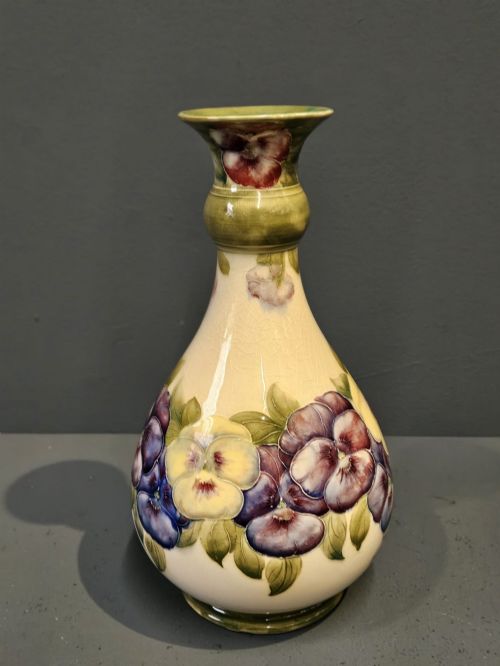
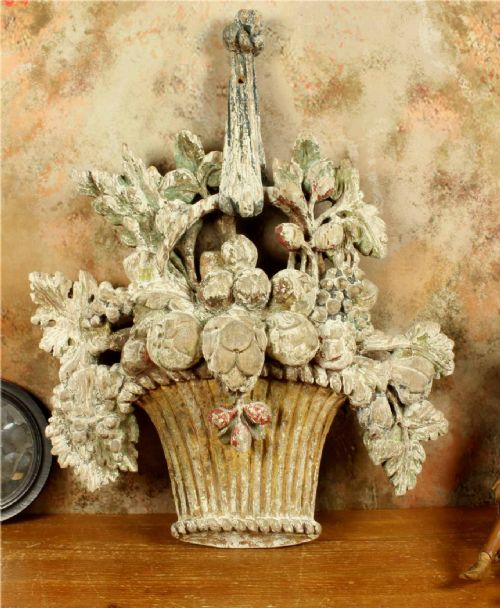
When buyers search for decorative flower art, they encounter a diverse array of objects capturing botanical subjects across multiple eras and mediums. The selection on this page centres primarily on vessels, paintings, bowls and wall reliefs that incorporate floral motifs.
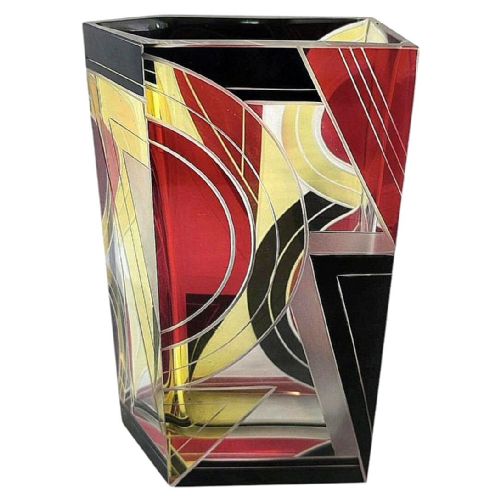
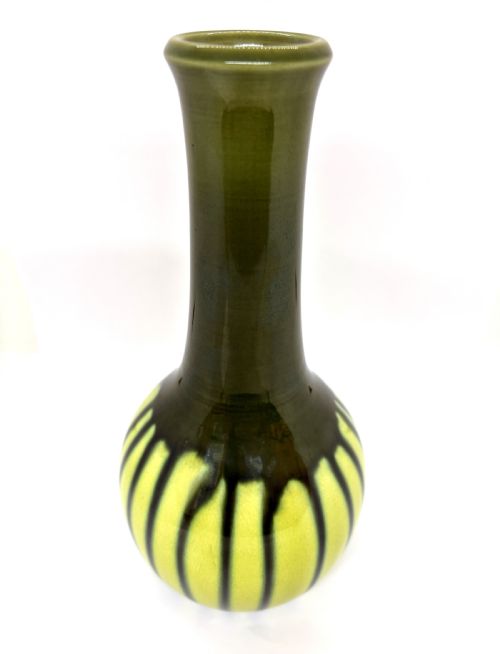
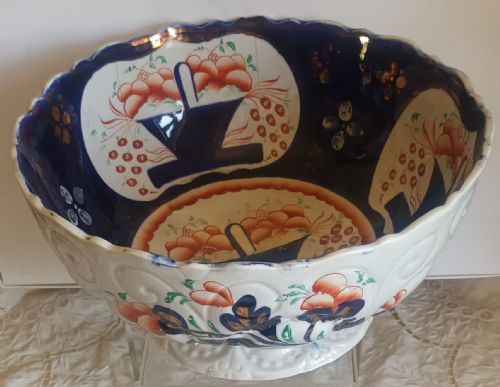
Vases and ceramic pieces dominate the offerings, originating from notable potteries and glassworks during the Art Nouveau and Art Deco periods. Alongside these ceramic forms, buyers will find period paintings, glass bowls and metalwork carrying distinct floral ornamentation.
Materials and Techniques
Makers utilised earthenware, stoneware, glass and copper, applying glazes, enamel and gold leaf to render floral subjects. Glass pieces often exhibit cameo carving, iridescent treatments or opalescent finishes achieved through specialised cooling and moulding techniques.
Ceramic vessels combine thrown or moulded clay bodies with hand-painted or slip-decorated botanical designs, sometimes finished with metallic mounts. Paintings employ tempera and watercolour on panel, board or paper to capture floral still lifes and watercolours.
Decorative Flower Art Retail Price Guide 2026
Typical asking prices for decorative flower art among the pieces listed under this phrase on Sellingantiques today, from the lower quarter to the upper quarter. They describe what is for sale here now, not the wider market.
Listings feature works created across seven distinct periods, spanning from the nineteenth century through the mid-twentieth century.
Evaluating Quality
Quality rests upon the precision of the execution, the clarity of the material and the sophistication of the design. In glassware, depth of colour, control of iridescence and the crispness of cameo relief distinguish finer examples.
For ceramics and metalwork, the finesse of the hand-painted enamel, the balance of the form and the integrity of the glaze application determine the standing of a piece within its period.
Loetz·Royal Doulton·Daum·R Lalique·Moorcroft
The Decorative Flower Art Glossary
- Art Nouveau
- A stylistic movement characterised by flowing, organic lines and floral motifs, prominent around nineteen hundred. This aesthetic heavily influences many glass and ceramic pieces in the collection.
- Cameo Glass
- Glassware created by layering different coloured glasses and carving away the exterior layers to leave a raised design. This technique allows intricate multi-coloured floral patterns to emerge.
- Pâte de Verre
- A glasscasting method where crushed glass is packed into a mould and fused in a kiln to produce dense, textured objects. The resulting pieces display rich colour gradation and a frosted appearance.
- Jardiniere
- An ornamental ceramic or metal pot designed to hold a large plant or floral arrangement. These vessels often feature relief moulded or hand-painted botanical ornamentation.
- Stoneware
- A robust ceramic fired at high temperatures until vitrified, making it impermeable to liquids. Makers frequently decorate these dense bodies with incised floral patterns and coloured salt glazes.
Decorative Flower Art: Frequently Asked Questions
What periods do these pieces cover?
The objects span from the nineteenth century through the Edwardian era, Art Nouveau, Art Deco, and into the mid-twentieth century. This timeline captures significant shifts in design sensibilities regarding botanical illustration and decorative arts.
Items from the earlier decades lean towards traditional painted representations and relief carvings, while twentieth-century examples embrace stylised interpretations in glass and ceramics.
How were these decorative items used?
Many ceramic vessels and glass bowls served practical functions as vases, jardiniere planters, or table centerpieces for holding flowers. Paintings and wall reliefs functioned strictly as interior ornamentation.
Owners displayed these items within domestic interiors to bring natural forms into living spaces during the Victorian and modern periods.
How do I care for antique glass and ceramics?
Gentle dusting with a soft, dry cloth is usually sufficient for maintaining surfaces on ceramics and metalwork. Glass pieces benefit from occasional careful hand washing in lukewarm water with mild soap, avoiding harsh abrasive cleaners.
Protecting items from direct sunlight and sudden temperature changes helps preserve delicate enamel work and gold leaf details.
How can I tell Art Nouveau from Art Deco pieces?
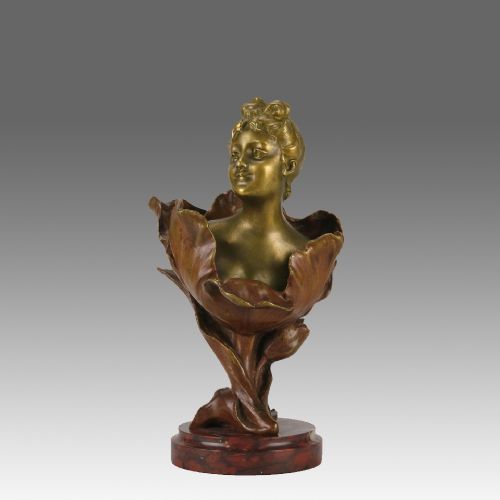
Art Nouveau items feature asymmetrical, flowing lines inspired by natural plant stems and flower petals. The forms tend to be organic, curving and fluid.
Art Deco pieces rely on geometry, symmetry and stylised, blocky floral patterns. The silhouettes become more architectural and streamlined compared to earlier organic designs.