





Decorative Floral Pot
These decorative floral pot pieces bring botanical forms and rich ornament into a room, spanning English earthenware and Asian metalwork.
Decorative Floral Pot
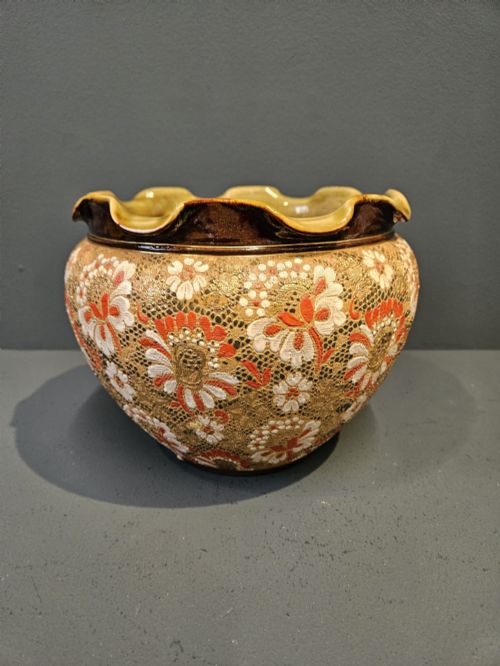
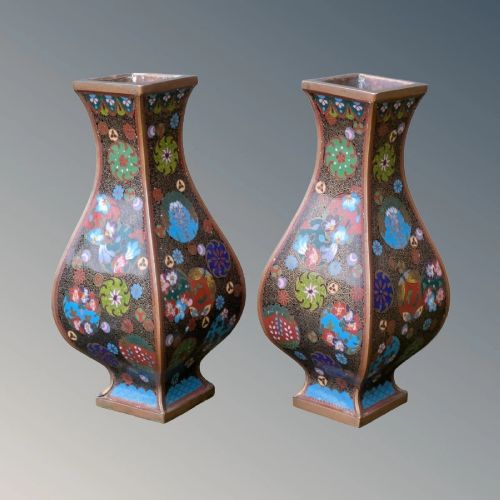
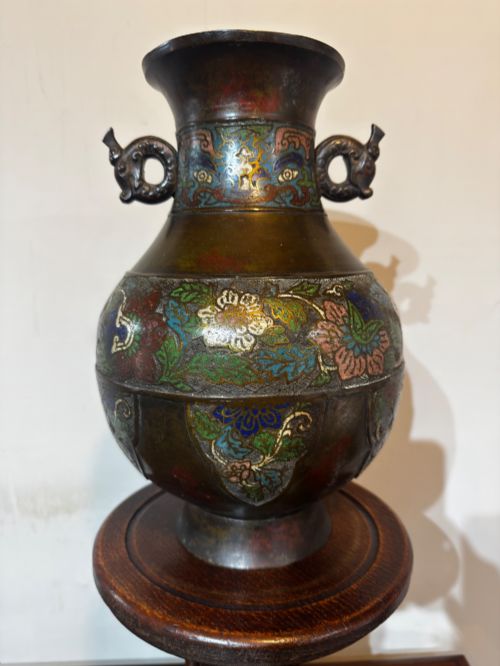
A decorative floral pot covers a range of vessels designed to display plants or hold cut blooms, including jardinières, vases, and lidded jars. You will frequently encounter ceramic jardinières from English potteries alongside Japanese cloisonné enamel and bronze vessels.
The pieces on this page draw from the nineteenth century through the Art Deco period, incorporating Victorian taste and Edwardian production alongside Qing Dynasty and Meiji period origins. Forms vary from large pedestal planters down to small posy vases and pot pourri jars.
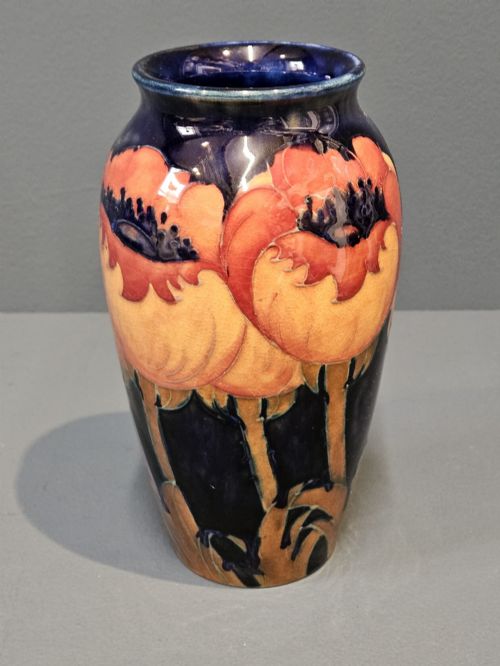
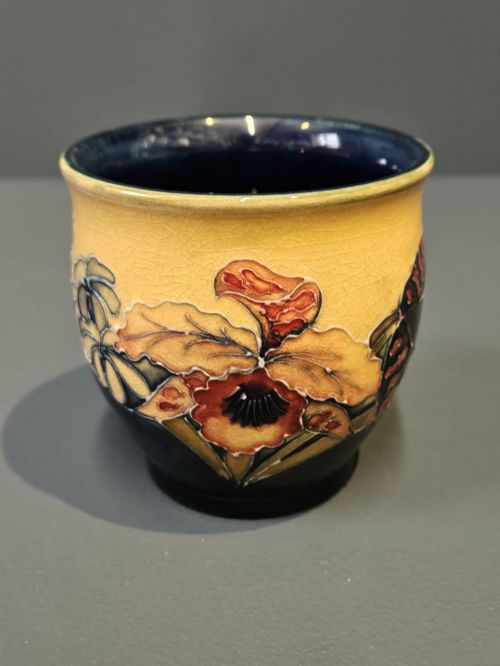
Makers such as Royal Doulton, Royal Worcester, and Moorcroft dominate the English ceramic selections, while overseas pieces rely on traditional metalwork and enamel techniques. Each object serves either a direct horticultural function or a purely ornamental role.
How They Were Made
Pottery items utilise earthenware, ceramic, and porcelain bodies finished with majolica glazes or delicate hand-painted motifs, often mounted on pedestals or brass bases. Artisans shape these pieces by throwing on a wheel or casting in moulds before applying detailed surface decoration.
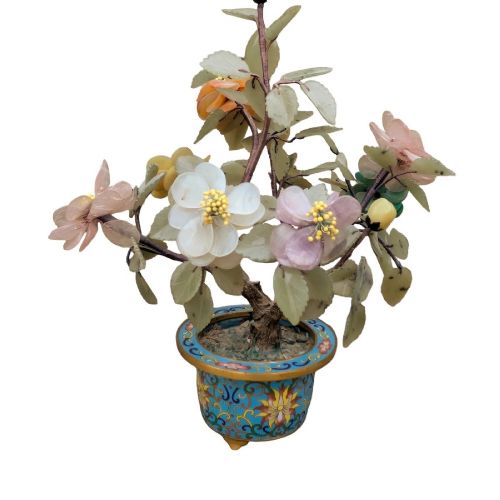
Metal vessels employ bronze, brass, and copper formed through casting or embossing, frequently decorated with champlevé or cloisonné enamel work. Artisans lay down fine wire cells to hold coloured enamels or carve directly into the bronze surface to create intricate patterns.
Decorative Floral Pot Retail Price Guide 2026
Typical asking prices for decorative floral pot among the pieces listed under this phrase on Sellingantiques today, from the lower quarter to the upper quarter. They describe what is for sale here now, not the wider market.
Listings span the 19th Century, Victorian, Edwardian, and Art Deco periods, featuring ceramic, bronze, enamel, and brass materials.
What Varies in Quality
The standard of a decorative floral pot depends on the precision of the hand-painting, the clarity of the enamel work, and the depth of the relief moulding. Finer pieces demonstrate careful control during high-temperature firing and meticulous finishing of bronze or brass mounts.
Works from established potteries display crisp transfers and hand-applied colour that remain sharp across the entire body. Simpler utility vessels show less refinement in their glazing and display basic cast metal surfaces without intricate wirework.
Royal Doulton·Royal Worcester·Moorcroft·Burmantofts·Samuel Alcock·Doulton Burslem
The Decorative Floral Pot Glossary
- Jardiniere
- A large ornamental pot or stand designed to hold a live plant indoors. These vessels often sit on floors or heavy tables to support ferns and flowering plants.
- Cloisonne
- A decorative metalwork technique where fine metal wires form raised barriers on a surface to enclose distinct compartments of coloured enamel. Artisans then fire the piece to fuse the glass paste into place.
- Majolica
- A type of earthenware coated with an opaque tin glaze and painted with bright metal oxide colours. This technique produces glossy, highly saturated surfaces popular in Victorian tableware and planters.
- Pot pourri
- A lidded vase or jar pierced with holes to release the scent of dried flowers and spices held within. These containers combine ornamental ceramic bodies with functional ventilation covers.
Decorative Floral Pot: Frequently Asked Questions
What is a jardiniere?
A jardiniere is an ornamental pot designed specifically to hold a live potted plant rather than cut flowers.
These pieces typically feature waterproof ceramic or metal bodies that protect indoor surfaces from moisture.
How do I use a pot pourri vase?
A pot pourri vase holds aromatic dried plant mixtures inside a lidded container designed with pierced openings.
The holes in the cover allow natural fragrances to diffuse gently into living spaces.
Are these pots waterproof?
Most ceramic and metal jardinieres and planters handle soil and moisture well due to their glazed interiors or solid metal construction.
Some antique pieces with delicate enamel or unglazed earthenware require a hidden inner liner to protect the historic material.
How do I date a cloisonne pot?
Dating cloisonné relies on examining the weight of the metal base, the brightness of the enamel colours, and the style of the wirework.
Nineteenth-century examples often feature heavier bronze foundations and complex multi-coloured geometric or avian motifs.