




Decorative Fireplace Mirror
A decorative fireplace mirror brings architectural presence and reflected light into a room, anchoring the hearth with period character.
Decorative Fireplace Mirror
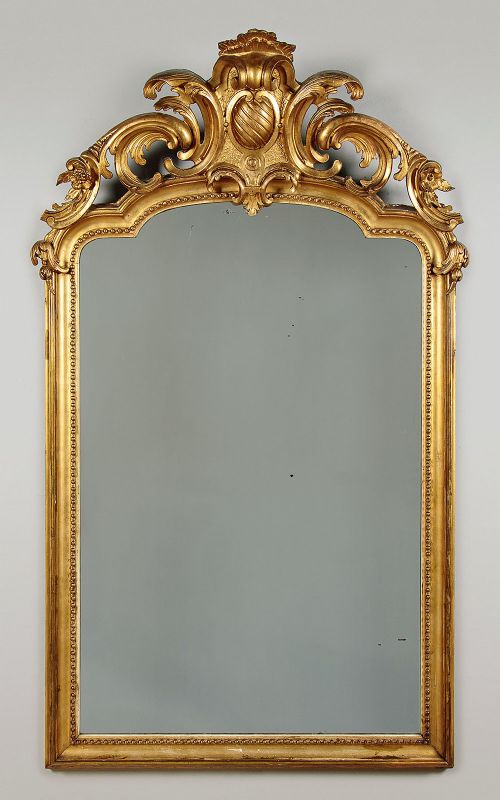
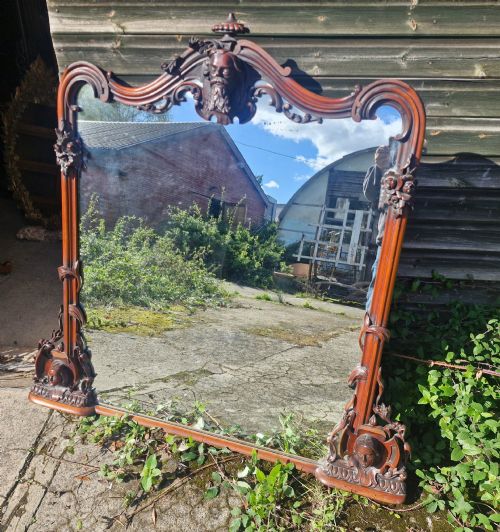
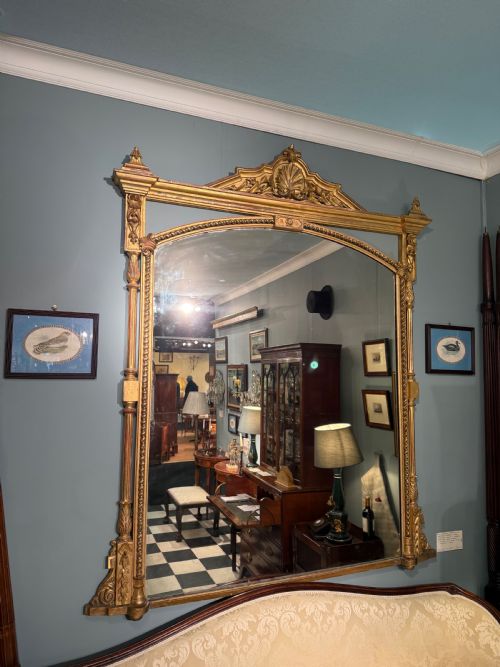
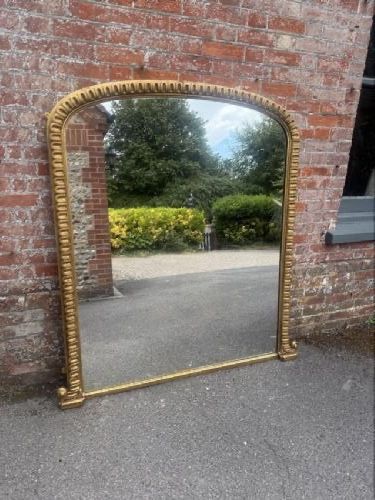
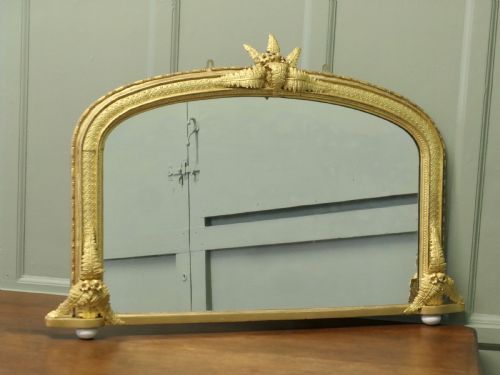
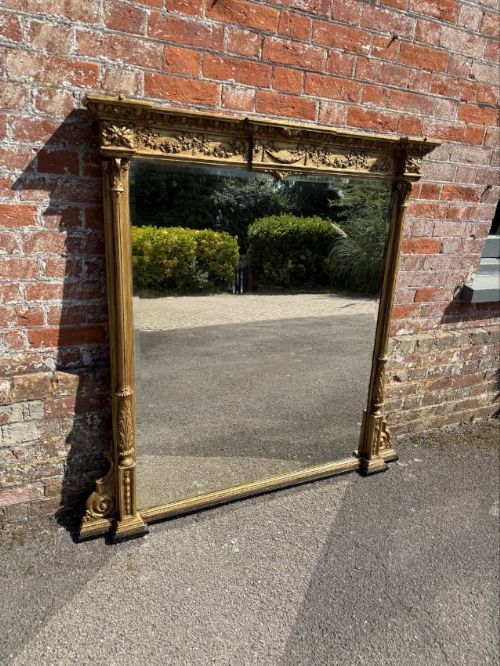
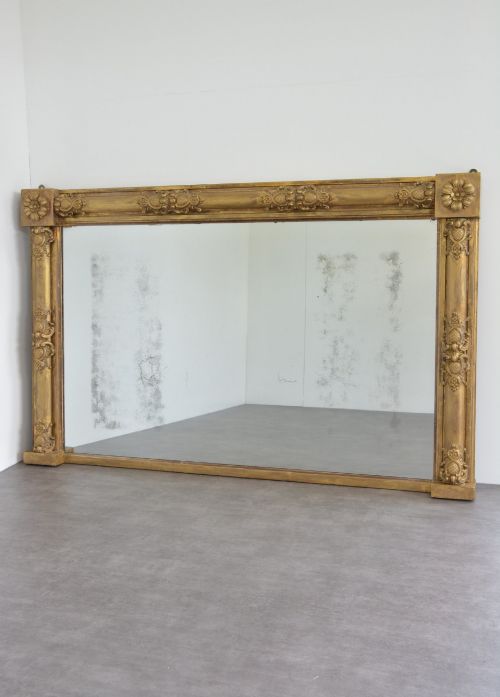
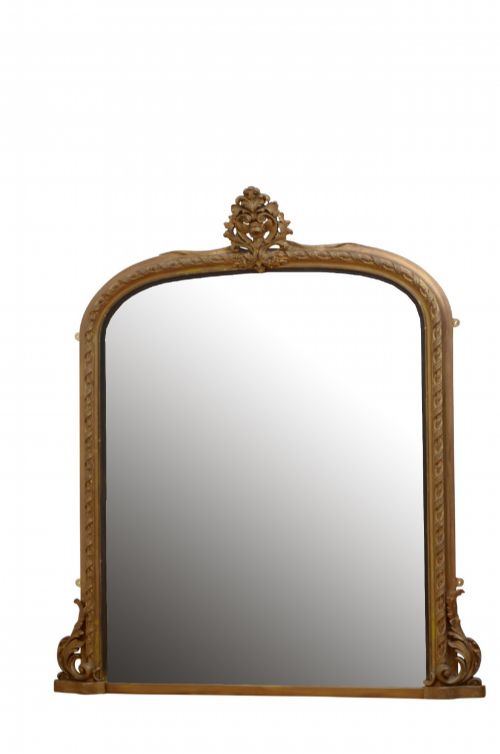
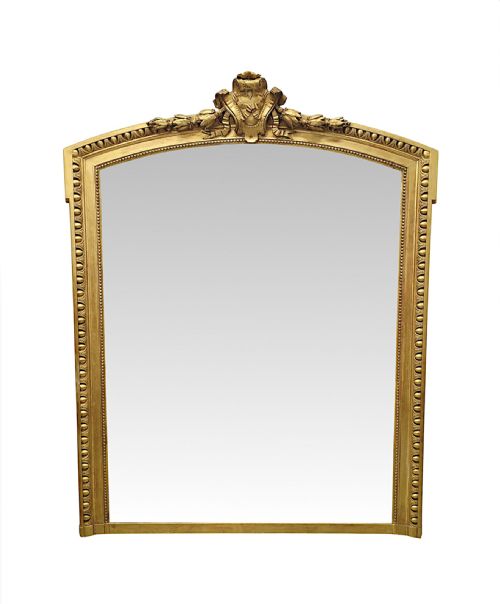
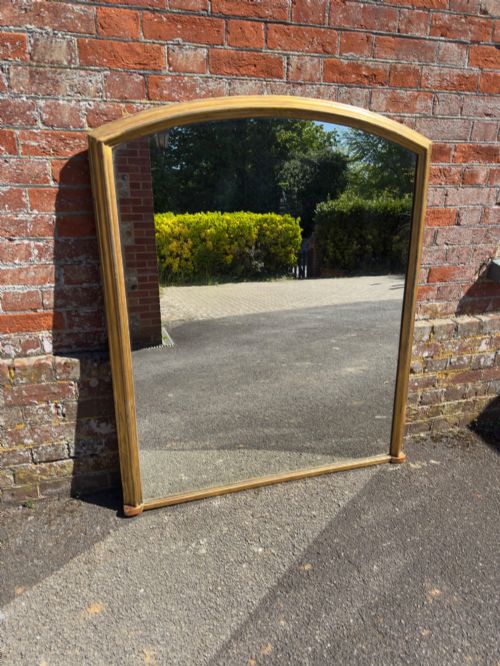
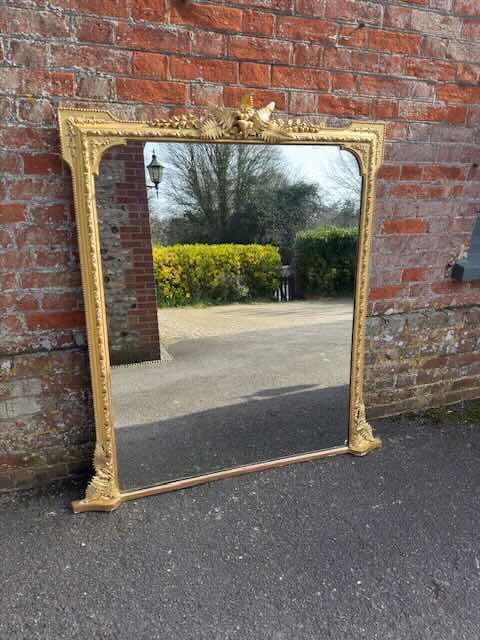
A decorative fireplace mirror typically takes the form of a large overmantel mirror designed to sit directly above a mantelpiece, drawing the eye upwards. These pieces originate predominantly from the nineteenth century, including Regency, Victorian, and Edwardian eras, alongside occasional Art Deco and Art Nouveau variations. You will encounter architectural arched tops, rectangular frames with decorative pediments, and specific variants like brass or mirrored fireplace screens.
The format heavily favours substantial dimensions built to command the wall space above a chimney breast. While many examples present classical gilt finishes, variations include ebonised frames, white paint, and peach-coloured glass. Alongside traditional wall-hanging mirrors, the inventory includes functional fire screens designed to shield a hearth when not in use.
Materials and construction
Makers constructed the foundational frames from carved wood, applying layers of gesso to build up intricate relief ornaments, rope twists, and central cartouches before finishing the surface with gold leaf or gilding. This combination allowed workshops to create deep, complex mouldings that held their definition across large surfaces.
Mirrors incorporated heavy plate glass, occasionally featuring light foxing or etching that indicates age. Later twentieth-century examples integrated alternative materials such as brass framing and coloured glass plates tailored to Art Deco tastes.
Decorative Fireplace Mirror Retail Price Guide 2026
Typical asking prices for decorative fireplace mirror among the pieces listed under this phrase on Sellingantiques today, from the lower quarter to the upper quarter. They describe what is for sale here now, not the wider market.
Listings span the nineteenth and twentieth centuries, uniting Regency, Victorian, Edwardian, and Art Deco periods through giltwood, gesso, and brass materials.
Assessing quality and finish
The standard of a decorative fireplace mirror rests largely on the crispness of the gesso and wood carving. Superior examples display deep, manually defined relief work on their pediments and cartouches rather than soft, flat moulding.
The integration of the frame joints and the depth of the gilding further separate standard production from exceptional pieces. Original mirror glass with authentic age marks also contributes to the integrity of the piece.
The Decorative Fireplace Mirror Glossary
- Overmantel mirror
- A large mirror specifically proportioned to hang on the wall directly above a fireplace mantelpiece. These pieces often feature horizontal emphasis or arched tops to match architectural proportions.
- Gesso
- A plaster-like mixture applied to wood frames and carved or moulded into decorative relief details before gilding. It provides the smooth base necessary for applying gold leaf.
- Giltwood
- Timber that has been coated with gold leaf or gold paint. It forms the primary visual finish for the majority of traditional nineteenth-century examples.
- Cartouche
- An ornamental framed panel resembling a scroll or shield, often placed centrally on the pediment of a mirror. It acts as a focal decorative element.
- Foxed glass
- Mirror glass that exhibits small dark spots, blemishes, or a mottled fading caused by the degradation of the silver backing over decades. Many collectors prize this sign of genuine age.
- Pediment
- The decorative architectural structure surmounting the top of the mirror frame. It provides a formal crown to the composition.
Decorative Fireplace Mirror: Frequently Asked Questions
How do I hang a heavy overmantel mirror safely?
These large mirrors carry significant weight due to their timber frames and thick glass plates. Secure the piece directly into the wall studs using heavy-duty brackets suited to the load.
Professional installation is recommended to ensure the weight distributes evenly across the chimney breast or wall structure.
What is a fireplace screen mirror used for?
Fireplace screen mirrors served a dual purpose in period interiors, acting as decorative objects during warmer months when fires were unlit. They filled the empty hearth space and reflected ambient room light.
Unlike wall-mounted overmantels, these portable pieces often feature feet or stands for floor placement.
How do I date a nineteenth-century mirror?
Dating relies on examining the frame style, construction techniques, and the backboards. Regency pieces often show clean classical lines, while 1860s and 1870s examples frequently feature elaborate gesso moulding and carved rope twists.
Stylistic shifts towards Art Nouveau and Art Deco introduce distinct geometric or sinuous floral motifs from later decades.
Should I replace foxed mirror glass?
Original glass showing foxing and age spots is generally preserved by collectors as evidence of authenticity. Replacing the glass removes part of the historic character.
Provided the reflection remains functional, the natural ageing enhances the visual depth of the piece.