



Decorative Fire Tools
Decorative fire tools bring warmth and character to a hearth, combining practical ironwork and brass with the sculptural elegance of past centuries.
Decorative Fire Tools
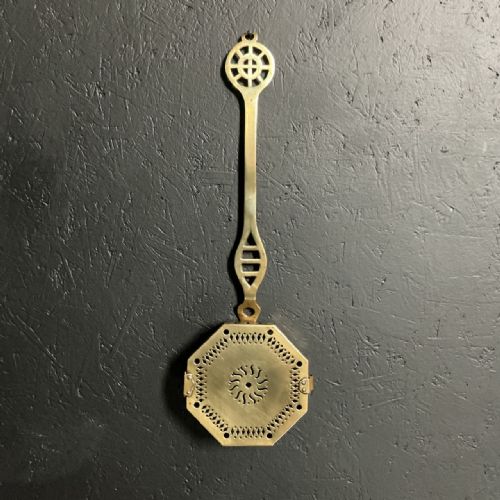
Decorative fire tools comprise implements and accessories designed for managing an open hearth while adding visual interest to a room. Buyers searching for decorative fire tools encounter items ranging from complete companion sets to individual pieces like chestnut roasters and bellows.
The selections span periods including the Regency and Victorian eras, alongside specific designs such as Gothic Revival and Arts and Crafts. Brass and wrought iron dominate the forms, frequently accompanied by wood and leather elements.
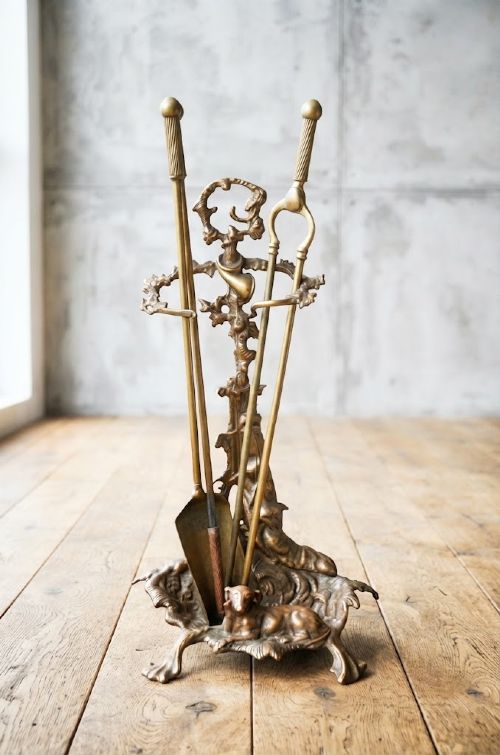
Companionship stands and umbrella stands also appear within this category, often featuring cast brass or handpainted surfaces. These accessories served both domestic utility and ornamental display in historic interiors.
How they were made
Makers shaped wrought iron through traditional blacksmithing techniques to create durable fire irons and andirons. Steel and cast brass provided alternative sturdy mediums for fire tools intended for daily hearth use.
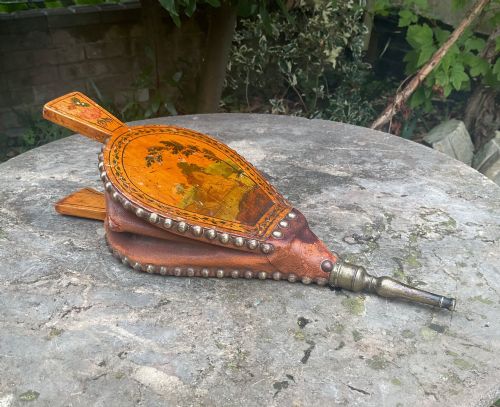
Bellows combined wood frames with leather panels and brass detailing, incorporating handpainted decoration such as Chinoiserie musicians or hunting scenes. Surface ornamentation elevated functional hearth equipment into decorative objects.
Decorative Fire Tools Retail Price Guide 2026
Typical asking prices for decorative fire tools among the pieces listed under this phrase on Sellingantiques today, from the lower quarter to the upper quarter. They describe what is for sale here now, not the wider market.
Current listings feature nineteenth-century pieces incorporating brass, wrought iron, leather, and wood across Regency, Victorian, and Arts and Crafts styles.
What varies in quality
Quality rests in the crispness of casting detail on brass handles and the hand-forged integrity of wrought iron shafts. Pieces showing deliberate artistry in painted scenes or decorative motifs stand apart from plain utility items.
Cohesion within a set determines its desirability, as matched groupings demonstrate deliberate design rather than assembled compilation. The survival of original leather and painted finishes on items like bellows also influences overall character.
The Decorative Fire Tools Glossary
- Andirons
- Supports used to elevate logs in a fireplace, allowing air to circulate underneath for a better fire. These are often made of wrought iron and paired with matching fire irons.
- Bellows
- Devices constructed with flexible leather sides and wooden handles to pump air into a fire. They utilise decorated panels featuring motifs such as Chinoiserie musicians.
- Companion Stand
- A holder designed to keep a set of fire irons organised and upright beside the hearth. They are frequently cast in brass or wrought iron.
- Fire Irons
- The poker, tongs, and shovel used to tend an open coal or wood fire. Sets are commonly found in brass or wrought iron from the nineteenth century.
Decorative Fire Tools: Frequently Asked Questions
What is included in a set of fire tools?
A standard set typically comprises a poker, tongs, and a shovel designed to manage fuel and ash on the hearth. These implements coordinate in material and style, often displayed together in a matching stand.
Additional pieces such as chestnut roasters or bellows occasionally accompany these sets. Each tool served a specific domestic function in maintaining an open fire.
How do I identify Regency fire tools?
Regency pieces often display classical restraint alongside refined brasswork and specific decorative motifs. They reflect the aesthetic preferences of the early nineteenth century.
Proportions tend to be balanced and elegant, distinguishing them from later Victorian or Arts and Crafts designs. Materials commonly include polished brass and darkened iron.
Were bellows used for decoration?
Bellows served the practical purpose of forcing air into a sluggish fire to revive the flames. However, many examples incorporated detailed handpainting, such as hunting scenes or Chinoiserie decoration, indicating they were meant to be seen.
This dual nature allowed functional hearth equipment to double as decorative wall or fireside ornaments. The survival of such painted details indicates careful domestic preservation.
What materials were used for Victorian fire tools?
Victorian examples frequently utilise cast brass, wrought iron, and steel for durability around the hearth. Wooden handles and leather components also appear, particularly on bellows and companion stands.
Styles ranged from plain utilitarian items to ornate Gothic Revival and Arts and Crafts interpretations. The choice of material dictated both the weight and the visual presence of the tool.