

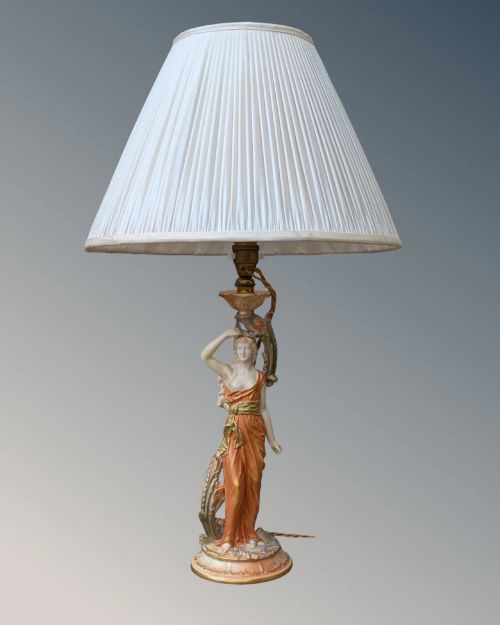


Decorative Figure Lamp
These decorative figure lamp examples combine illumination with sculpted human or mythical forms, offering lighting that doubles as sculpture for your interior scheme.
Decorative Figure Lamp
A decorative figure lamp takes the form of a sculpted person, figure, or mythical entity integrated into a functional lighting fixture. When searching for a decorative figure lamp, you encounter table lamps and oil lamps that lean heavily into figurative sculpture rather than simple columns or urns.
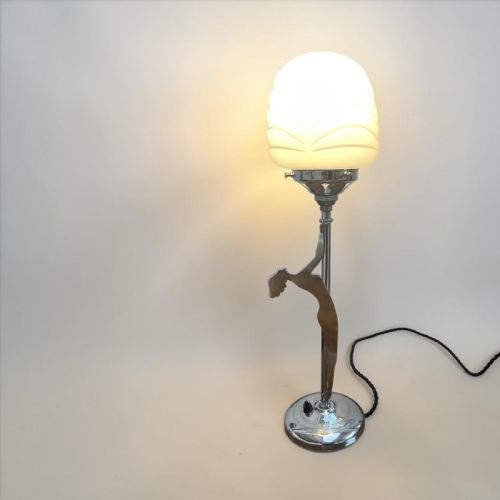
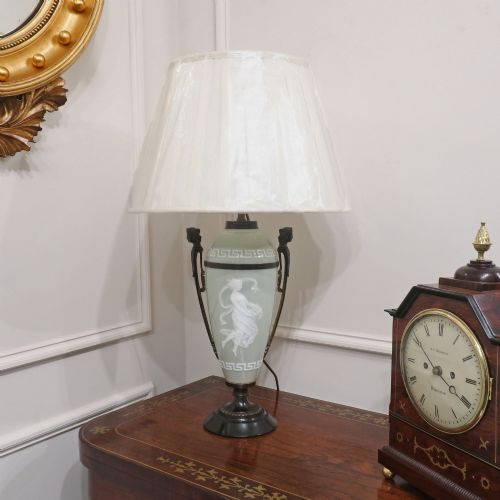
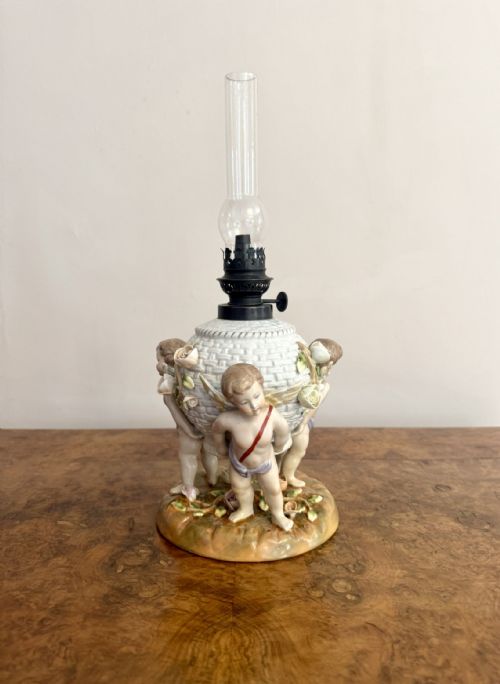
The pieces on this page span the late nineteenth century into the twentieth century, bringing together Victorian, Neoclassical, and Art Deco aesthetics. You meet French Neoclassical style pieces, French Rococo Revival models, and striking Art Deco lady lamp designs from the nineteen-thirties.
Materials range widely across porcelain, bronze, brass, patinated metal, marble, glass, and fabric. Figures emerge in pate sur pate porcelain, cast bronze, and gilded spelter, often paired with elaborate bases and columns.
How they were made
Maker techniques rely on the careful casting of metals such as bronze and spelter, alongside the skilled firing and glazing of porcelain figures. Bronze figures receive patination or gilding, while porcelain incorporates delicate detailing like pate sur pate work.
Constructing these lamps involved combining a sculptural figure with metal mounts, marble plinths, or rock crystal columns. Many pieces integrate traditional oil lamp reservoirs or electrical wiring adaptations suited to table lamps and floor lamps.
Decorative Figure Lamp Retail Price Guide 2026
Typical asking prices for decorative figure lamp among the pieces listed under this phrase on Sellingantiques today, from the lower quarter to the upper quarter. They describe what is for sale here now, not the wider market.
Listings span porcelain, bronze, brass, patinated metal, marble, and glass across Victorian, Neoclassical, and Art Deco styles.
What varies in quality
The distinction between tiers rests upon the crispness of the figure's casting, the fidelity of the sculptural detail, and the integration of materials. Cast bronze and fine porcelain pieces with named artistic authorship stand apart from standard commercial output.
Finishing work defines the upper end of the range, visible in the hand-painted porcelain decoration, the depth of patinated metal surfaces, and the quality of associated marble or rock crystal elements.
Sitzendorf·Royal Worcester·Emile Picault·P.Sega
The Decorative Figure Lamp Glossary
- Pate sur pate
- A porcelain manufacturing technique where liquid clay is applied layer by layer in successive applications to build a low relief design. This builds a cameo-like effect against a contrasting background.
- Spelter
- A zinc alloy commonly used as a substitute for bronze in decorative metalwork. It takes patination and gilding well to simulate heavier metals.
- Patinated metal
- Metal treated with chemicals or heat to produce a coloured surface oxidation. This finish adds depth and protects the underlying material.
- Torch lamp
- A lighting form styled to resemble a flaming torch held aloft by a figurative sculpture. The design draws on classical antiquity and mythological themes.
- Rock crystal
- Clear or coloured quartz cut and polished for decorative components. It provides refractive clarity within the lamp's column or base.
Decorative Figure Lamp: Frequently Asked Questions
What is a figural lamp?
A figural lamp incorporates a sculpted human, animal, or mythical figure into the body of the lighting piece. The sculpture forms the primary visual focus of the object.
These pieces function as both a light source and a sculptural artwork, often placed on side tables or pedestals to draw the eye.
How do I identify Art Deco lamps?
Art Deco pieces from the nineteen-twenties and nineteen-thirties feature streamlined geometries, stylized figurative representations, and modern material pairings. Look for clean lines and distinct modernist portrayals of the human form.
These designs often utilise specific metals and geometric bases that break away from nineteenth-century revival styles.
Are these lamps electrified?
Many examples on this page originated as oil lamps or were later converted for electrical use to suit modern domestic spaces. The transition from oil to electricity often preserves the original sculptural base and reservoir.
Buyers should examine the wiring and fittings to understand how the lamp was adapted over time.
What materials are used for bases?
Bases utilise a combination of marble, metal, and rock crystal to anchor the figural sculpture securely. Heavier materials provide stability for tall porcelain or bronze figures.
Contrasting base materials also enhance the overall decorative presentation of the lamp.