





Decorative Earthenware Bowl
A decorative earthenware bowl brings rich colour and pattern into a room, spanning periods from Victorian folk art to Japanese Satsuma ware.
Decorative Earthenware Bowl
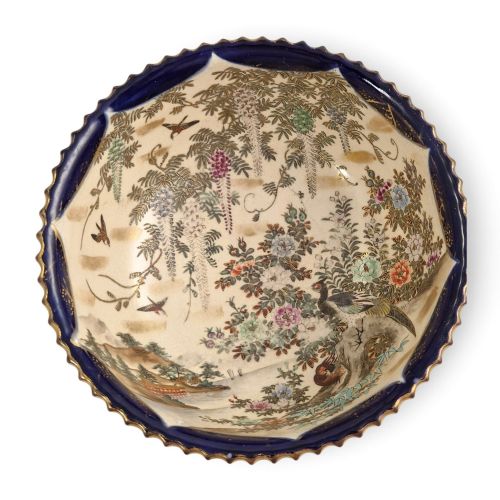
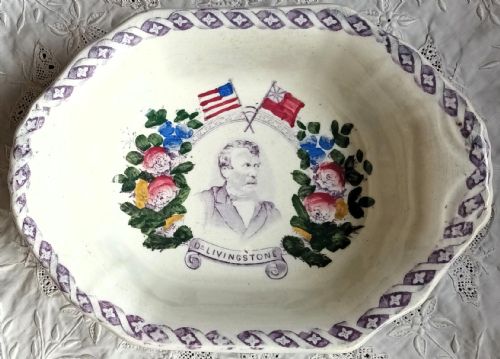
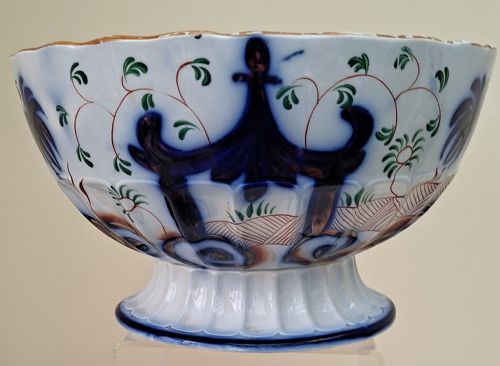
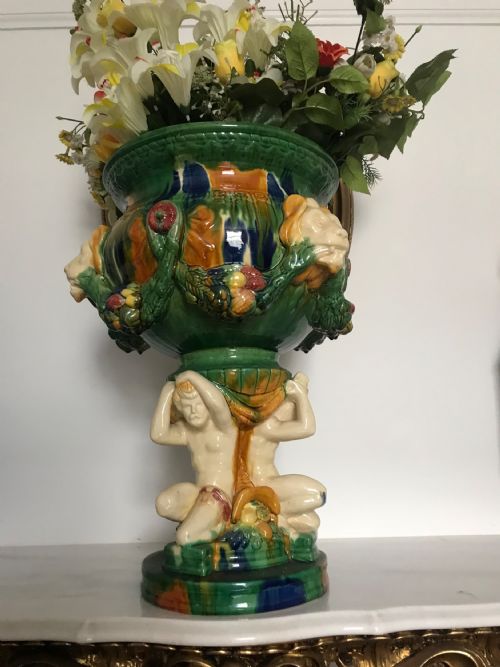
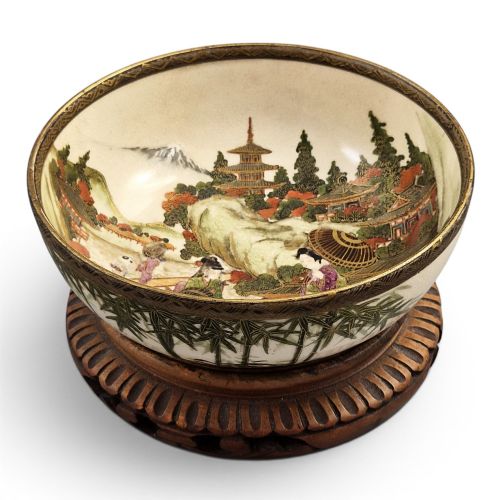
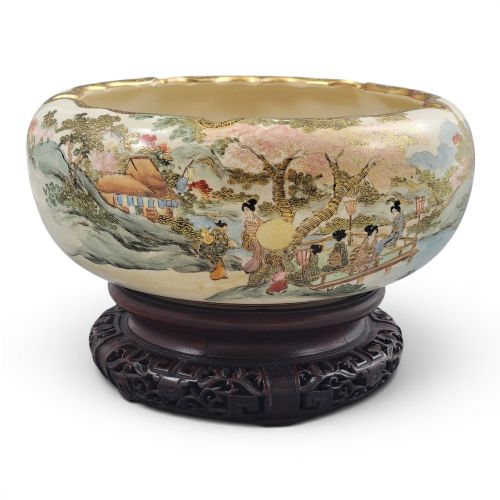
A decorative earthenware bowl encompasses a wide variety of forms found on this page, ranging from footed pottery bowls and dairy bowls to large cachepots, comports, and chargers. Buyers searching for a decorative earthenware bowl encounter pieces originating from diverse traditions, including nineteenth-century British earthenware, Japanese Meiji period Satsuma ware, Majolica, and continental faience.
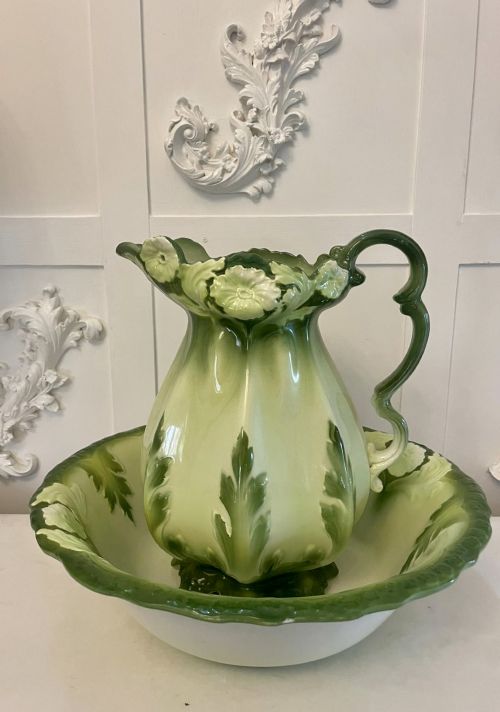
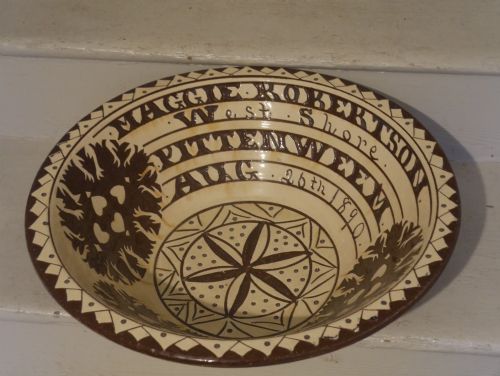
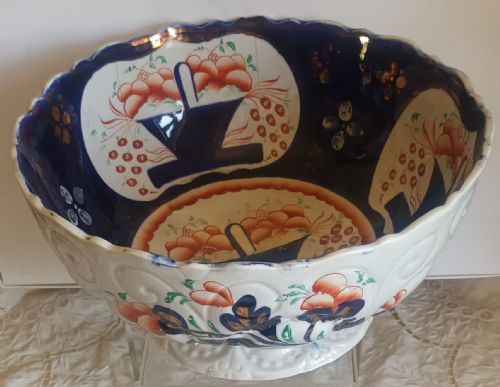
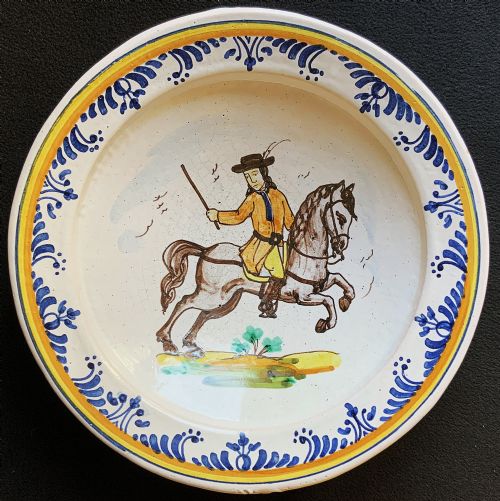
The selection frequently includes nineteenth-century pieces such as Gaudy Welsh patterns, Scottish pottery, and Maling fruit bowls alongside earlier examples like eighteenth-century Spanish Delft faience. Forms range from small inverted rim dishes to large planters on figural bases and complete jug and bowl sets.
Origins span across Britain, Europe, and Japan, reflecting distinct regional potting techniques and artistic movements from the eighteenth century through to the 1930s. The common thread among these varied objects is their primary function as ornamental ceramics rather than utilitarian kitchenware.
How they were made
Potters shaped these bodies from earthenware and ceramic clays, frequently applying glazes, enamel colours, and sometimes gold leaf or copper lustre to achieve rich decorative surfaces. Techniques such as slip painting, hand painting, and transfer printing allowed makers to produce intricate patterns like floral motifs, pagodas, and figurative scenes.
Firing methods varied according to the tradition, from the earthenware kilns producing Staffordshire and Scottish wares to the specialised low-fired earthenware of Japanese Satsuma workshops decorated with elaborate enamel and gilt work. Majolica pieces utilised specialised lead glazes over moulded earthenware to create vibrant, relief-modelled botanical and figural designs.
Decorative Earthenware Bowl Retail Price Guide 2026
Typical asking prices for decorative earthenware bowl among the pieces listed under this phrase on Sellingantiques today, from the lower quarter to the upper quarter. They describe what is for sale here now, not the wider market.
Listings feature eighteenth-century Spanish Delft faience alongside nineteenth-century British earthenware and Japanese Meiji period Satsuma pieces.
What varies in quality
Quality in these pieces rests upon the crispness of the modelling, the precision of the hand painting, and the depth of the glaze palette. Superior examples display finely detailed brushwork, well-defined relief ornamentation, and clear signatures from recognised makers or studios rather than mass-produced uniformity.
The preservation of delicate surface decoration, such as gold leaf and enamel work on Satsuma or Majolica pieces, marks the difference between standard items and exceptional survivals. Integrity of the ceramic body and the original richness of the polychrome palette also dictate the standing of a piece within its particular style.
Mann And Co·Maling·Moorcroft·Seaton Pottery·Charlotte Rhead Bursley Ware
The Decorative Earthenware Bowl Glossary
- Earthenware
- Porous pottery fired at lower temperatures than stoneware or porcelain, requiring a glaze to render it waterproof. It forms the structural base for the majority of decorative bowls and chargers on this page.
- Majolica
- Pottery covered with an opaque tin-lead glaze and painted with metallic oxide colours, producing bright, glossy surfaces. Victorian examples often feature naturalistic botanical or figural relief moulding.
- Satsuma
- Japanese earthenware pottery originating from Satsuma Province, traditionally characterised by an ivory crackle-glaze decorated with fine polychrome enamel and gold leaf. These pieces frequently bear artist signatures or clan crests.
- Faience
- Tins-glazed earthenware produced in France, Spain, and other parts of Europe. This technique provides a smooth white background suitable for detailed hand-painted polychrome decoration.
- Comport
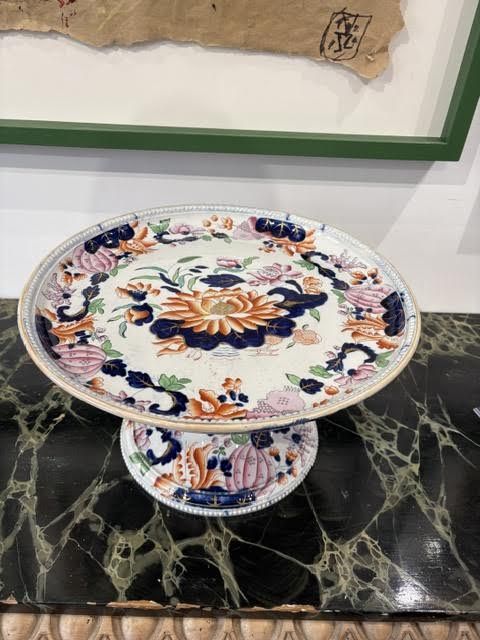
- A raised dish or bowl traditionally used for serving fruit or sweetmeats at the table. In ceramic form, these often feature pedestal feet or figural stands.
- Spongeware
- Pottery decorated by applying pigment with a sponge or fabric stamp to create mottled patterns. This technique was widely utilised in nineteenth-century British potteries.
Decorative Earthenware Bowl: Frequently Asked Questions
How do I care for my bowl?
Caring for a decorative earthenware ceramic involves keeping it away from direct sunlight and moisture to protect historic glazes and enamels. Dusting gently with a dry, soft cloth is sufficient for routine maintenance.
Avoid submerging older pieces in water, particularly those with delicate gold leaf or overglaze enamel decoration, as porous earthenware bodies and historic surfaces can absorb moisture and degrade.
How do I identify Satsuma ware?
Satsuma ware is identified by its distinctive fine crackle-glaze over a cream-coloured earthenware body. The surfaces are typically decorated with dense Japanese motifs rendered in polychrome enamels and raised gold leaf.
Many finer examples feature artist signatures, studio names, or family crests painted on the underside, pointing to specific Meiji period workshops.
What distinguishes Majolica bowls?
Majolica bowls are distinguished by their colourful, opaque lead glazes applied over moulded earthenware reliefs. Common motifs include botanical themes such as begonia leaves, alongside figural elements and animal decorations.
These pieces possess a heavy, substantial feel and a brilliant, glossy finish characteristic of Victorian and continental ceramic production.