



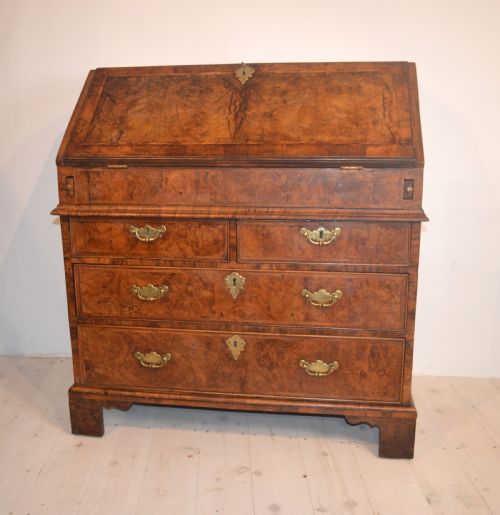


Decorative Drawer Cabinet
These decorative drawer cabinet pieces offer compact storage with striking surface details, combining utility with distinct period charm.
Decorative Drawer Cabinet
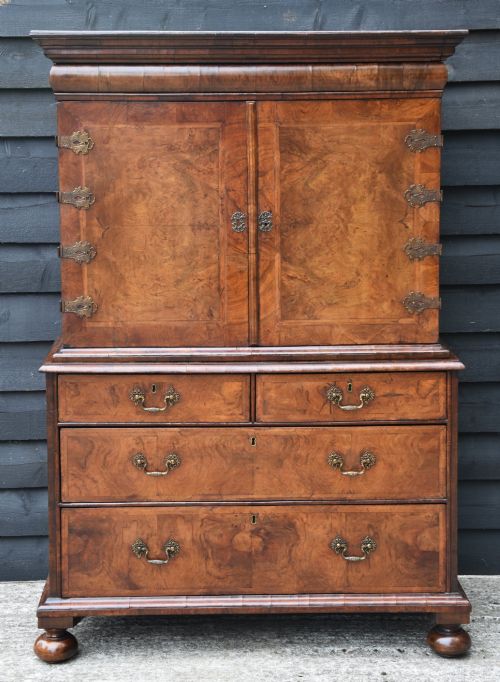
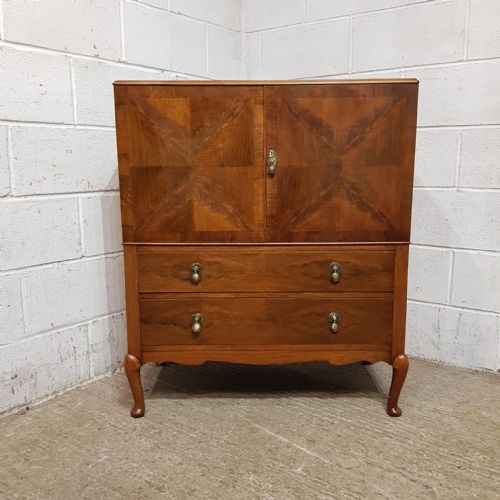
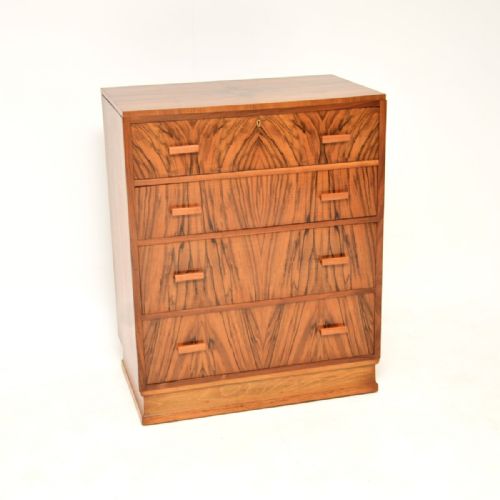
A decorative drawer cabinet brings together small-scale storage forms like tallboys, chests of drawers, and table cabinets across multiple periods. Buyers seeking a decorative drawer cabinet will encounter diverse historical iterations ranging from seventeenth-century walnut to twentieth-century lacquer finishes.
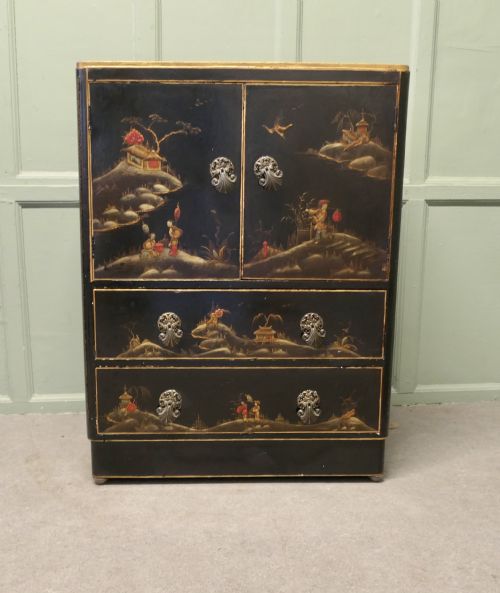
The selection on this page spans seventeenth-century walnut pieces, nineteenth-century mahogany and painted examples, and early twentieth-century Japanned and Chinoiserie variants. These items serve varied storage functions while acting as focal points within a room due to their ornamented surfaces.
Materials and construction methods
Construction relies heavily on timbers such as walnut, oak, mahogany, and rosewood, often enhanced by burr walnut veneers or flame mahogany grains. Metal fittings in brass provide functional contrast to the wooden carcases.
Surface decoration distinguishes many pieces through black lacquer, paintwork, Japanning, and inlay techniques. These finishes demand precise application by artisans working within traditions like Chinoiserie or Art Deco styling.
Decorative Drawer Cabinet Retail Price Guide 2026
Typical asking prices for decorative drawer cabinet among the pieces listed under this phrase on Sellingantiques today, from the lower quarter to the upper quarter. They describe what is for sale here now, not the wider market.
Listings feature woods including oak, mahogany, walnut, and rosewood, alongside decorative finishes like lacquer, paint, and marble.
Assessing quality and craftsmanship
Quality reveals itself in the handling of materials, from the selection of figured burr walnut veneers to the execution of painted Chinoiserie scenes and Japanned surfaces. Superior examples display crisp detail in inlay work and hardware.
The integration of decorative elements with structural joinery marks the difference between standard items and exceptional pieces. Period authenticity in finishes, such as aged lacquer or original brasses, further defines the upper tier.
The Decorative Drawer Cabinet Glossary
- Tallboy
- A tall chest of drawers, typically consisting of one chest stacked upon another, providing vertical storage. This form maximises capacity while occupying a compact floor footprint.
- Chinoiserie
- European decorative style inspired by Chinese artistic traditions, characterised by motifs such as figures, landscapes, and pavilions. It often appears rendered in lacquer on wooden furniture.
- Commode
- A low chest of drawers or cabinet originating in France, often featuring decorative veneers or painted surfaces. These pieces function as both storage units and display surfaces.
- Chest on chest
- A piece of furniture comprising two cabinet sections, one stacked directly on top of another, creating a tall storage unit with numerous drawers. This form was favoured for housing textiles and valuables.
Decorative Drawer Cabinet: Frequently Asked Questions
Where should I place a decorative drawer cabinet?
These compact storage pieces suit hallways, bedrooms, or living spaces where surface detail enhances the room. Their varied scales allow them to function as bedside units or statement tables.
Position them away from direct heat sources and strong sunlight to protect sensitive wood veneers and lacquer finishes over time.
How do I care for lacquer surfaces?
Dust surfaces gently using a soft, dry cloth without chemical polishes or abrasive materials. Maintaining stable room humidity prevents the lacquer from cracking.
Avoid placing damp items directly onto painted or japanned panels to preserve the integrity of the historical decoration.
What periods do these cabinets represent?
The available pieces span multiple centuries, including seventeenth-century walnut items, nineteenth-century painted examples, and early twentieth-century Art Deco and Chinoiserie designs. Each era brings distinct construction methods and aesthetic priorities.
Stylistic revivals like Queen Anne and Louis XVI also appear, reinterpreting earlier forms through later craftsmanship.
How do I identify different wood veneers?
Burr walnut displays swirling, organic grain patterns created by growths on the tree, while flame mahogany exhibits a flickering, fire-like grain alignment. Rosewood offers rich, dark tones with pronounced figuring.
Observing the depth and natural variation of the grain helps distinguish genuine historic veneers from later reproductions.