






Decorative Dog Sculpture
These decorative dog sculpture pieces bring character and history into a room through carved wood, bronze, and ceramic forms.
Decorative Dog Sculpture
A decorative dog sculpture represents canine forms across various historical periods, ranging from Victorian table figures to early twentieth-century bronze terriers and pugs. Buyers seeking a decorative dog sculpture will encounter an international mix of styles, including Chinese Foo dogs, Italian majolica, and French cast iron examples.
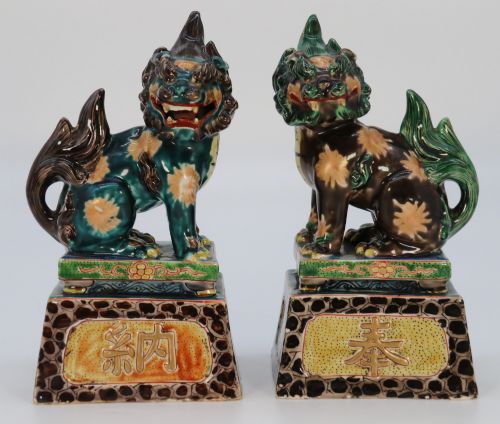
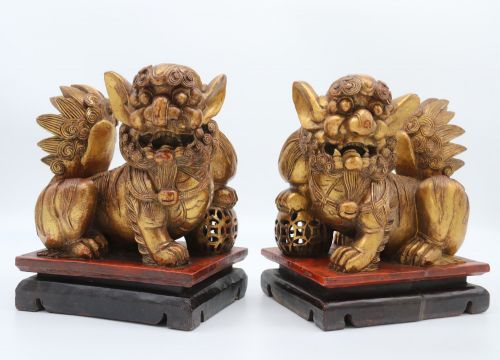
The objects take many forms, from pairs of Buddhist lions in pottery and carved wood to Art Deco leaping figures and life-size ceramic pugs. These pieces function primarily as ornamental objects, reflecting the domestic and cultural tastes of their respective eras.
How they were made
Materials span traditional media such as bronze, carved wood, ceramic, porcelain, earthenware, and plaster, often enhanced with gilt, lacquer, or hand-painted finishes. Metal pieces utilise casting techniques, whilst wooden examples show detailed hand-carving.
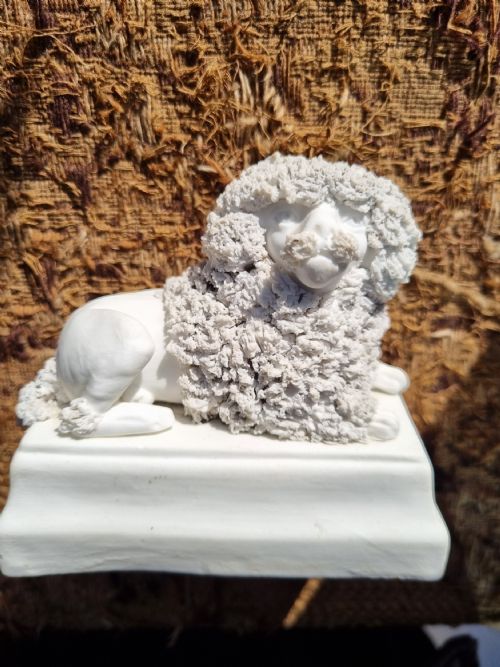
Ceramic figures employ methods like majolica glazing, bisque firing, and parian body formulation to achieve distinct surface textures and appearances.
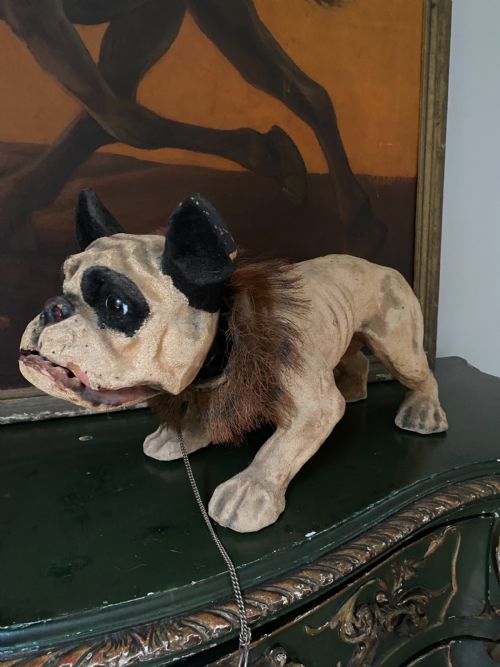
papier mache french bulldog stands ready to guard the desktop.
What varies in quality
Quality rests in the crispness of the modelling and the sensitivity of the carving, distinguishing mass-produced items from pieces executed by skilled hands. The preservation of original surface finishes, whether wood lacquer, bronze patina, or ceramic glaze, dictates the integrity of the object.
Edith Parsons·Alexandre Kelety·Royal Dux
The Decorative Dog Sculpture Glossary
- Animalier
- A nineteenth-century artistic movement focusing on the realistic depiction of animals. Sculptors in this tradition studied animal anatomy closely.
- Foo Dog
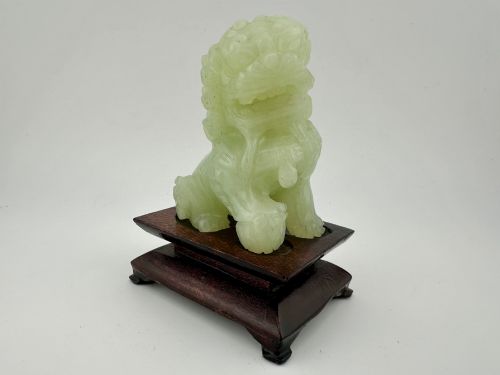
- A traditional Chinese guardian lion, often rendered in pairs as pottery, wood, or bronze sculpture. These guardian figures traditionally protected sacred spaces.
- Majolica
- A type of earthenware decorated with opaque coloured glazes over a white ground. This technique creates vibrant surfaces on figural pottery.
- Parian
- A fine-grained, unglazed porcelain resembling white marble, developed during the nineteenth century. It gained popularity for portrait busts and sculptural figures.
Decorative Dog Sculpture: Frequently Asked Questions
What is a Foo dog sculpture?
A Foo dog is actually a representation of a Chinese guardian lion, traditionally placed outside temples or palaces for protection. In decorative sculpture, they frequently appear as pairs carved from wood, cast in iron, or modelled in pottery.
These pieces reflect diverse periods, including eighteenth-century carvings and twentieth-century interpretations, showing how Eastern motifs influenced Western and Asian decorative arts.
How do I identify an Animalier bronze dog?
Animalier bronzes focus on dynamic, anatomically accurate representations of animals, often produced during the nineteenth and early twentieth centuries. Artists paid close attention to muscle tension and movement, as seen in terrier or hunting dog figures.
Examining the casting quality, the depth of the patina, and the signature of the sculptor helps confirm the origin of the bronze.
Where should I place a large dog statue?
Large ceramic or life-size plaster and earthenware dog figures suit freestanding placement in hallways, studies, or living spaces where their scale can be appreciated. Pairs of guardian lions or pugs often work well flanking a fireplace or entrance.
Ensuring stable flooring protects heavier ceramic and cast iron pieces from accidental knocks.
What distinguishes Victorian ceramic dogs?
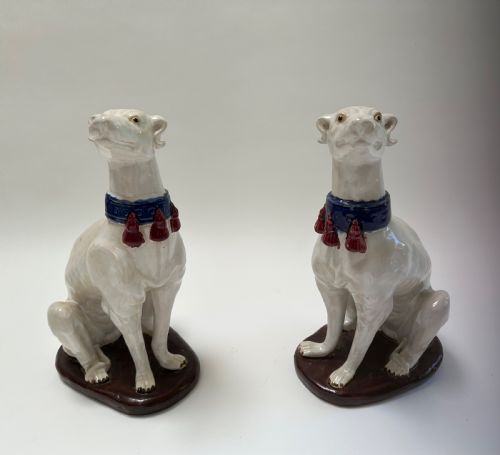
Victorian ceramic dog figures often utilise parian ware, bisque pottery, or majolica glazes to achieve distinct tactile finishes. These pieces range from white neoclassical figures to brightly coloured decorative pugs and poodles.
Detailing in the fur texture and the application of the glaze help identify the manufacturing period and the ceramic body used.