




Decorative Desk Accents
These decorative desk accents are lighting and seating pieces designed to transform a workspace with distinct period character.
Decorative Desk Accents
When searching for decorative desk accents, buyers encounter a diverse mix of lighting and seating pieces originating from the nineteenth and early twentieth centuries. These items span Victorian, Edwardian, and Art Deco periods, bringing historic craftsmanship directly into a functional room.
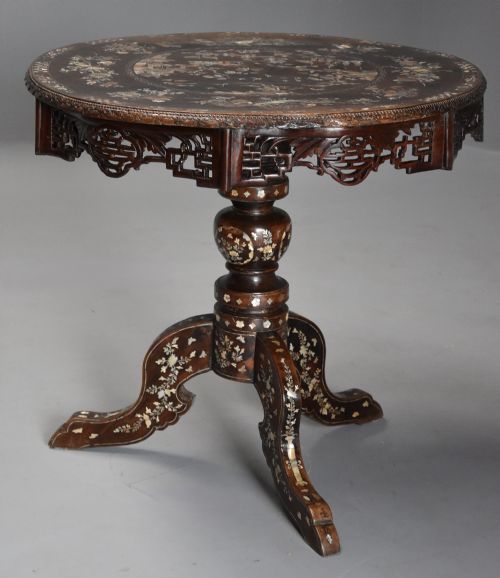
The selection reflects global influences, including Japanese bronze work, Vietnamese hardwood with mother-of-pearl inlay, and French ormolu alongside British regional furniture. Each piece serves as both a practical object and a striking visual feature.
Materials and construction methods
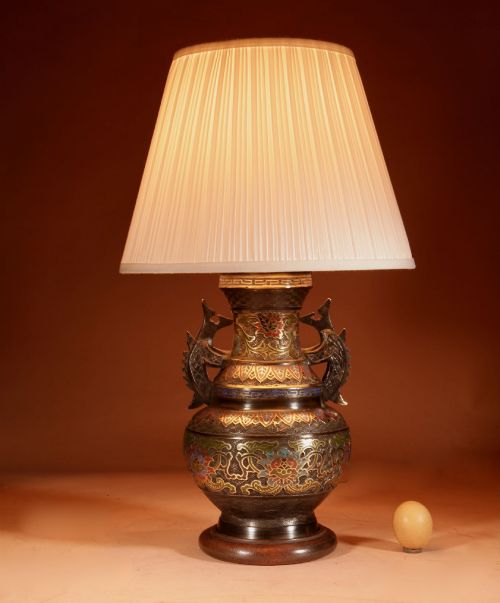
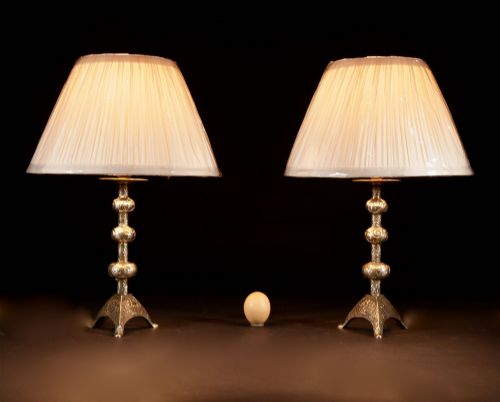
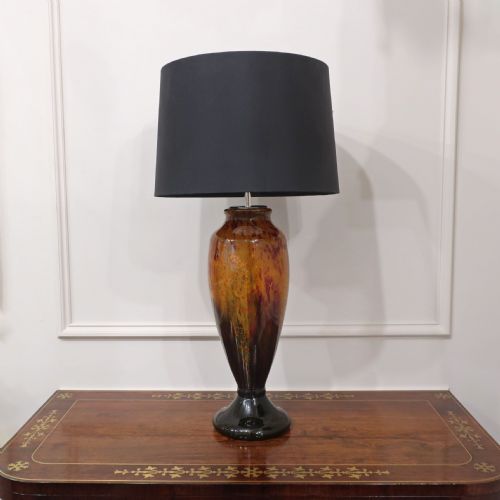
Metalwork forms a cornerstone of the lighting pieces, utilising cast brass, gilt bronze, and champlevé techniques to create durable and ornate lamp bodies. Glass elements incorporate hand-painted decoration, cut crystal, and mottled art glass reminiscent of early twentieth-century French studios.
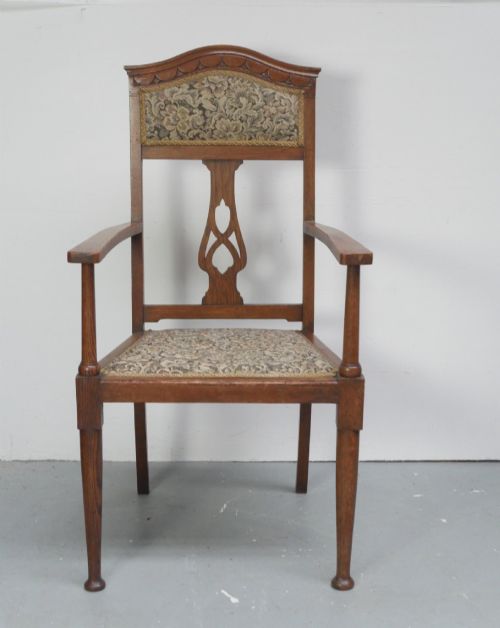
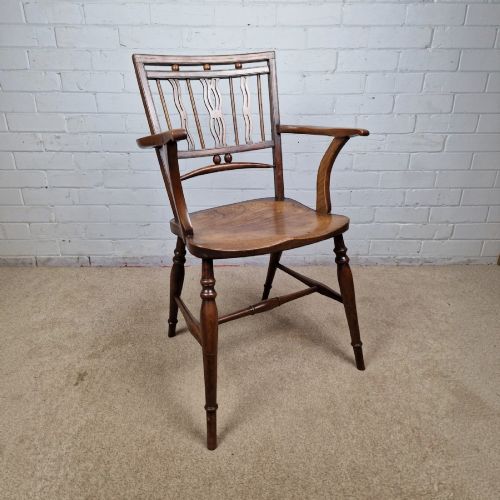
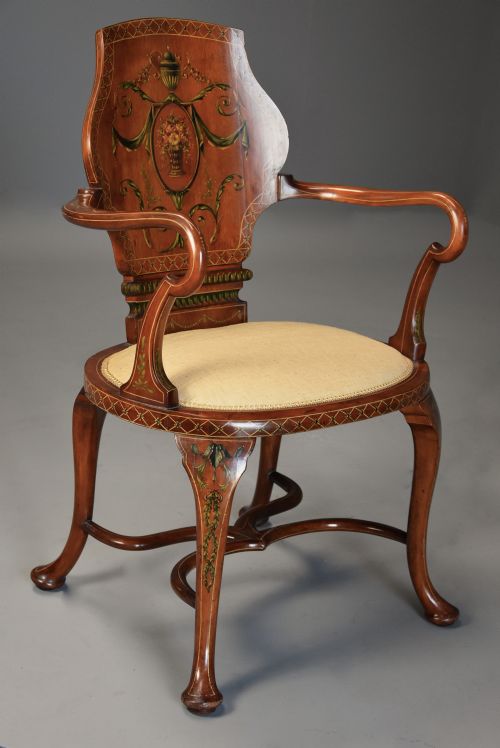
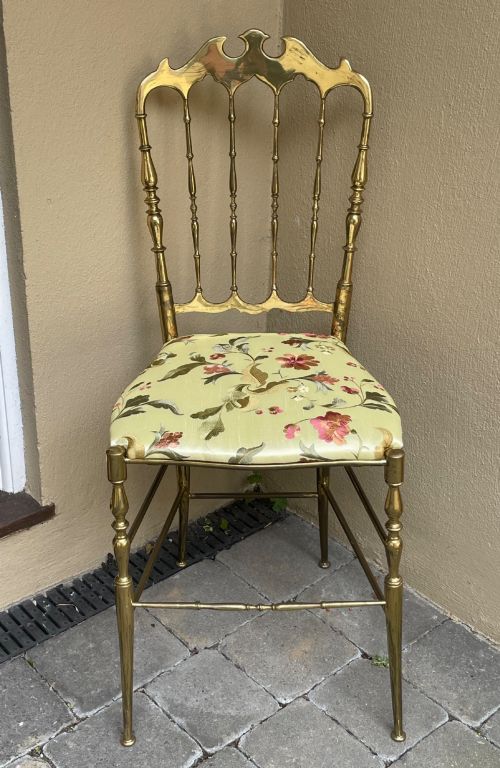
Timber furniture relies on traditional joinery applied to hardwoods like mahogany, walnut, and oak, often enhanced with satinwood paintwork or intricate mother-of-pearl inlay. Fabric and upholstery complete the seating pieces, maintaining period textile choices where present.
Decorative Desk Accents Retail Price Guide 2026
Typical asking prices for decorative desk accents among the pieces listed under this phrase on Sellingantiques today, from the lower quarter to the upper quarter. They describe what is for sale here now, not the wider market.
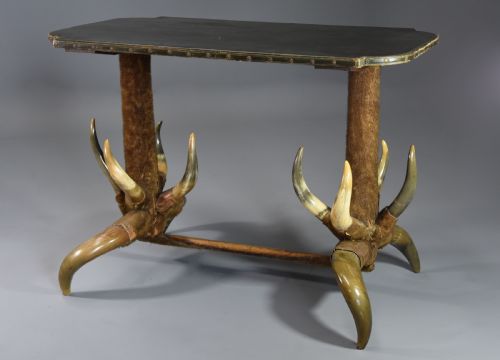
A German cow horn table from the late nineteenth century sits proudly among the refined mahogany and porcelain.
Judging quality in period items
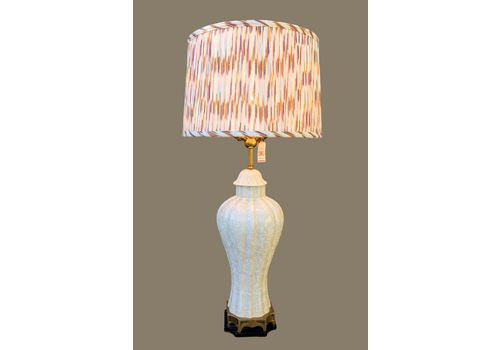
Quality reveals itself in the crispness of metal casting on bronze and brass lamps, as well as the depth and preservation of hand-painted porcelain or glass details. Superior items exhibit deliberate proportion and refined finishing rather than mass-produced uniformity.
In wooden seating, the integrity of the timber, the precision of inlay work, and the subtlety of carved details distinguish finer regional and revival pieces from standard workshop output.
Charles Schneider
The Decorative Desk Accents Glossary
- Champlevé
- An enamelwork technique where recesses are carved into a metal surface and filled with vitreous enamel before firing. This method creates colourful, patterned designs on decorative metal objects and lamp bases.
- Ormolu
- Gilt bronze ornamentation applied to furniture and decorative objects during the eighteenth and nineteenth centuries. The process involves creating a finely chased bronze base and coating it with a mercury-gold amalgam.
- Satinwood
- A durable, yellowish timber prized for its smooth, reflective grain and suitability for fine inlay and painted furniture. It frequently appears in Edwardian and late nineteenth-century decorative pieces.
- Gothic Revival
- An architectural and decorative style that draws inspiration from medieval Gothic forms, including pointed arches and elaborate tracery. This aesthetic is common in nineteenth-century metalwork and lighting.
Decorative Desk Accents: Frequently Asked Questions
How do I style these lamps?
Position period table lamps on wooden surfaces or side tables to introduce warm ambient lighting and contrasting metallic textures.
Pair bronze or porcelain designs with classic study interiors to let the historic craftsmanship stand out against modern workspaces.
Where should I place these chairs?
Use occasional armchairs and side chairs as standalone feature seating in studies, bedrooms, or reading corners.
Ensure the timber tones complement existing furniture while allowing the inlaid details or painted finishes to remain visible.
How do I date these items?
Examine the material construction, joinery methods, and stylistic cues such as Edwardian satinwood painting or Victorian walnut carving.
Compare the specific decorative motifs, like Gothic arches or Art Deco glass techniques, against known manufacturing periods.
What maintenance do these pieces need?
Clean wooden surfaces gently with appropriate polishes and dust metal components carefully to preserve original patination.
Inspect older electrical fittings on lamps with a professional electrician before connecting them to a power source.