
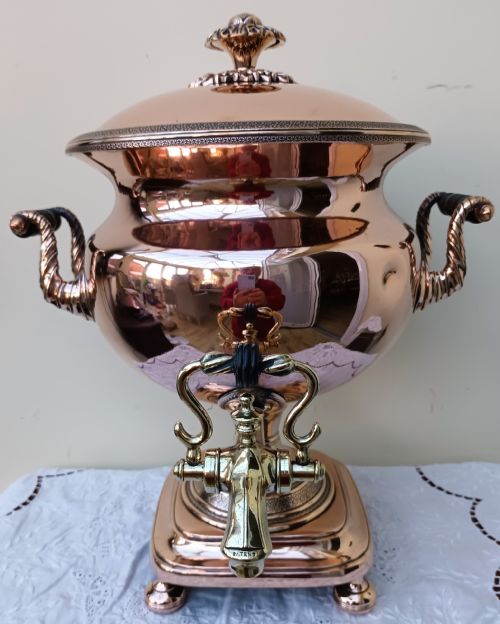


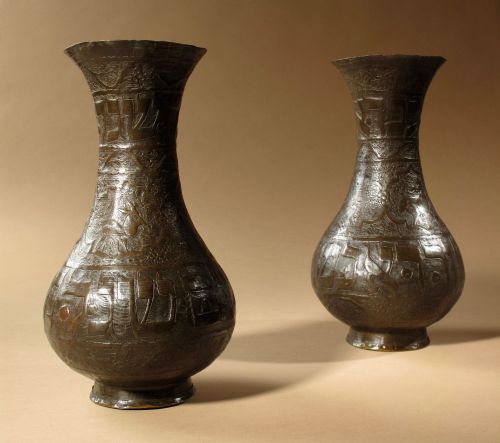
Decorative Copper Urn
These decorative copper urn pieces bring warmth and weight to a room, offering functional vessels and striking displays from past centuries.
Decorative Copper Urn
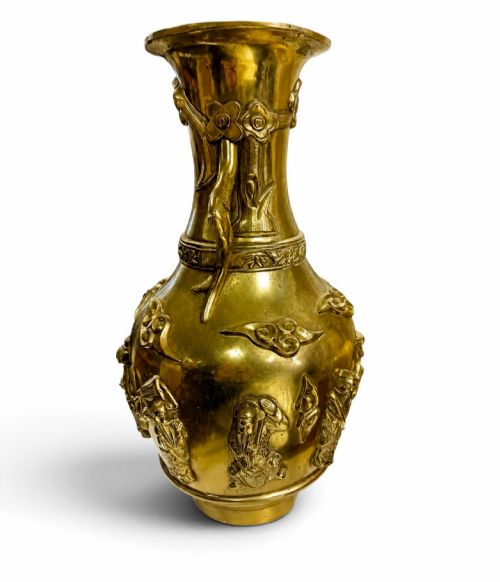
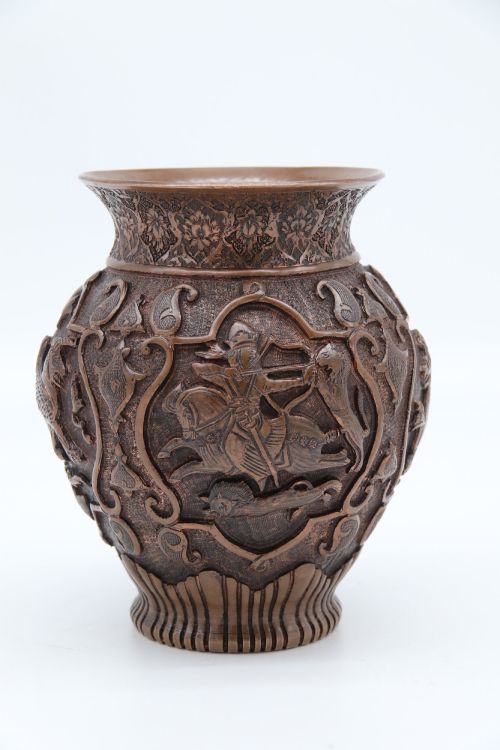
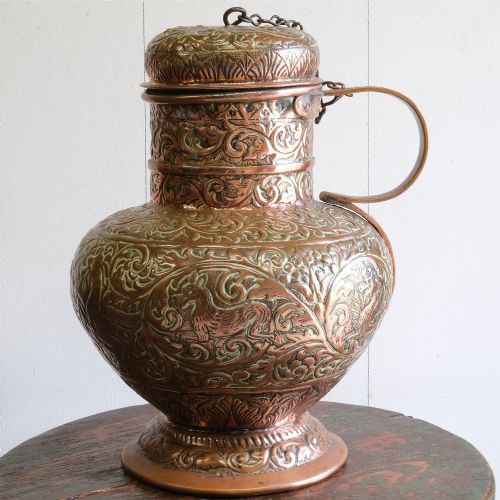
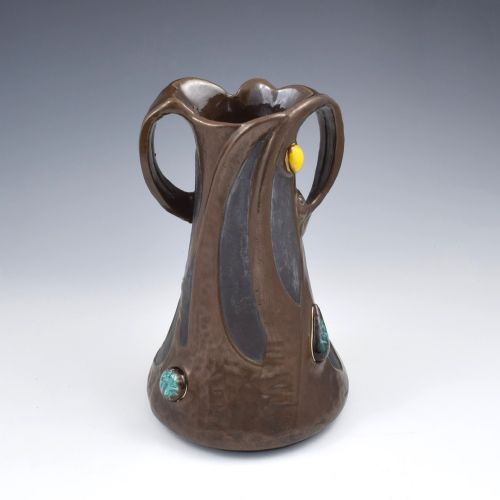
A decorative copper urn serves as a striking focal point in a room, combining sculptural form with the warm, metallic tones of the metal. When you search for decorative copper urn options, you encounter a diverse range of objects spanning multiple continents, centuries, and design movements.
The selections available here lean heavily into nineteenth-century production, featuring Victorian English samovars, French floral-chased vessels, and Arts and Crafts jardinieres. Alongside these European works appear distinct international examples, including Japanese cloisonne pieces, Chinese baluster vases, and Indian repoussé containers.
Forms vary considerably from traditional tea urns and water barrels to hanging kettles, planters, and large palace vases. Buyers seeking these items will find both utilitarian vessels adapted for display and objects created purely for ornamentation.
Materials and construction methods
Copper forms the primary body of these pieces, frequently paired with brass for handles, taps, bases, and decorative mounts. Artisans also integrated materials such as enamel, glazed ceramic, earthenware, and wood to add contrast and structural support.
Manufacturing techniques relied heavily on skilled metalworking traditions, including repoussé work, high-relief casting, chasing, and embossing. Cloisonne enamel pieces incorporate delicate wirework to partition the coloured enamels across the metal surface.
One unusual piece includes a copper hanging kettle bearing the hallmarks of the Arts and Crafts movement.
Distinctions in quality and execution
Quality reveals itself in the crispness and depth of the metalwork, particularly in the precision of chased floral motifs and repoussé detailing. Superior examples show careful hand-finishing by the artisan rather than mechanical uniformity.
The integration of mixed metals and applied elements, such as brass mounts or jewelled cabochons, distinguishes finer pieces. Heavier gauge metal and balanced proportions also indicate superior craftsmanship across different periods and styles.
The Decorative Copper Urn Glossary
- Repoussé
- A metalworking technique where an artisan hammers metal from the reverse side to form a raised design in relief on the front. This method creates tactile, highly decorative surface patterns.
- Samovar
- A heated metal container traditionally used to boil water for tea, often featuring an internal vertical tube and a spigot. Many antique examples incorporate brass taps and handles.
- Cloisonne
- An ancient technique for decorating metal object surfaces, using wire compartments soldered to the base and filled with enamel paste. Firing produces a smooth, colourful glazed finish.
- Jardiniere
- An ornamental pot or stand designed to hold growing plants or flowers. These items appear in copper and brass across Victorian and Arts and Crafts designs.
- Baluster
- An architectural term describing a vase-shaped column or vessel profile with a rounded lower body tapering to a narrower neck. This silhouette appears frequently in nineteenth-century decorative metalwork.
Decorative Copper Urn: Frequently Asked Questions
What is a decorative copper urn used for?
These vessels served various functions historically, from boiling water for tea in domestic samovars to holding plants as jardinieres or simply displaying intricate metalwork as decorative art.
Today, buyers primarily utilise them as standalone decorative objects, mantel centrepieces, or sculptural elements within traditional and eclectic interiors.
How do I care for antique copper?
Antique copper benefits from gentle dusting with a soft cloth to protect the metal and any existing patination accumulated over the decades.
Avoid harsh chemical cleaning agents or abrasive polishes that strip away historical character and damage delicate surfaces like enamel or applied cabochons.
How do I date a copper urn?
Dating relies on examining manufacturing techniques, stylistic markers such as Art Nouveau curves or Victorian proportions, and any maker's marks or stamps present on the base.
Comparing the construction methods of handles, seams, and mounting hardware against known historical periods helps narrow down the decade of creation.
Are these pieces waterproof?
While many items like samovars and water barrels held liquid originally, soldered seams and historical repairs can compromise their water-tight integrity over time.
Using a modern inner liner is recommended if you intend to use a jardiniere or vase for live plants and fresh flower arrangements.